Words: Skin & Ink Editorial Staff
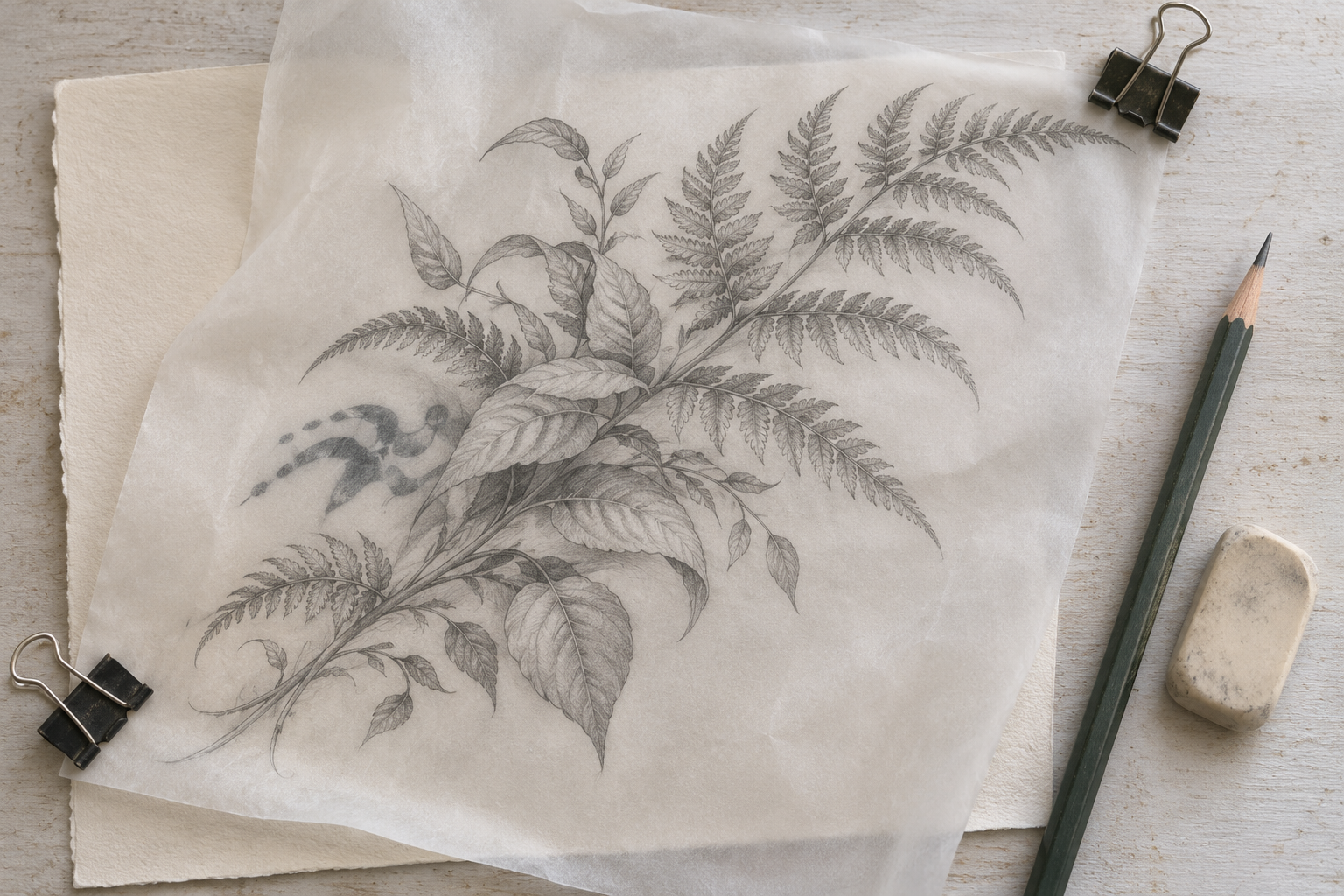
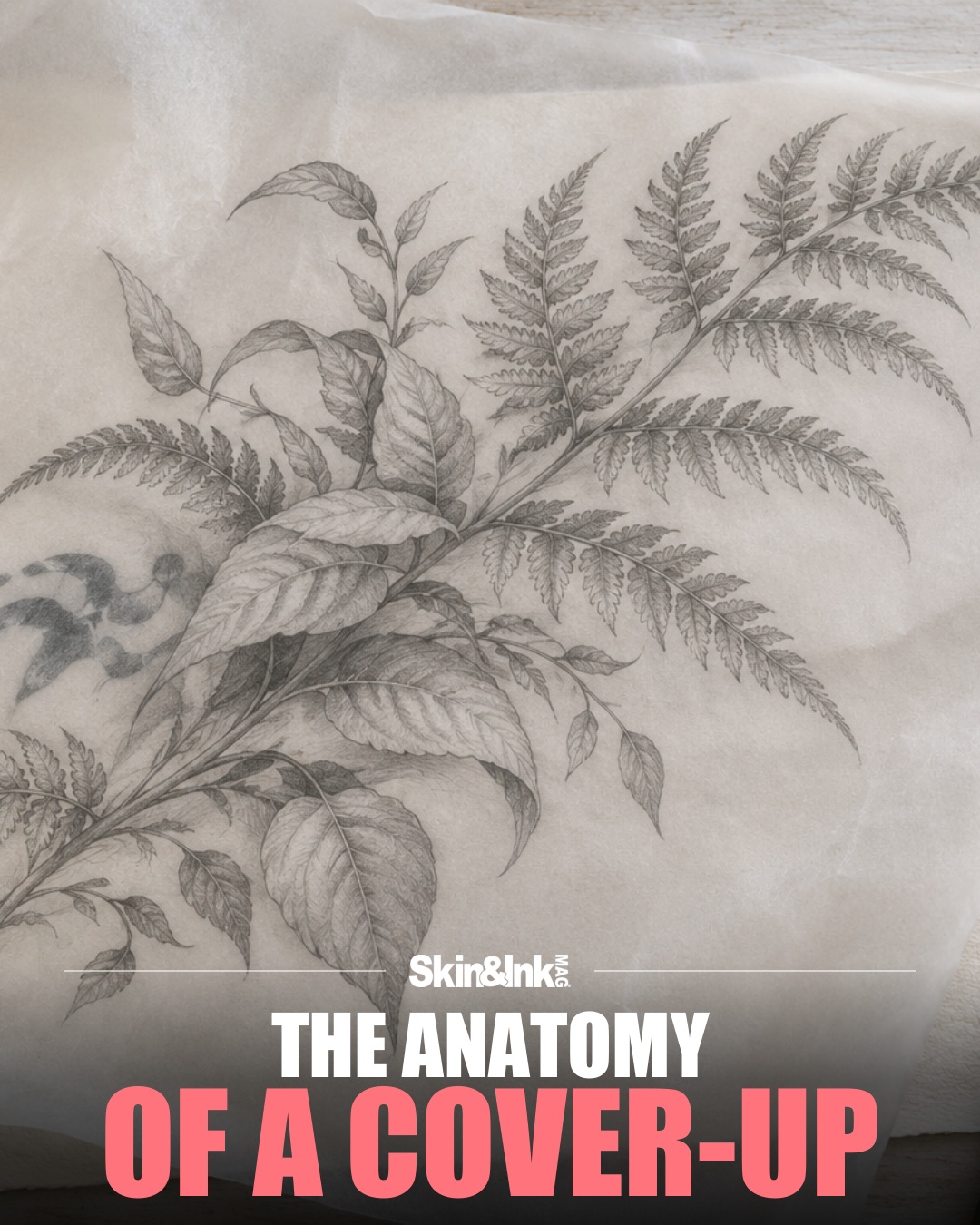
A cover-up begins with an image that is already there. Its position, shape, color, and relationship to the surrounding skin become part of the design brief. That makes the consultation different from starting on an empty area: the artist must consider the existing tattoo while helping the client imagine something they actually want to wear next.
The original work does not need a shameful story. It may be beautifully made and no longer fit. It may have been altered before. The collector may want to expand it rather than erase every trace. A good consultation starts with the desired outcome instead of demanding an explanation for the past.
Define what needs to change
Ask yourself which part bothers you. Is it the subject, the placement, the execution, or the way it sits among other tattoos? Would a rework satisfy the concern, or do you want a substantially different composition? Those answers can prevent a technically impressive solution from solving the wrong problem.
Bring clear photographs if the initial discussion is remote, but expect the artist to need an adequate assessment before committing to a plan. Be honest about previous work and any treatments. If the skin has a medical concern, that belongs with an appropriate healthcare professional rather than an artistic guess.
Let the new design have its own purpose
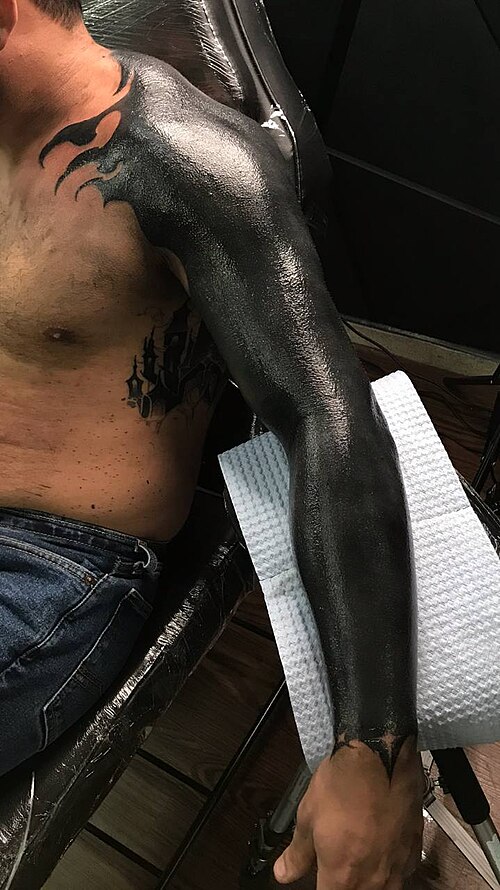
The replacement should be more than camouflage. A subject chosen only because it conceals something can become another compromise. Discuss what imagery you like, what you dislike, and which parts of the proposed arrangement are essential to the cover-up.
Be prepared to consider changes in scale or composition, while asking the artist to explain them. There is no universal formula that makes every old tattoo disappear beneath the same new design. An experienced artist should describe limitations honestly and avoid promising an outcome that the available evidence cannot support.
Compare the options before committing
A rework, a larger cover-up, and a consultation about removal or lightening are different paths. None should be presented as automatic. The FDA cautions that tattoo removal can require multiple treatments and may not achieve complete removal without scarring. A qualified clinician can discuss medical options and their risks for a particular person.
Do not assume that an artist’s design estimate includes another provider’s treatment, or that two separate timelines will fit together without discussion. Clarify who is responsible for each stage and what must be evaluated before the next decision is made.
Ask to see the after, later
Fresh cover-up photographs can make an exciting reveal. Healed examples offer a more useful basis for judging the artist’s approach. Look for work comparable to the challenge you are discussing and ask what happened between the before and after images.
The client should retain a meaningful choice throughout. If the only proposed solution is an image they dislike, more consultation is preferable to surrendering the decision merely because the old tattoo is frustrating.
A successful cover-up gives the next tattoo a reason to exist. It can acknowledge the practical constraints of the earlier image without allowing them to consume the whole design. The aim is to arrive at something the wearer chooses positively, rather than something accepted only because it makes a previous decision less visible.
Sources