Words: Skin & Ink Editorial Staff
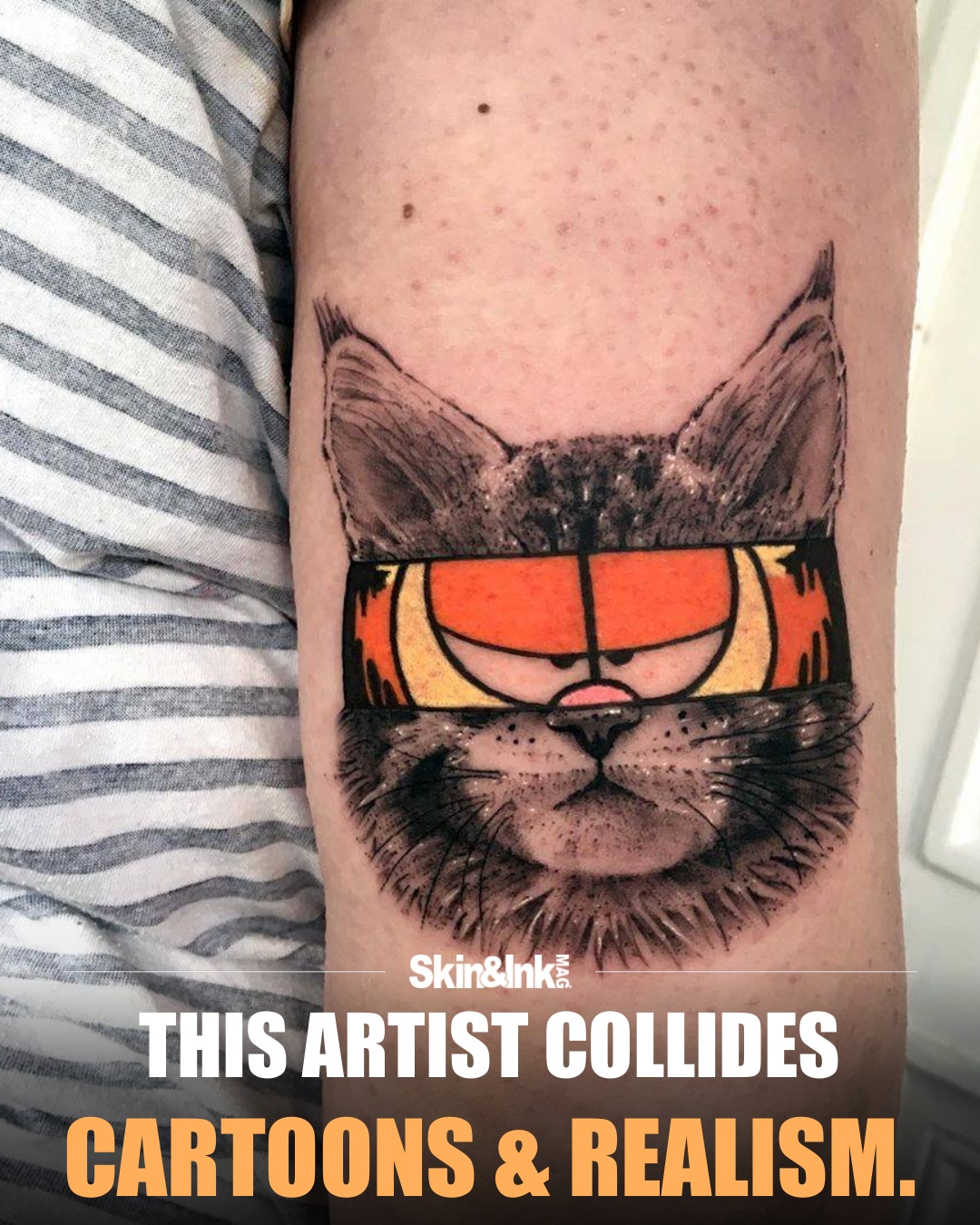
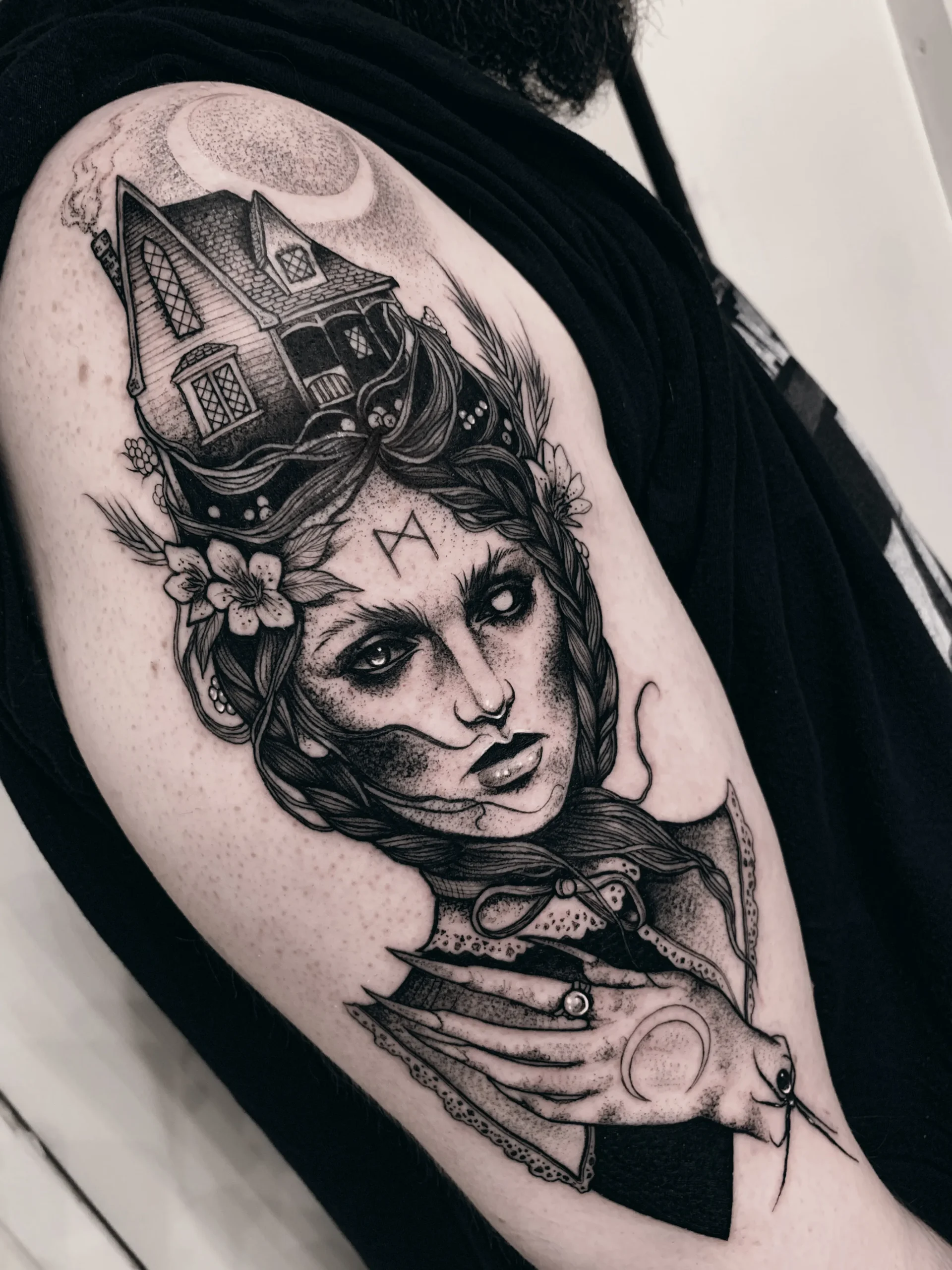
A strong photograph can make a tattoo easy to appreciate. It can also make it difficult to know exactly what is being judged. Lighting, pose, framing, and editing shape the image presented to an audience. When a competition evaluates photographs rather than seeing the work in person, those choices become part of the evidence whether the rules acknowledge them or not.
That does not make photographic competitions illegitimate. It means the competition needs to be clear about its subject and method. Judging a tattoo, judging its documentation, and judging a promotional image are related activities with different standards. Trouble starts when one is presented as another without explanation.
Define the evidence before choosing the winner
A well-designed entry process can specify the views required, the condition of the work, and permitted image adjustments. If the aim is to evaluate a tattoo, request enough context to understand scale, placement, and the overall composition. A single close-up may show detail while concealing how the piece sits on the body.
Fresh and healed work should also be identified accurately. The categories need not be identical, but entrants and viewers should know what they are comparing. A dated description provides more useful information than relying on the appearance of the skin in a highly controlled photograph.
Let presentation help without letting it impersonate execution
Photographers deserve credit for making work readable. Clear light, a suitable background, and careful framing can remove distractions. The ethical line becomes more important when editing changes the apparent tattoo itself or hides relevant features. Rules should explain that line in terms entrants can follow and judges can apply.
An artist entering a competition should keep the original files and understand the requirements before submitting. If the rules are vague, ask the organizer. Do not assume that an editing practice is acceptable merely because it is common in a social feed. A portfolio and a judged submission may operate under different expectations.
Make judging accountable to the category
Judges benefit from criteria that separate composition, execution, placement, and documentation where relevant. A striking subject can dominate an initial impression, while quieter work may reward closer examination. A consistent process helps prevent that first impression from becoming the entire decision.
Live judging has its own limitations: time, viewing conditions, fatigue, and the need to compare different kinds of work. Seeing a tattoo in person does not magically remove subjectivity. The stronger response is transparency about the process, rather than pretending that any format produces a purely objective ranking of art.
For viewers, an award is evidence of a particular result under particular conditions. It can be worth celebrating without becoming proof that every other artist is inferior. Ask what was entered, what was judged, and what the category rewarded.
Tattoo photography and tattooing both deserve serious attention. A competition becomes more credible when it admits their relationship and explains how it handles it. The winning image should help us see the work, not leave us guessing which part of the achievement the trophy actually recognizes.