Words: Skin & Ink Editorial Staff
A museum devoted to tattooing faces an unusual problem: much of the art continues to move through the world on people who have their own lives. A photograph can preserve a view of a tattoo, but it cannot fully preserve its scale, movement, appointment history, or changing relationship with the wearer. An archive needs more than an attractive wall of pictures.
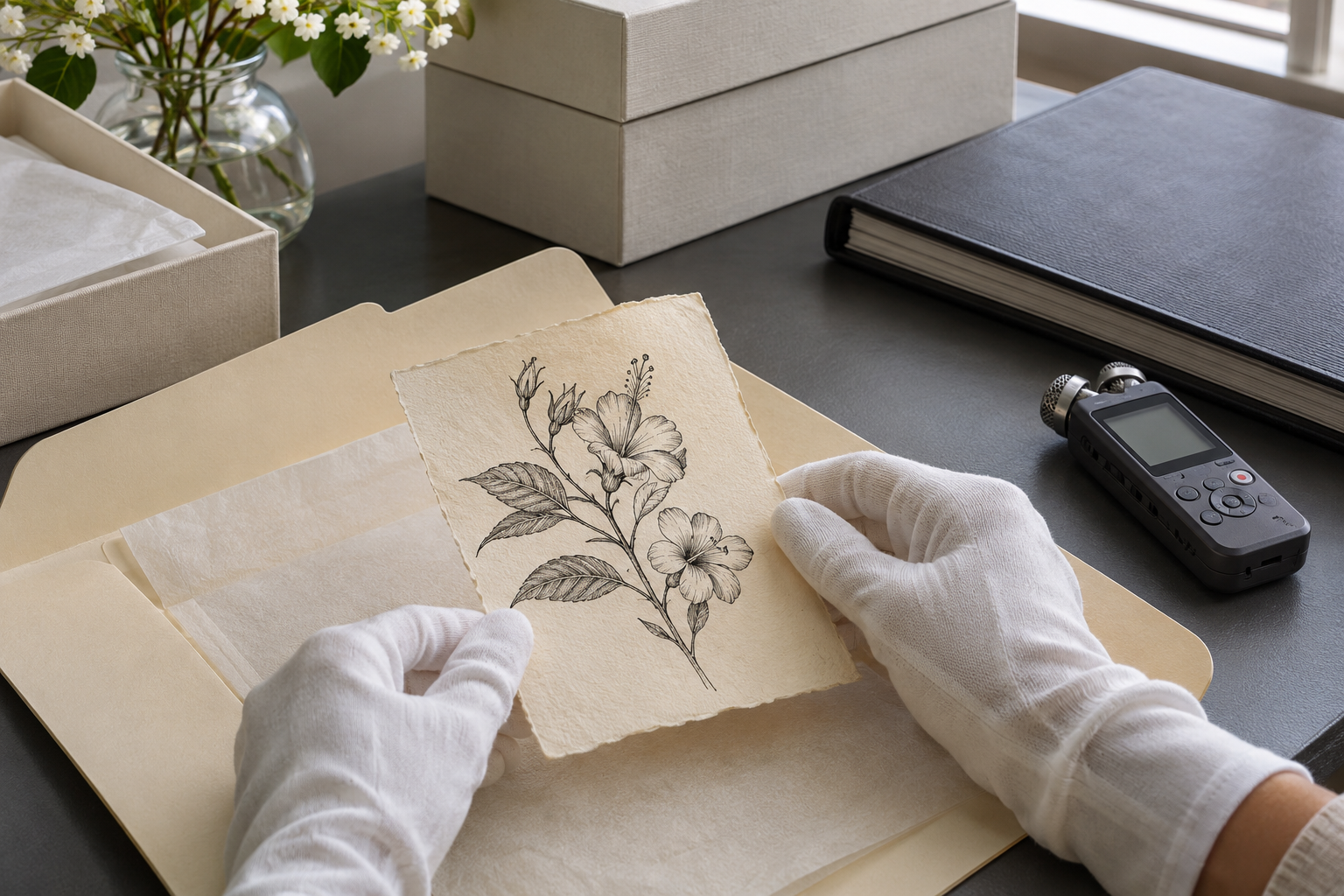
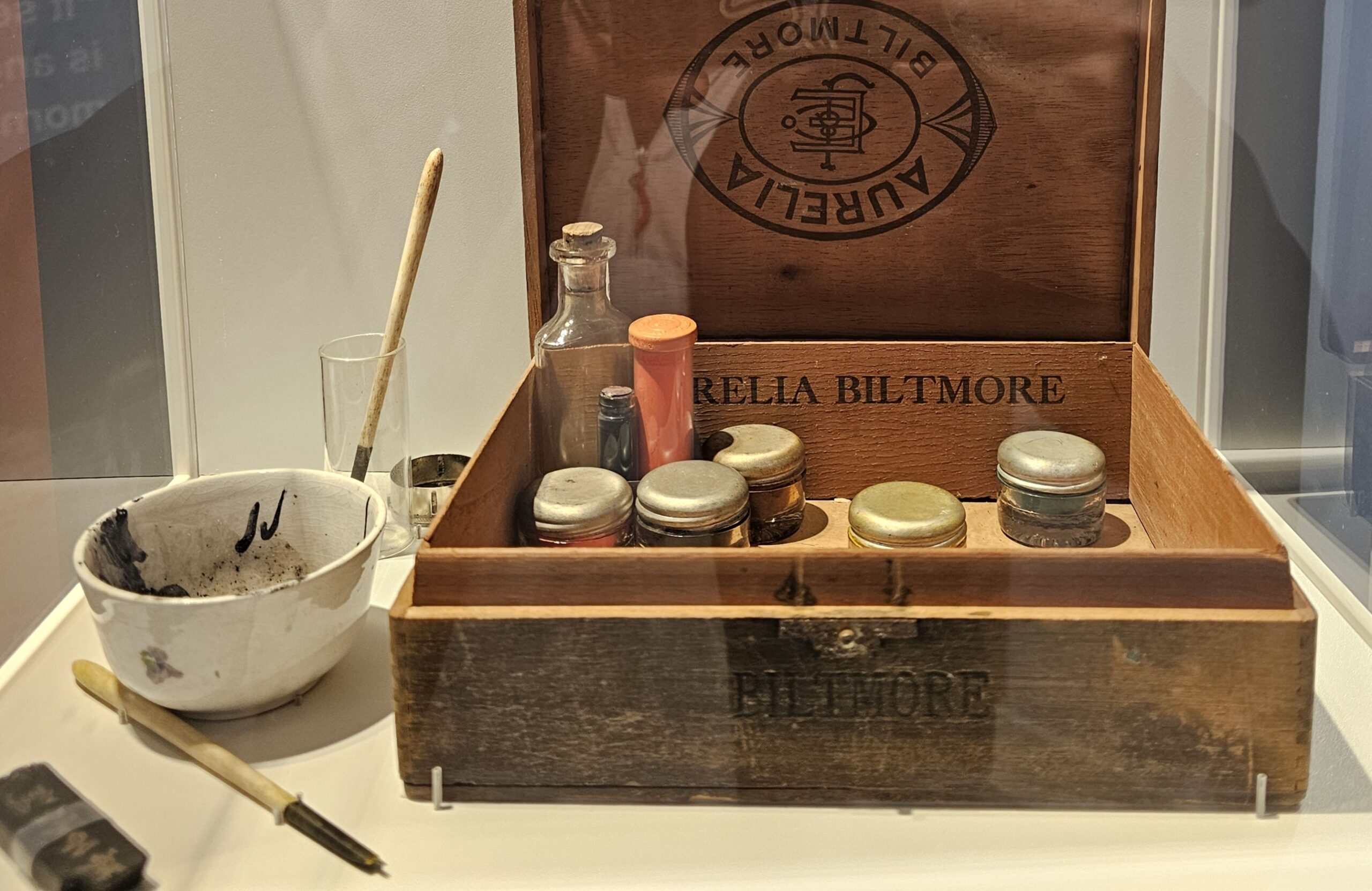
Start by asking what should be remembered. The drawing matters, but so do the artist’s working process, the client’s choices, the studio, and the materials surrounding the appointment. Flash sheets, correspondence, photographs, and recorded accounts can reveal different parts of the practice. None should be expected to stand for the entire medium on its own.
Preserve the information around the object
A photograph becomes more useful when it travels with a date, the artist’s name, the photographer’s name, and an explanation of what it shows. Identify whether the tattoo is fresh, healed, or unfinished. Record the relevant permissions and any limits on future use. The absence of that information can turn a compelling image into an archival puzzle.
Museums already preserve tattoo-related material. The Smithsonian American Art Museum’s tattoo-flash record demonstrates both the value of keeping an object and the honesty of identifying its maker as unknown. A future archive should retain uncertainty rather than filling every blank with a confident guess.
Let wearers remain participants
The person carrying the tattoo has a perspective that the artist’s sketch cannot provide. Ask how the work was chosen, how it has been lived with, and what the wearer wants included in the record. Do not assume a tattoo’s visible subject supplies its personal meaning. Two similar images can belong to very different experiences.
Consent should address more than the first publication. Explain how recordings and photographs may be stored, accessed, exhibited, or reused. Someone comfortable with a local exhibition may have different feelings about unrestricted online access. An archive should make those choices understandable and keep the agreed conditions attached to the material.
Design for future questions
Preserve original files alongside useful access copies, and keep an organized record of formats and locations. Avoid depending entirely on one social-media account as the repository. Platforms can change, links can fail, and captions can become separated from images. A thoughtful archive anticipates those ordinary losses rather than waiting for them to happen.
Collect beyond the most famous artists. Routine appointment records, regional scenes, collaborative work, and collectors outside the usual spotlight can answer questions that a celebrity-centered history never thinks to ask. Selection still requires judgment, but that judgment should be visible rather than disguised as a complete account.
The future tattoo museum need not promise to defeat time. It can do something more achievable: preserve trustworthy evidence of an art made between people. Keep the image, keep its context, and keep the person’s choices intact. That is how the record remains alive without pretending the archive owns the life.
Sources
Smithsonian American Art Museum: Tattoo Flash, unidentified maker