Words: Skin & Ink Editorial Staff
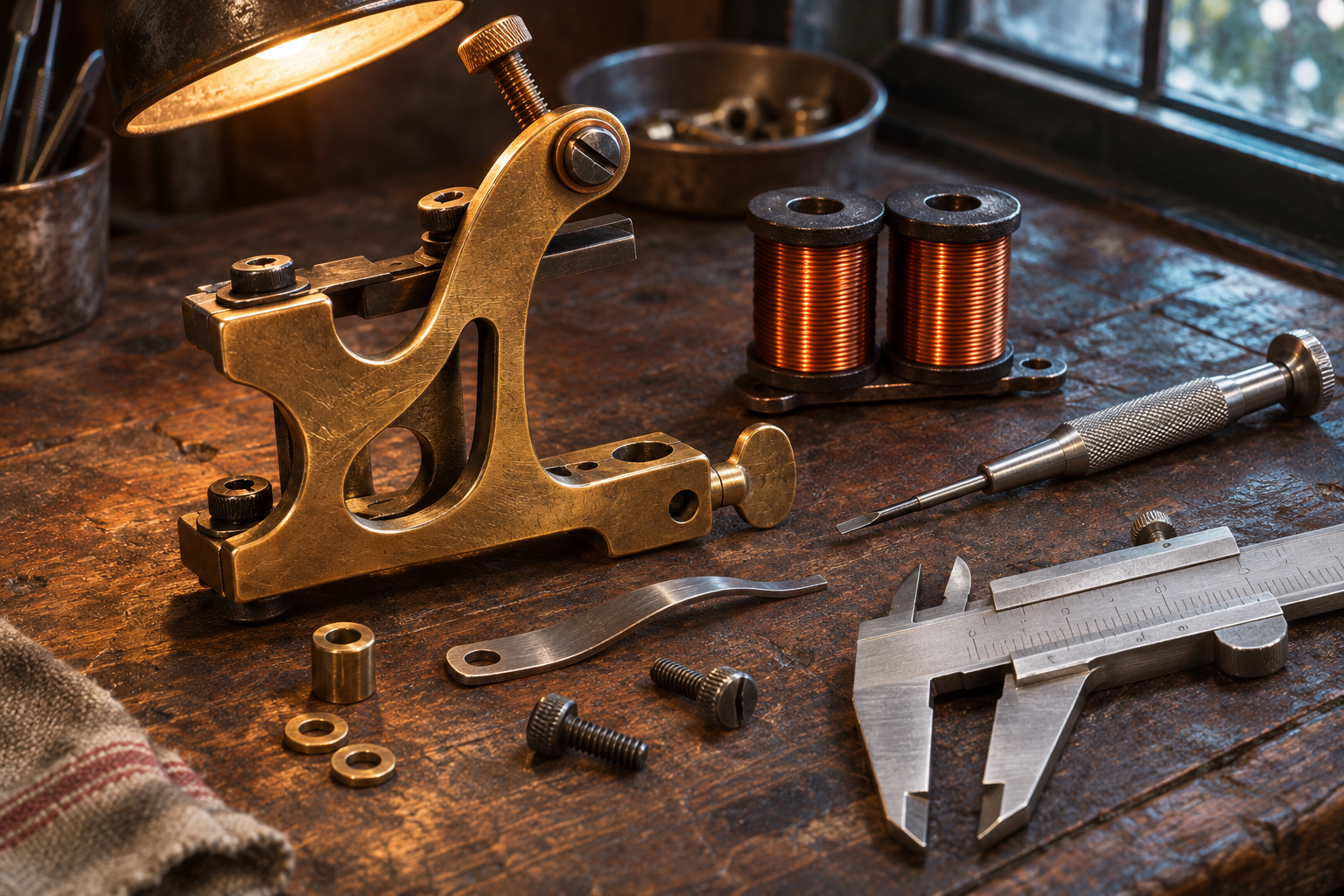
A tattoo machine often appears in a photograph as a small object beside a much larger artistic result. Its maker may receive no mention at all. Yet the tool connects an artist’s decisions to the physical work of tattooing. Paying attention to it means looking beyond its finish, its advertised features, or the name printed on its housing.
The history includes a useful landmark: Samuel O’Reilly received his tattoo-machine patent in 1891, as recorded in US Patent 464801. A patent date provides evidence of a particular invention. It does not tell the whole story of the people who adapted, maintained, repaired, and worked with equipment afterward.
Ask what a tool is designed to do
An artist evaluating a machine should be able to explain what problem it solves in their own work. Weight, balance, configuration, and controls may matter differently to different users. The strongest purchasing conversation starts with the job and the artist’s experience rather than with a claim that one tool will improve every tattoo.
Specifications become useful when they can be understood and checked. A manufacturer should explain compatibility, maintenance, operating limits, and the intended use of adjustable features. Attractive terminology is less helpful than a clear manual. This is especially important when a buyer is comparing tools with unfamiliar controls or replacing equipment they have used for years.
Service is part of the object
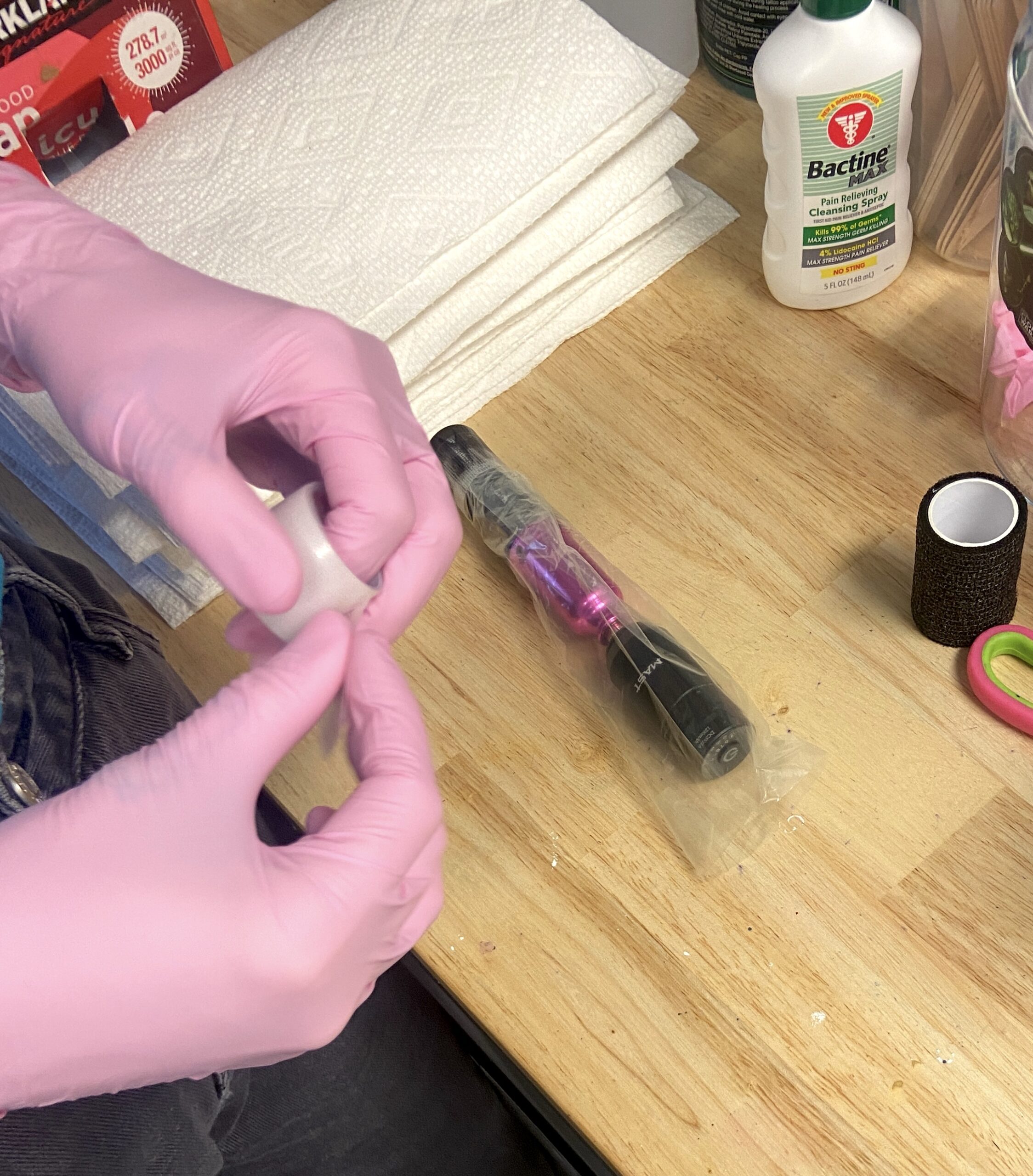
A machine’s practical value extends beyond the first unboxing. Can it be serviced? Are replacement parts available? What does the warranty cover, and where must the tool go for repair? A working artist needs to understand downtime as well as purchase price.
These questions also give independent builders a fairer way to explain their work. A carefully finished object may carry hours of labor that a product photograph cannot reveal. Documentation, testing, and support deserve consideration alongside appearance. Buyers should still ask for evidence rather than assuming that handmade automatically means better.
Preserve the knowledge around the equipment
An old machine with a known maker and a clear ownership record can tell a richer story than an unidentified object described only as vintage. Keep receipts, instructions, correspondence, and photographs together where possible. If a tool has been modified, record that change instead of silently treating its present configuration as original.
Interviews with builders should ask about decisions, not just reputations. Which requests shaped a design? What did they stop making? How did they learn to recognize a problem? Answers become more useful when tied to documented examples and attributed to the person who supplied them.
Give credit without making a sales pitch
A magazine can identify the equipment in a feature without claiming it caused the artist’s skill. Disclose relevant sponsorships and distinguish the artist’s preference from an independent test. Readers deserve to know whether they are looking at reporting, a personal recommendation, or an advertisement.
The machine belongs in tattoo history because people designed and worked with it, not because a shiny object explains the art on its own. Looking closely at the tool can reveal another layer of craft: the care that lets an artist concentrate on the person, the drawing, and the difficult decisions still left to the hand.
Sources