Words: Skin & Ink Editorial Staff
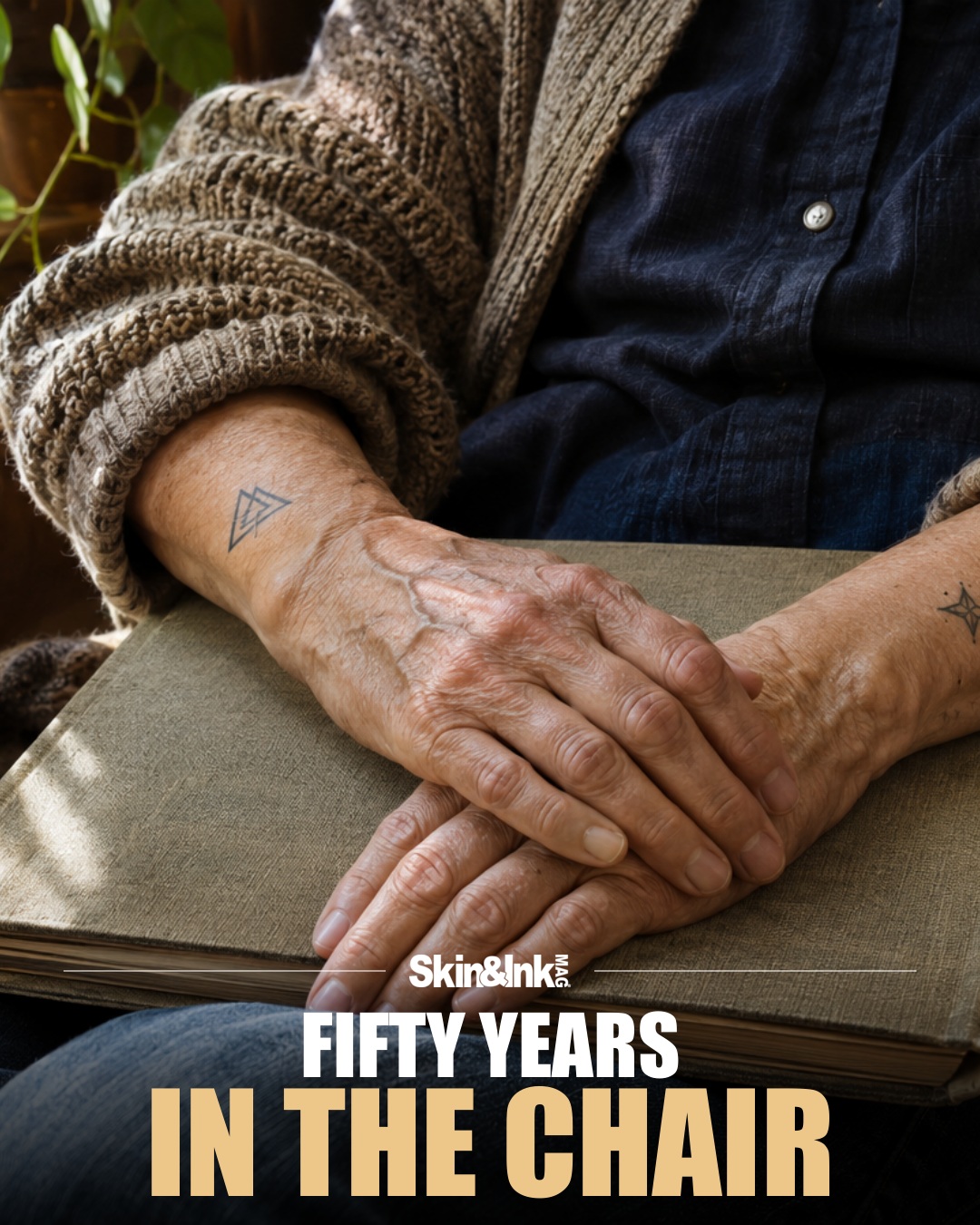
A longtime collector’s tattoos can open a conversation, but the images alone cannot tell the whole story. They do not explain how the wearer found an artist, what an appointment cost them in travel or effort, or why a piece stayed important while other tastes changed. Those details have to be asked for, listened to, and preserved with care.
This is a guide to recording that history, not a substitute for an interview. A person with decades of experience should not be turned into a convenient voice for an era they cannot possibly represent in full. Their account is valuable because it is specific: a particular life, a particular route through shops, and a particular relationship with the work.
Begin with the person, not the spectacle
Ask what they want to discuss and what they prefer to keep private. Explain whether the conversation is for family, a publication, or an archive. The Oral History Association’s best practices emphasize informed consent and clear expectations about use. Make those expectations understandable before recording starts.
Let the collector establish a timeline in their own terms. A first tattoo, a move, an artist’s retirement, or a change in personal circumstances may be a better starting point than a rigid decade-by-decade questionnaire. Follow up on details without treating every uncertain date as a failure of memory.
Ask about ordinary decisions
The dramatic tattoo story is not the only story worth keeping. Ask how appointments were arranged, how artists were chosen, how unfinished work was managed, and what photographs or paperwork survived. A recollection about a waiting room or a long drive can describe the experience more clearly than another broad statement about how everything used to be different.
Invite the collector to distinguish what they witnessed from what they were told. A remembered story can be meaningful without being independently verified. In a published account, identify that difference. Names, dates, and claims about other people should be checked against available records rather than silently upgraded from recollection to fact.
Preserve the context with the images
With permission, photograph the tattoos and associated objects: appointment cards, sketches, letters, or old photographs. Record who made each image and what reproduction permission exists. A scan detached from its owner, date, and story can become another attractive but poorly documented object in an archive.
Give the participant a chance to clarify factual points and discuss any sensitive material before release, according to the arrangement you made. This should be a respectful process, not a surprise publication followed by a request for forgiveness. Store the recording and transcript securely with the agreed access conditions.
The point of a collector’s history is not to prove that one period was purer than another. It is to preserve a human account that would otherwise be flattened into a photograph. Fifty years of wearing tattoos deserves more than admiration from a distance. It deserves questions patient enough to hear the answers.
Sources