Words: Skin & Ink Editorial Staff
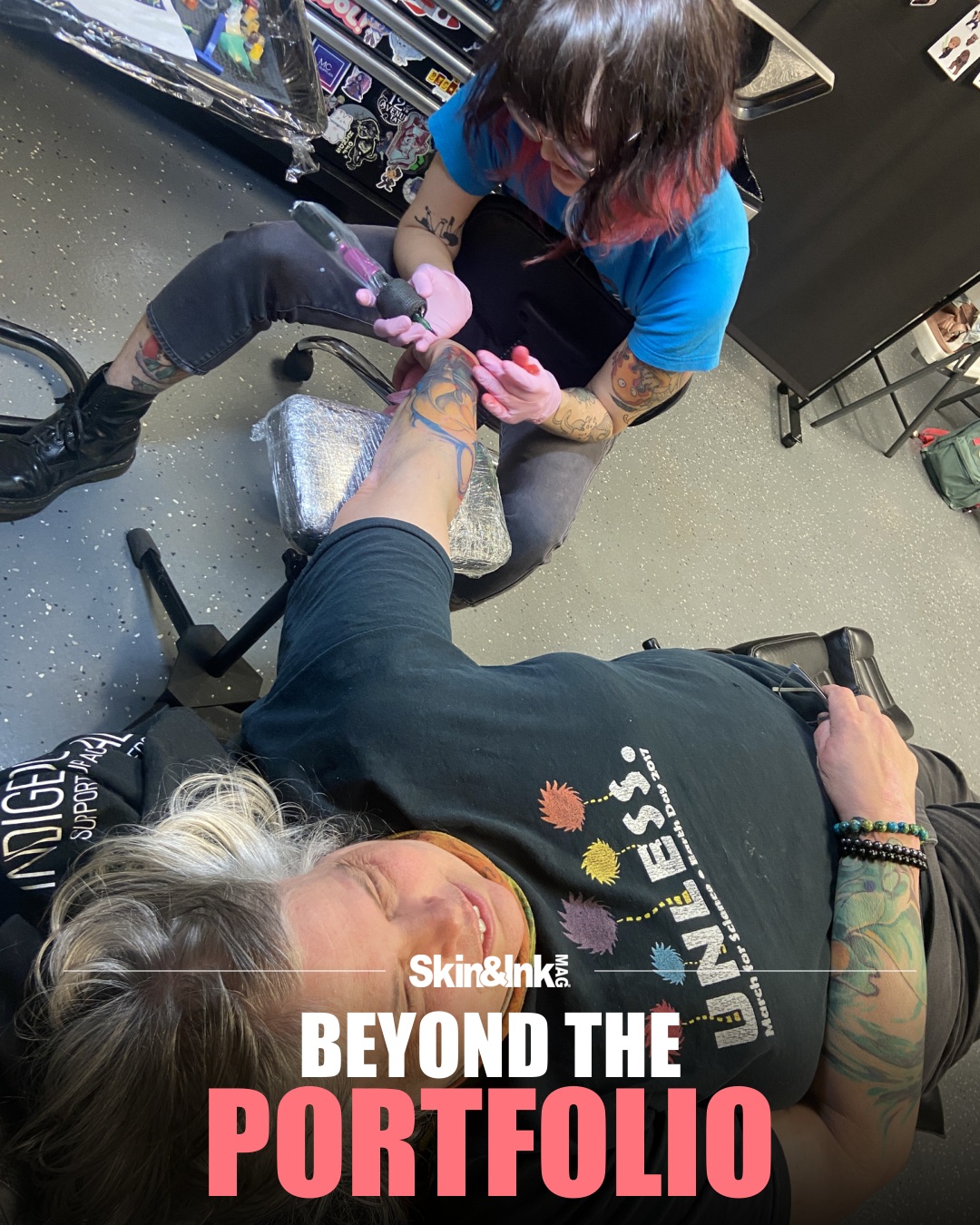
The portfolio gets your attention. The consultation tells you whether the artist can work with you. These are different tests, and both deserve time. An impressive image does not explain how an appointment will be planned, whether a concern will be heard, or what happens when the design needs to change.
Choosing an artist means choosing someone whose judgment you will rely on during an irreversible process. That makes the conversation around the tattoo part of the work. You should leave it understanding the plan, not merely feeling grateful to have secured a booking.
Look for relevant strength
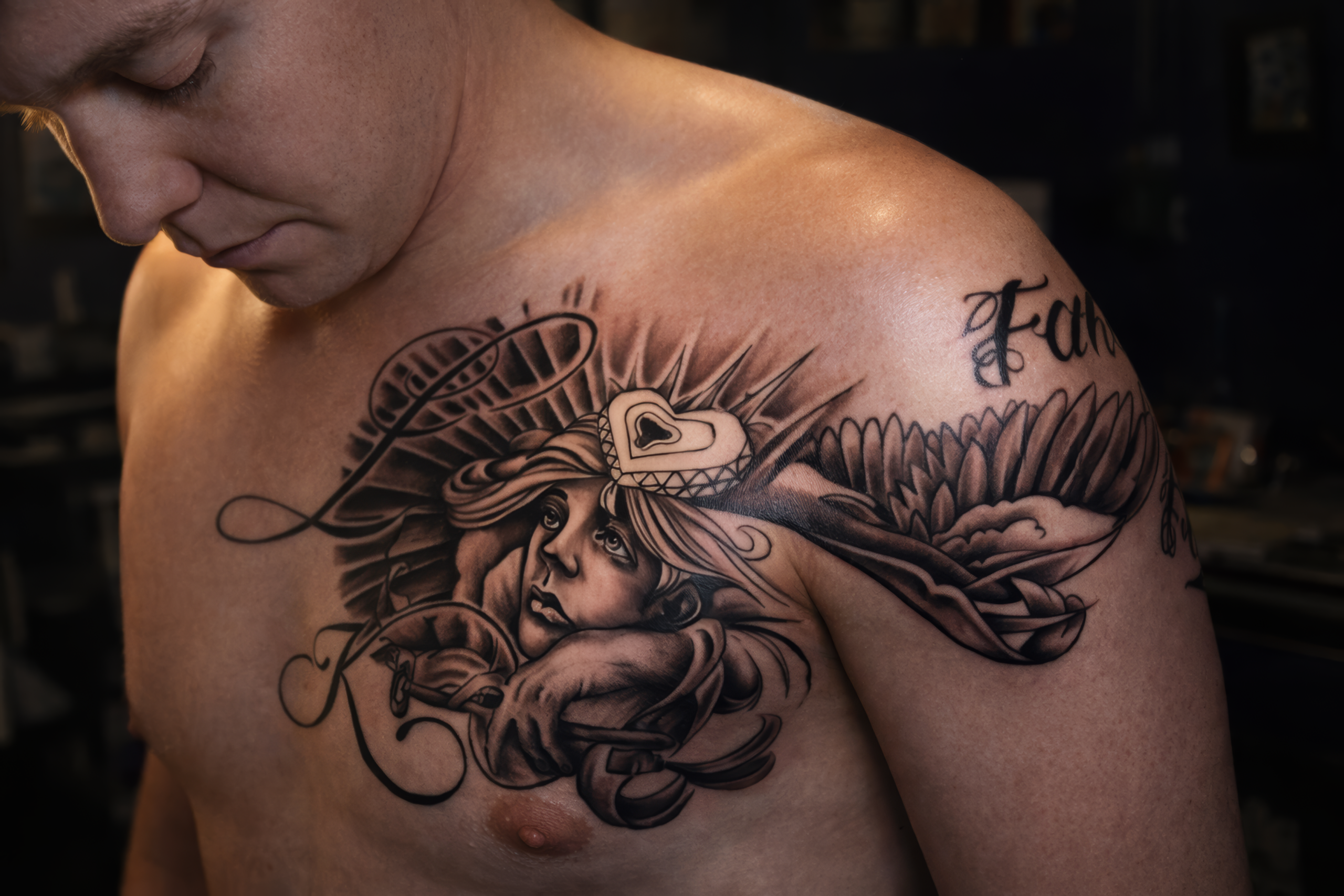
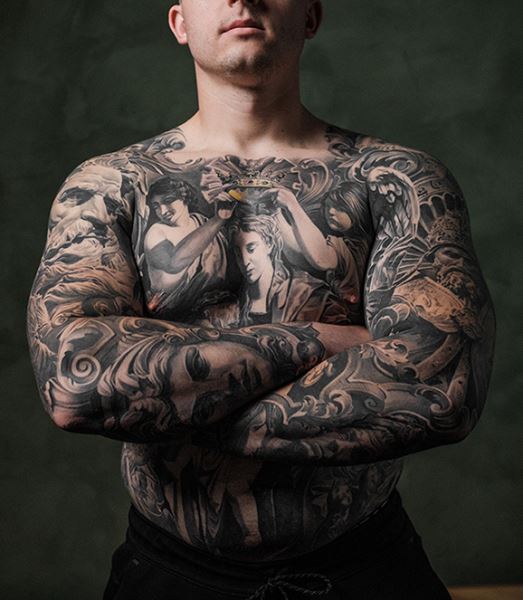
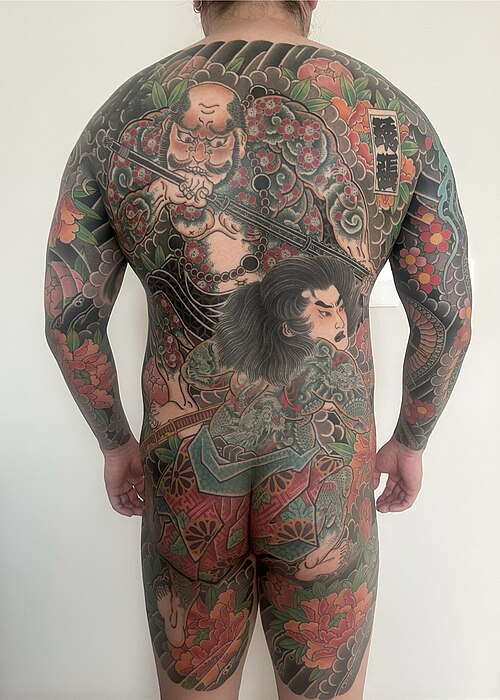
An artist can be excellent at work unlike the tattoo you want. Look for examples that answer your actual question: similar subject matter, scale, placement, or visual approach. Ask about healed results. A portfolio full of dramatic large compositions does not by itself demonstrate experience with very small lettering, and the reverse is equally true.
Good artists should be able to describe their limits. Referring you to a colleague can show professional judgment. So can explaining why the reference needs a different size or why a particular detail will not serve the design. Agreement is pleasant; an informed explanation is more useful.
Notice how decisions are shared
A consultation should make room for what matters to you. Perhaps a particular flower is essential but the arrangement is flexible. Perhaps the position is fixed by existing work. Explain those priorities early, then ask the artist to distinguish a necessary adjustment from a personal preference.
You should also understand the design-review process. Find out when you will see the artwork, how revisions work, and what a major change means for the appointment. Clear policies prevent surprises. They should be explained in ordinary language rather than introduced only after a deposit has been paid.
Professionalism includes boundaries
Courtesy is more than charm. A professional should respect requests for privacy, explain relevant policies, and allow you to ask questions without ridicule. Consent to a tattoo does not automatically include consent to filming, a public account of its meaning, or identifying photographs.
Practical standards matter alongside the creative relationship. Check the requirements in the jurisdiction where the artist works and ask how the studio meets them. A stylish room or a high price is not proof of safe practice. Where a medical concern falls outside an artist’s expertise, an appropriate referral is a better response than confident improvisation.
Consider what happens after the session
Ask how aftercare information is provided and whom to contact with questions. Clarify any touch-up policy without assuming that every later change will be covered. Reliable communication should continue after the exciting part of the appointment is over.
No artist can promise a flawless experience for every client, and one awkward exchange does not establish a person’s entire character. Look for a pattern of clear communication and sound decisions. If you feel rushed or unable to disagree, you are allowed to pause.
A great match combines the art you admire with a process you can trust. The finished tattoo may become the public evidence of that relationship. The quieter evidence appears first: careful listening, honest limits, and decisions that leave the person wearing the work informed and respected.