Words: Skin & Ink Editorial Staff
An old shopfront can invite a story before anyone checks the dates. The sign looks right, the walls are crowded, and somebody remembers an artist who worked there long ago. Those details are a beginning, not proof that a business is the oldest of its kind. Tattoo history deserves the same care with evidence that any other history receives.
This is a guide to documenting an old shop, rather than an unsupported ranking. Start by defining the claim. Does “oldest” refer to a continuously operating business, the same address, the same name, or an artist’s career? A shop can move, change owners, close temporarily, or inherit a name. Those distinctions change what the record can honestly support.
Build a timeline with more than memory
Look for dated advertisements, directories, business records, photographs, correspondence, and publications. Record where each item came from and what it actually establishes. An advertisement can show that a shop was trading under a name at a particular time; it may not prove the opening date. A photograph can show a sign without establishing who owned the business that year.
Interview people who knew the shop, but distinguish their recollections from independently verified dates. When accounts conflict, preserve the disagreement until better evidence resolves it. Choosing the most colorful version may produce a good anecdote while creating a bad historical record.
Describe the place as a working environment
A useful account includes more than celebrated names. How was the room arranged? What kinds of work were offered? How did clients find the shop? What changed when another artist arrived or the neighborhood changed? Practical details can explain the place more clearly than a paragraph insisting that its walls could talk.
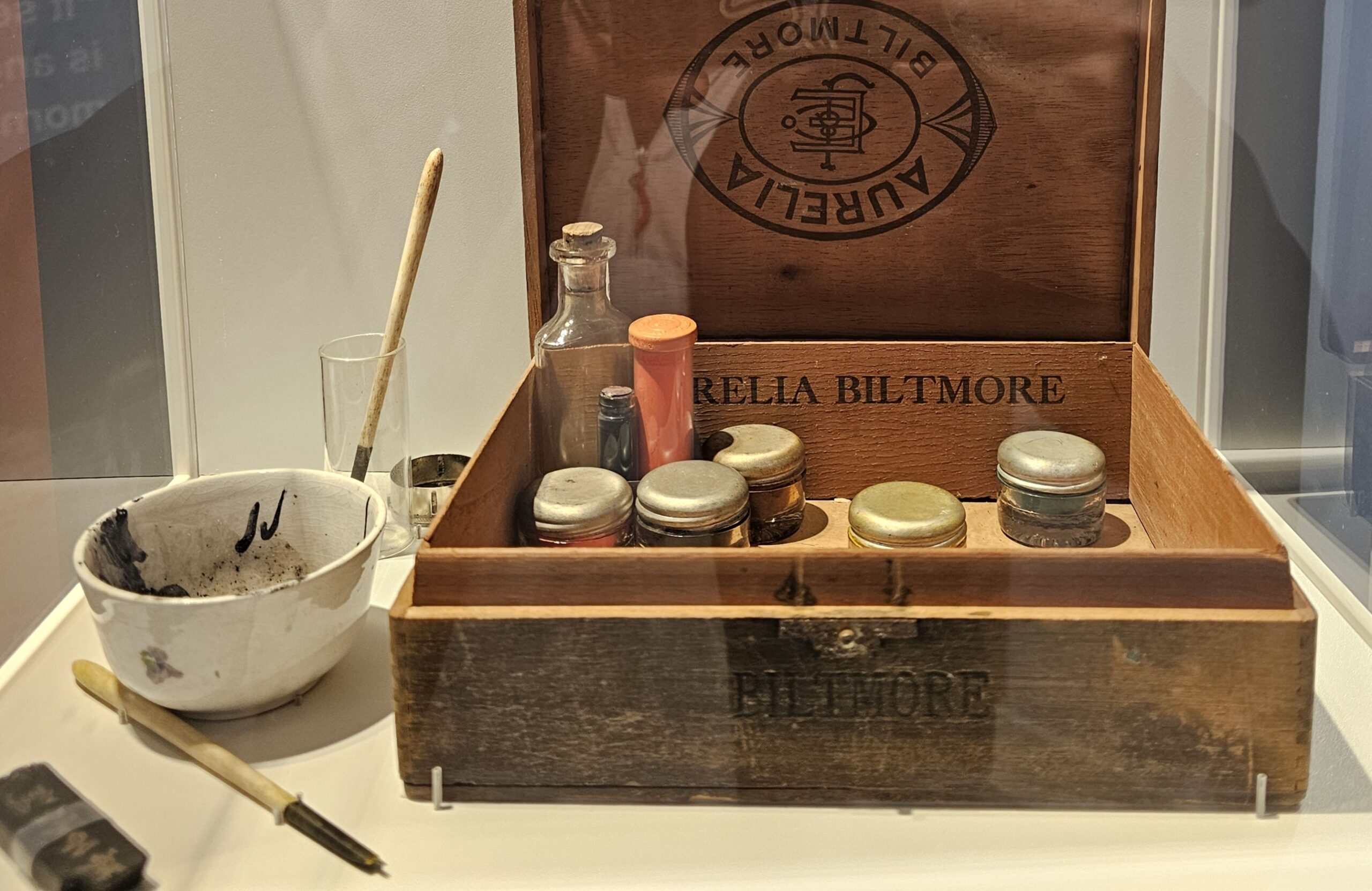
Objects deserve documentation too. Record the maker, owner, approximate date, and known history of flash sheets, machines, signs, and photographs. If attribution is uncertain, say so. A convincing archive does not need to know everything; it needs to distinguish what is known from what is assumed.
Preserve people without manufacturing mythology
The Oral History Association’s guidance offers a useful foundation for consent and expectations when recording personal accounts. Explain the intended use, obtain appropriate permission, and respect limits on sensitive material. A person’s willingness to reminisce is not unlimited permission to publish every detail.
Be careful with allegations and stories about people who cannot respond. Verify consequential claims and avoid presenting gossip as atmosphere. An old shop can be historically interesting without being decorated with invented danger, ghosts, or a false certainty about who did what.
The reward for this work is a story that remains useful after the romance of the first visit fades. Dates can be checked, objects can be traced, and future researchers can see how conclusions were reached. A tattoo shop’s past deserves more than a superlative on a sign. It deserves a record sturdy enough to survive the building.
Sources