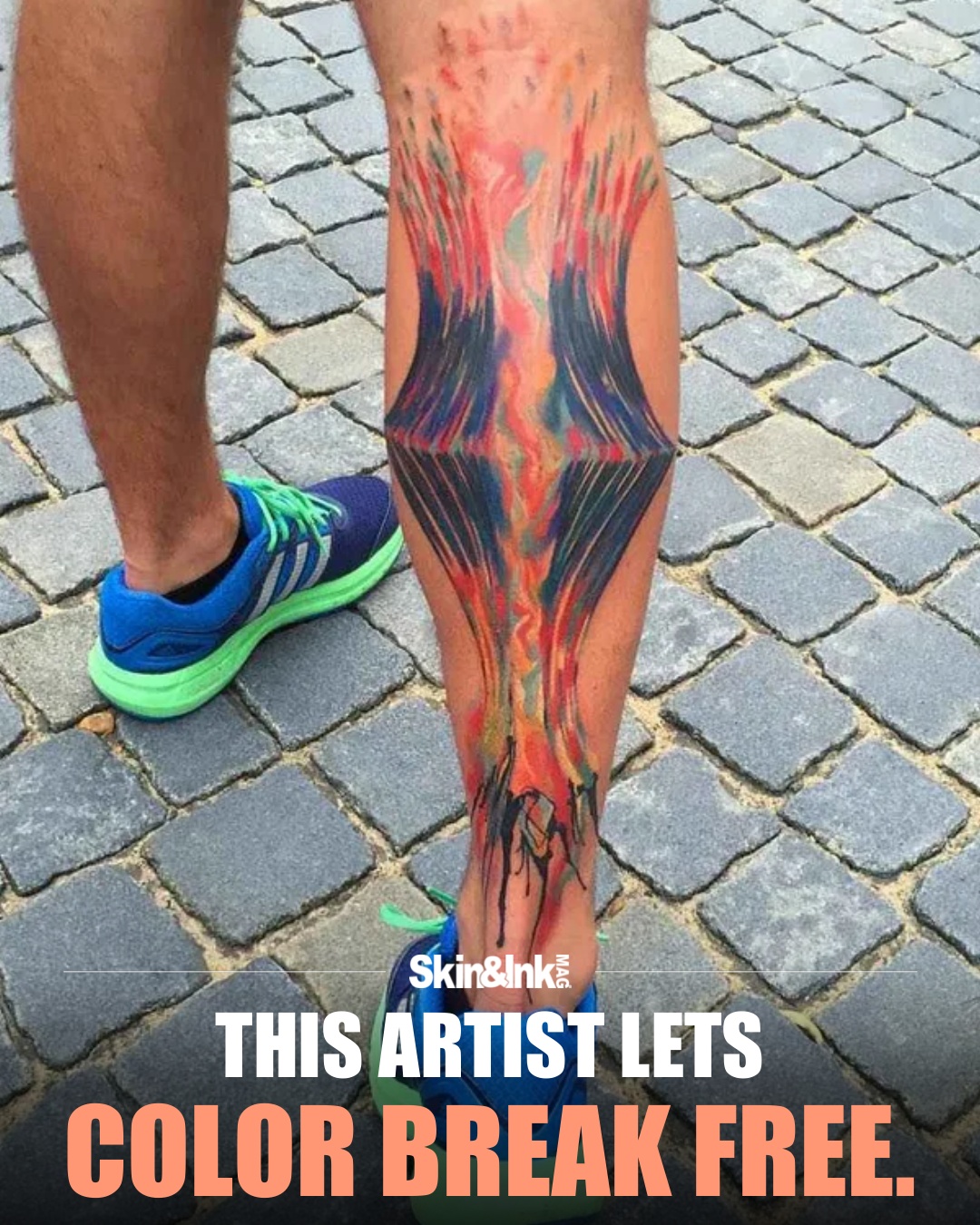
Words: Skin & Ink Editorial Staff
A video can show a hand position from an angle an apprentice might never see across a crowded workstation. It can be paused, enlarged, and watched again. What it cannot do is notice that its viewer misunderstood the lesson. That difference should shape the discussion of tattoo education more than a contest between old and new.
Declaring apprenticeship dead gives a dramatic headline to an unanswered question. The real issue is accountability: who watches a learner work, corrects a mistake, decides when they are ready for a harder task, and remains available when the result heals differently from the plan?
Information needs a feedback loop
Drawing exercises, equipment explanations, and recorded demonstrations can support education. They become much weaker when the learner treats completion as proof of competence. A course certificate describes a course; it does not show how someone handles a consultation, maintains a clean working sequence, or responds when a client needs the session to stop.
A prospective student should ask how work is reviewed. Is feedback specific to their own drawings and decisions? Can they ask questions? Does instruction distinguish practice material from work on a person? Are the instructor’s qualifications and limitations visible? A large audience does not answer any of those questions.
Apprenticeship needs scrutiny too
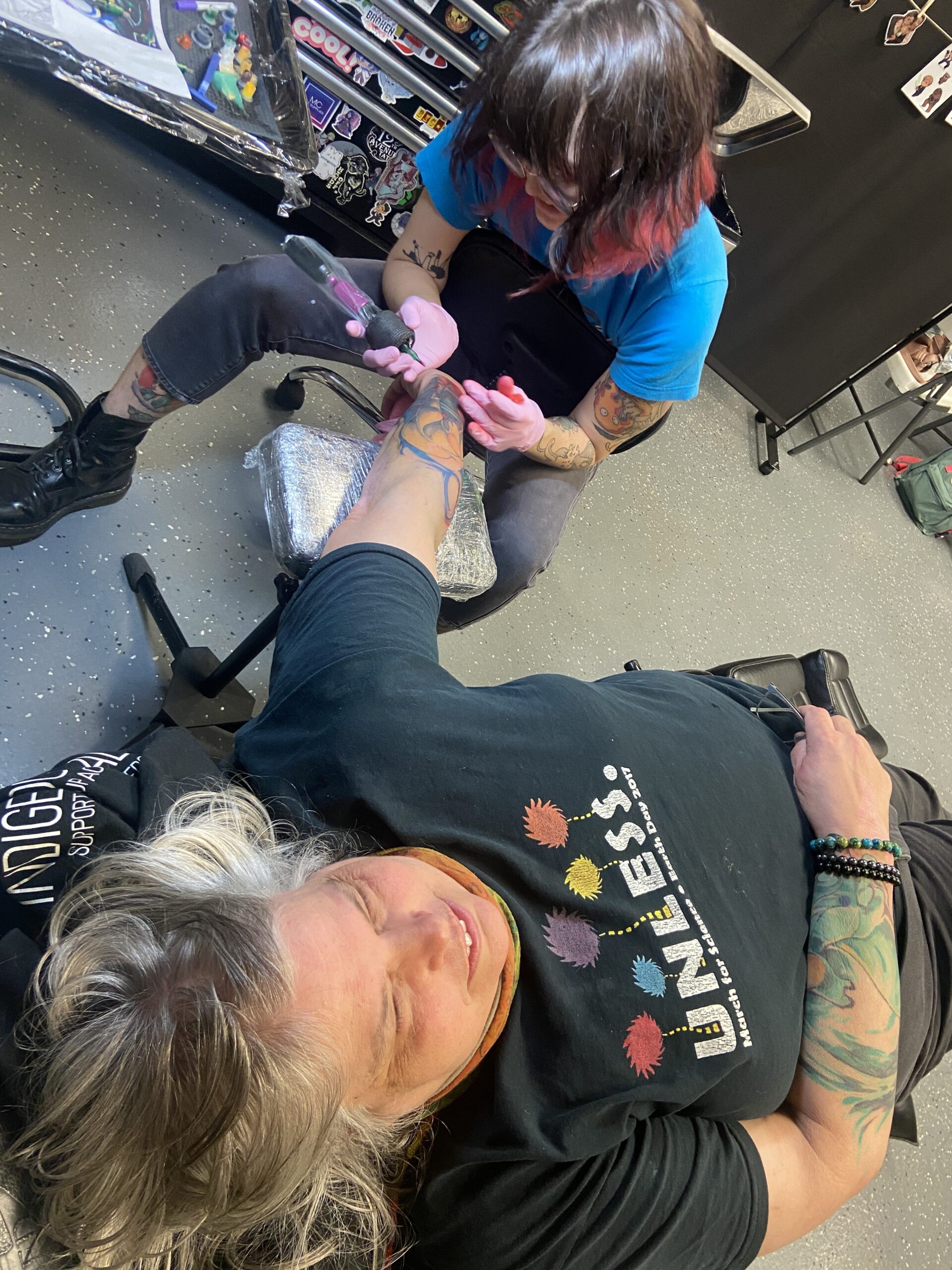
The word apprenticeship should not excuse indefinite unpaid errands, humiliation, or a teacher who never teaches. A credible arrangement needs a clear description of learning, supervision, responsibilities, costs, and review. Cleaning may be important work in a studio, but a learner should understand what the task teaches and how progress will be assessed.
Mentors also need time and skill to teach. Being an excellent tattooer does not automatically make someone a patient or organized educator. A sensible agreement allows both parties to discuss whether the arrangement is working without treating every question as an insult to tradition.
Know which requirements are local
Professional education and legal permission are related but separate. For example, New York City requires its infection-control course before a tattoo artist license is issued. That specific requirement should not be presented as a universal system, nor should an online course be assumed to satisfy another jurisdiction’s rules. Check the relevant authority directly.
Safety learning also needs practical context. A learner must understand why a process exists, not merely memorize a visually tidy setup. Questions about contamination, documentation, client communication, and when to refer a concern to a healthcare professional belong alongside questions about line and shading.
Judge the education by what it makes possible
The strongest learning arrangement can use digital resources without surrendering supervision. It can value experience without turning secrecy into a teaching method. Its students should become better at explaining decisions, recognizing limits, and accepting correction.
Clients have a role here as well: ask whether someone is learning, who supervises them, and what that means for the appointment. Transparency should survive the booking process.
Tattoo education does not need a funeral for apprenticeship. It needs standards that can be applied to a respected shop and a polished course page alike. The essential question is whether someone is genuinely being taught to work responsibly, with another person prepared to notice when they are not ready.
Sources