Words: Skin & Ink Editorial Staff
The sound of a hand-tapped tattoo can make a video feel immediate: a repeated strike, a quiet room, an image slowly taking shape. Sound draws the viewer close. It can also distract from everything outside the crop, including the artist's training, the client's wishes, and the cultural setting of the work.
Calling the sound hypnotic is a description of a viewer's reaction. It is not an explanation of the practice. If a recording leaves people with only a rhythm and an impression of timelessness, it has shown a fragment while encouraging them to believe they have seen the whole.
Name what is being shown
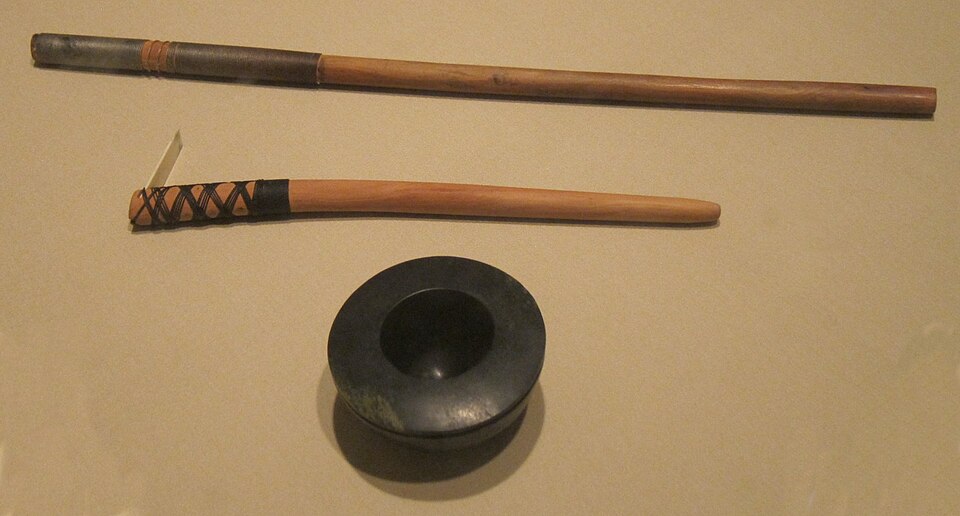
Te Papa's account of Sāmoan tatau identifies tools including the tattooing comb and mallet. Its broader documentation connects the practice with particular makers and communities. Those details are more useful than a generic label such as ancient tattoo ritual, which can make distinct traditions seem interchangeable.
Hand-tapped is a description of a method, not a single worldwide cultural identity. Do not infer the meaning of a design from the sound of its application. Likewise, a client choosing a manual technique is not necessarily participating in the same relationship or ceremony as someone shown in a documentary from another place.
A responsible caption should answer basic questions where permission allows: who is working, what practice they identify with, where the recording was made, and how the artist wants the process described. If the clip has been reposted without that information, its aesthetic appeal is a reason to locate the source, not an excuse to invent one.
The recording has its own ethics
Ask before filming and before publishing. Permission to record part of a session may not include permission to share the client's face, conversations, or identifying marks. The artist may also want some aspects of the process kept private. A useful documentary respects those limits rather than presenting access as something the audience is owed.
Editing can create misleading impressions. Removing pauses may make a session appear uninterrupted. Replacing the original sound with dramatic music can turn ordinary concentration into spectacle. A time-lapse should be identified as a time-lapse, and any claim about duration should come from the actual record rather than the edited video's length.
Listen without romanticizing pain
An evocative soundtrack cannot tell us how the client feels. Avoid describing endurance as spiritual achievement unless the person has chosen that description for their own experience. There should be room for concentration, discomfort, boredom, conversation, and practical breaks without forcing the appointment into a heroic story.
The best way to appreciate a method may be to let its practitioner explain it in their own terms. Sound can open the door, but it should not replace the names and relationships that make the work intelligible. A short clip becomes more valuable when it points beyond itself toward a person whose knowledge deserves attention after the tapping stops.
Sources