Words: Skin & Ink Editorial Staff
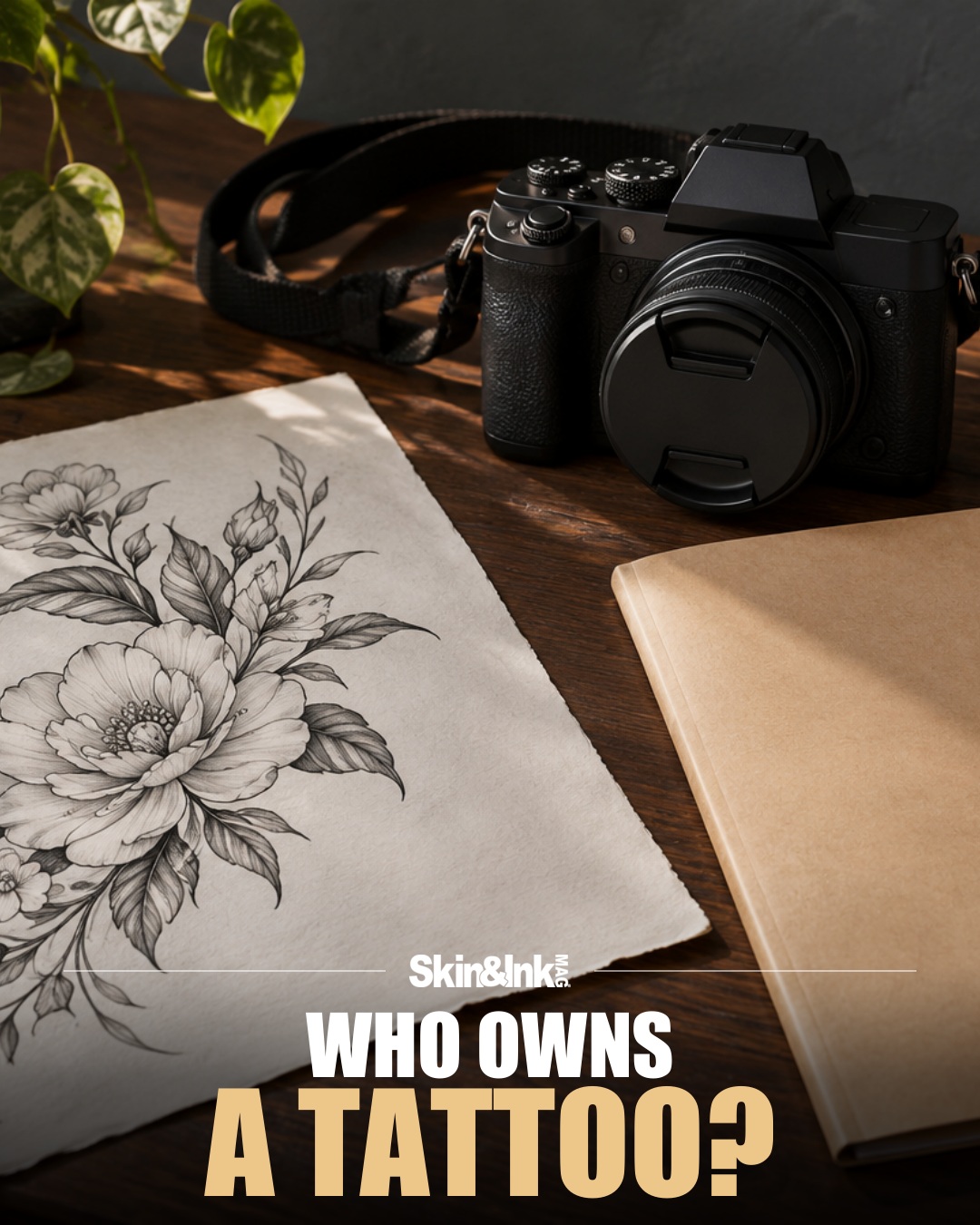
A tattoo can bring several people and several rights into the same photograph. There is the person wearing it, the artist who designed it, and perhaps a photographer who made the image. Asking who owns the tattoo is a useful beginning, but it is too broad to settle what each person may do next.
A better conversation names the proposed use. Wearing a tattoo, copying its drawing, selling prints of a photograph, and placing an image in an advertisement are different situations. Treating them as one question invites an agreement nobody fully understood.
The design and the photograph
The U.S. Copyright Office explains that original visual artwork and photographs can qualify for copyright protection. Copyright Alliance's tattoo guidance applies originality and fixation principles to tattoos while describing disputes over their reproduction. Those resources support caution, not a universal answer to every tattoo-related use.
The fact that a client paid for a tattoo should not be treated as an automatic agreement about every possible commercial reproduction. Likewise, artistic authorship should not be confused with ownership of the person wearing the work. Contracts, licenses, applicable law, and the details of a particular use can matter. For a consequential project or disagreement, obtain legal advice rather than relying on a slogan about ownership.
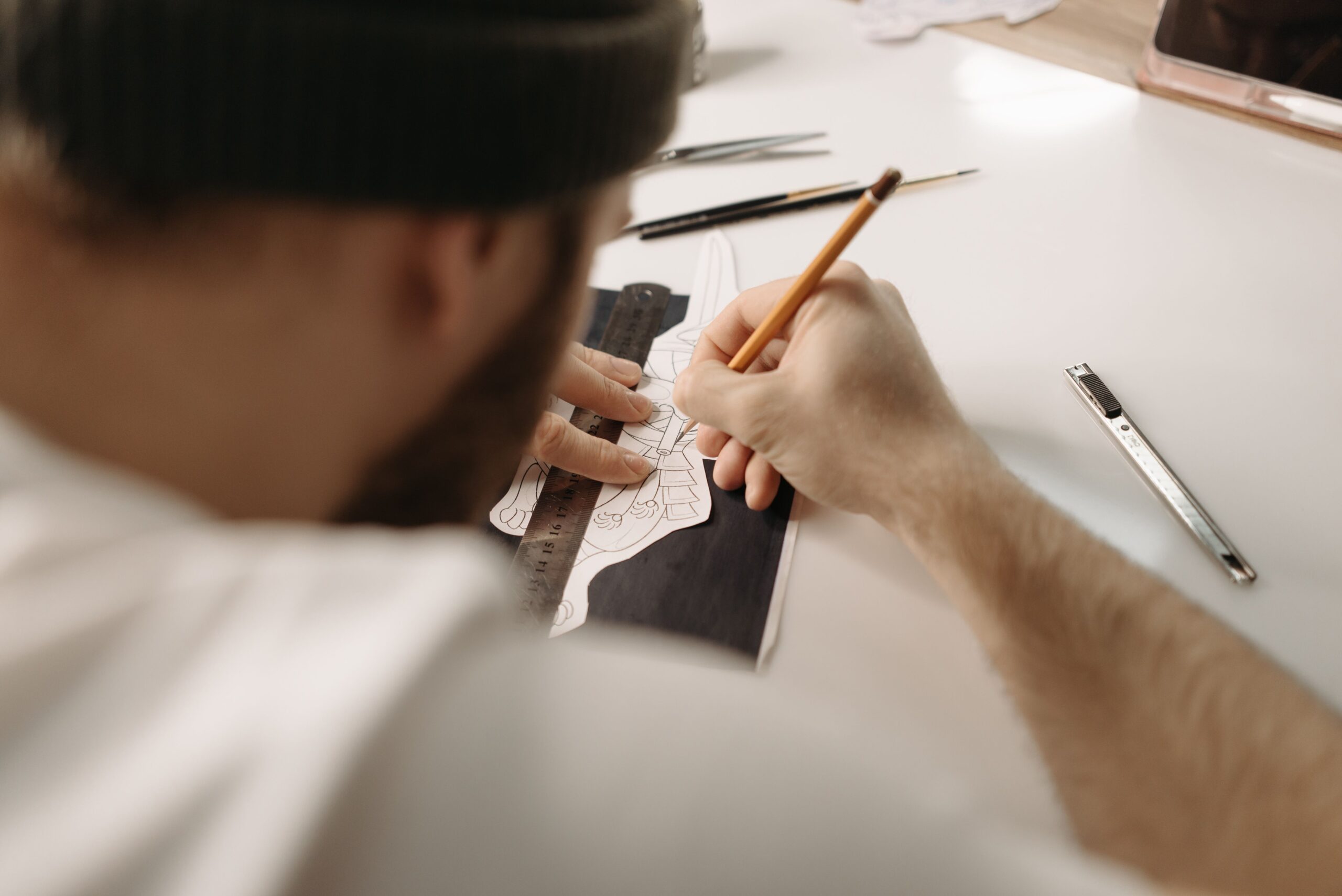
A photographer's permission may also be necessary when using their image, even if the tattoo artist and wearer agree. Giving credit is good practice, but attribution alone does not establish that a requested use is authorized. Ask who made each element and what permission actually covers.
Resolve ordinary uses early
A studio can discuss portfolio photography before the appointment without making it a condition of receiving good work. Where will the photograph appear? Will the person's face or identifying details be visible? Is permission limited to a portfolio, or does it include advertising? These distinctions should be understandable to somebody who does not work in publishing.
A commercial collaboration needs more detail. Agree who can reproduce the design, in which formats, for how long, and with what credit or payment. If a proposed use changes, revisit the agreement. Permission for a studio's social post should not quietly expand into another company's merchandise campaign.
Handle reference images honestly
Clients often arrive with work they admire. An artist can ask what appeals to them: the subject, arrangement, mood, or technique. That conversation can lead toward a new composition rather than a replica. If the request is for an exact protected image, seek appropriate permission or decline when it cannot be resolved.
There is no reliable legal rule that changing a fixed percentage of a picture makes copying acceptable. Nor should a magazine reduce a complicated case to a headline that all tattoo photographs are always allowed or always forbidden. Specific facts matter.
Clear agreements do not have to drain the excitement from making art. They protect it by making expectations visible while everyone is still collaborating. Start with the actual intended use, identify the people whose work or likeness is involved, and settle the terms before an image begins traveling farther than anyone expected.
Sources