Words: Skin & Ink Editorial Staff
A fresh tattoo photograph records an important moment: the design has been completed, the equipment is put aside, and the client gets a first clear look. It is also only one moment. A portfolio that stops there asks the viewer to imagine everything that happens afterward.
Healed photographs bring the tattoo back into everyday life. They show the composition after the appointment, without relying on the drama of a just-finished session. For a prospective collector, they offer a different kind of evidence. For an artist, they create an opportunity to learn from work that has had time to settle.
Ask what “healed” means in the caption
A label needs a date or an interval to be useful. A picture taken after the initial healing period does not demonstrate how the design looks years later. A photograph taken after a touch-up should say so. There is nothing shameful about maintenance, but undisclosed maintenance makes comparison misleading.
A useful portfolio pairs pictures of the same tattoo and identifies when each was taken. It also includes enough of the body to show placement. A perfect close-up of one small area cannot explain how the whole design behaves around an elbow, across a shoulder, or beside older work.
Compare conditions before judging execution
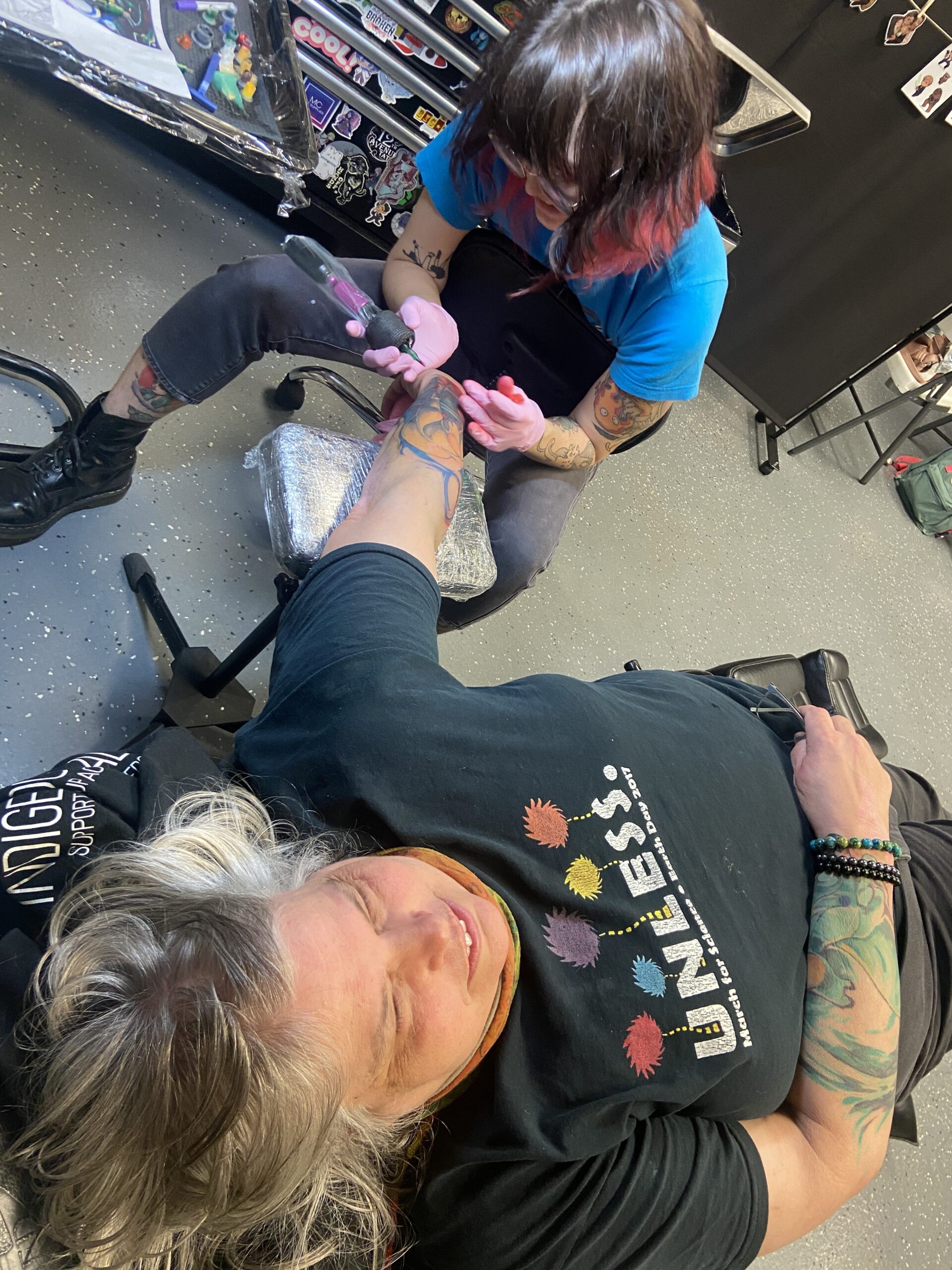
Light, exposure, angle, and camera processing all influence a photograph. A bright outdoor picture and a dim indoor one may make the same tattoo appear quite different. Before calling a change fading or poor application, ask whether the images are genuinely comparable.
The most useful documentation aims for consistency rather than spectacle. Keep the framing and lighting understandable. Avoid smoothing the skin or altering saturation to improve the apparent result. A modest photograph that represents the tattoo honestly gives a client more useful information than a dramatic image that changes its visual qualities.
Read the composition, not just the pixels
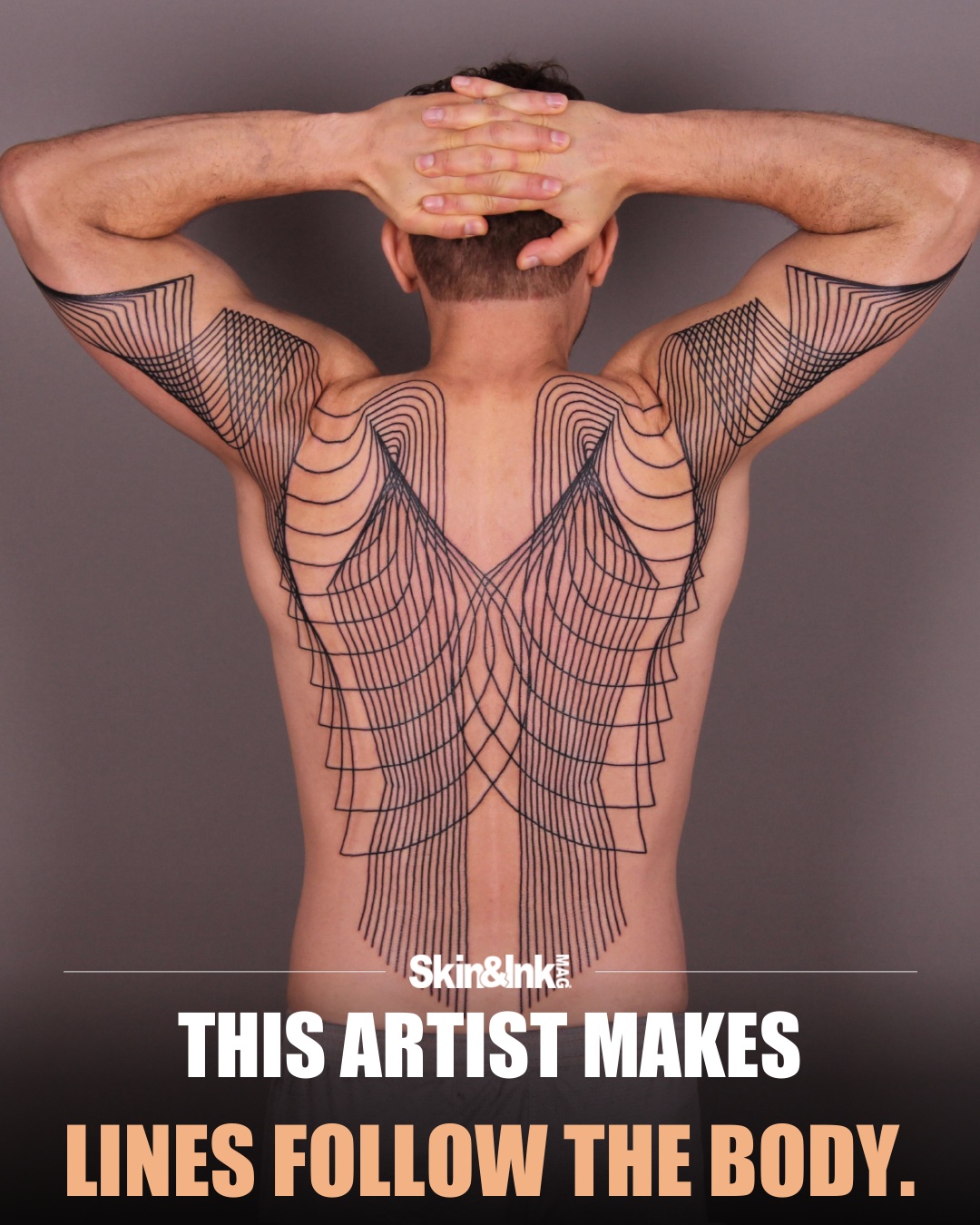
Start at normal viewing size. Can you identify the subject? Does the eye find a focal point? Are the spaces between small elements doing enough work? Then look more closely at the details that matter to your proposed tattoo. Someone planning small script needs different evidence from someone planning a large ornamental back piece.
Do not diagnose a skin problem from a photograph or assume every visible change identifies an artist’s mistake. The American Academy of Dermatology describes several possible tattoo-related skin reactions. A concerning change deserves appropriate medical evaluation rather than a verdict in a comment section.
Make follow-up part of the portfolio
Artists can invite healed pictures without making clients feel they owe a public appearance. Ask separately for permission to photograph, identify, or publish. A private follow-up can still provide valuable feedback even when the client declines promotion.
A collector can also ask to see healed work during a consultation if the public feed contains little of it. The response matters: a clear explanation and relevant examples are more reassuring than irritation at the question.
Fresh images deserve their place. They celebrate labor and introduce new work. Healed images complete the conversation by showing what the collector actually lives with. A strong portfolio has enough confidence to make room for both.
Sources