Words: Skin & Ink Editorial Staff
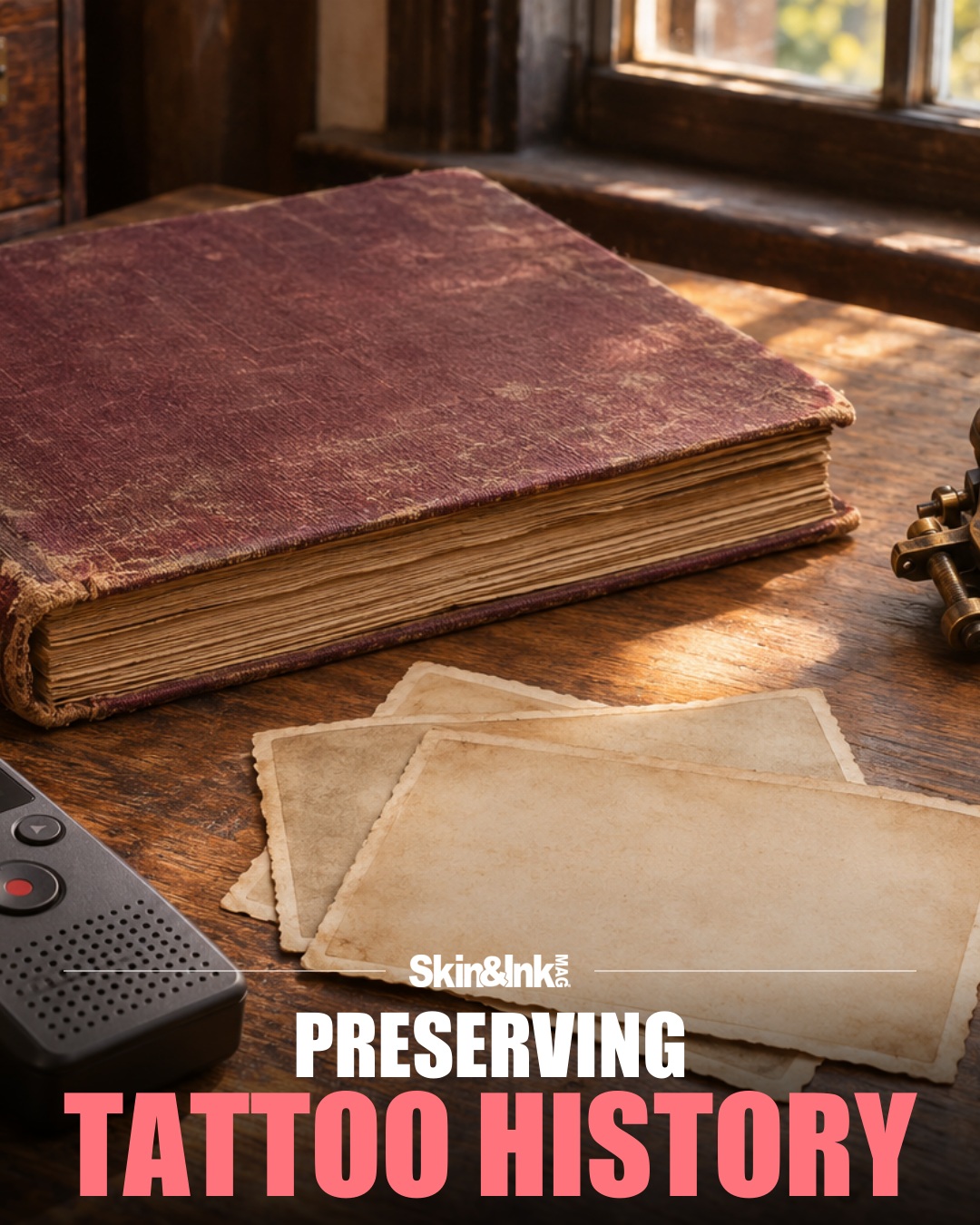
A machine can survive its owner. A flash sheet can spend decades in a drawer. The explanation that connects them can disappear in a single afternoon. Who built the machine? Which shop displayed the drawing? Was the name penciled on the back the artist, the collector, or somebody who sold it later? Preserving tattoo history starts with taking those apparently small questions seriously.
Calling every veteran a legend is generous, but it can flatten a working life into a reputation. The more useful record includes ordinary details: how appointments were booked, where supplies came from, who answered the telephone, how a design changed, and which colleague offered help. Those details give future readers something more substantial than a repeated nickname.
Start while someone can still answer
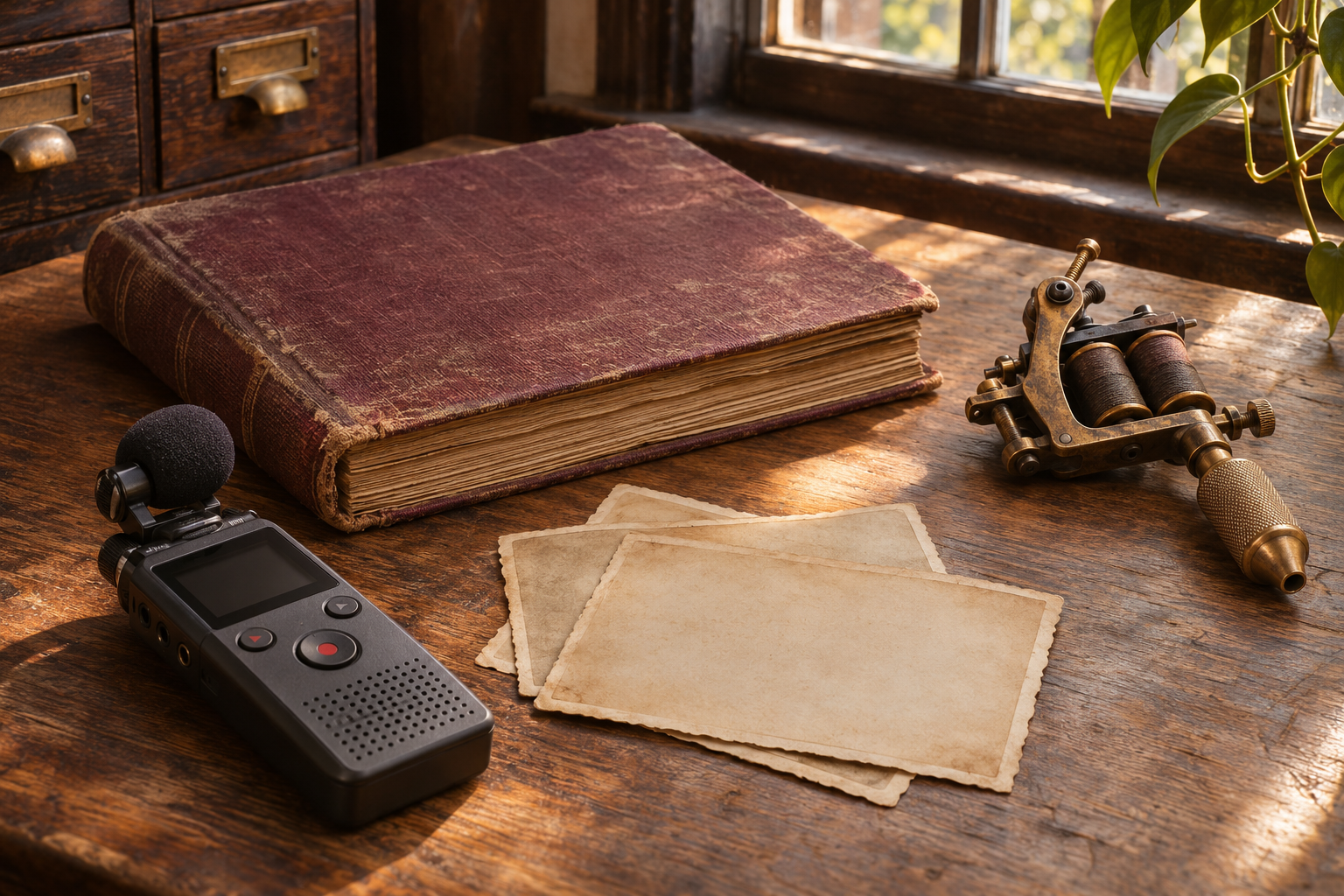
An archive does not need to begin with a documentary crew. A clearly labeled recording, a scan of both sides of a photograph, and a page identifying the people involved can establish a workable foundation. Ask one question at a time. Let the speaker distinguish something witnessed personally from something heard later. Record uncertainty instead of repairing it with a confident guess.
Consent belongs in the process before a microphone is switched on. The Oral History Association’s guidance recommends documenting informed consent and, where possible, offering narrators a chance to approve an interview before public release. For a shop history, explain whether the material is intended for a magazine, a public archive, a family collection, or several of those uses.
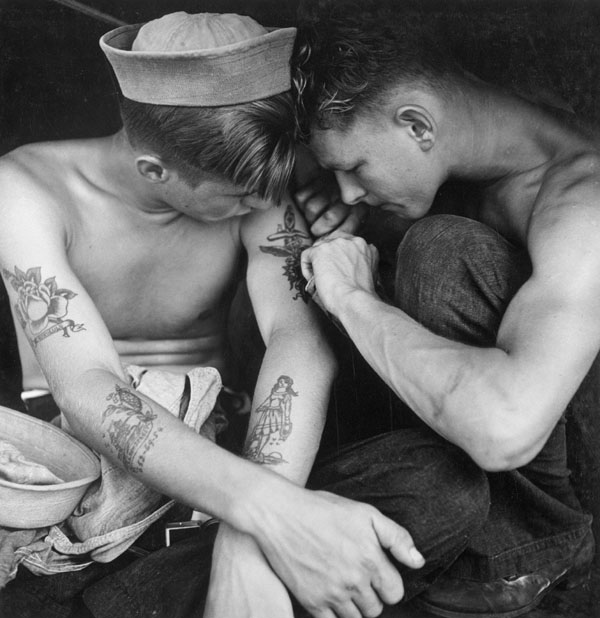
Keep the object connected to its story
A photograph without a date still matters. Label it honestly as undated, then note the evidence that might narrow the period. A shop address, a convention program, or another photograph may help. Keep the original scan alongside any edited version so that a cleaned-up image does not become the only surviving record.
A useful catalog entry can identify the object, its owner, the source of the identification, the date it was recorded, and any restrictions on publication. Photograph inscriptions and packaging as well as the attractive front surface. Preserve file names that make sense outside one person’s laptop. Keep copies in more than one place and give a trusted person enough information to find them.
Widen the circle
The artist at the center of a story is only one witness. Collectors may remember how a project developed. Partners may have preserved letters. Receptionists may know when a shop moved or changed hands. Their accounts should retain their own attribution rather than being absorbed into a single heroic biography.
Disagreement is part of the record. Two people can remember the same opening night differently. Publish what can be established, describe the conflict where it matters, and resist making an attractive anecdote more precise than its evidence allows. Respect requests to keep sensitive material private.
The aim is a collection that another person can examine, question, and understand. An affectionate tribute has a place. So does a carefully dated receipt. Together, with permission and context, they can preserve the working world behind the tattoo rather than merely the mythology around it.
Sources