
Words: Skin & Ink Editorial Staff
An artist may remember a client because the drawing was difficult, the conversation was funny, or the appointment carried an emotion that stayed in the room afterward. That memory can matter deeply without becoming a story for public consumption. Tattooing creates access to people. It does not automatically grant the right to turn that access into content.
The distinction is easy to lose when a photograph looks compelling. A caption can make a piece more engaging by attaching a story about grief, recovery, embarrassment, or change. Yet the person wearing the tattoo may have shared that story only to explain the brief. They may never have intended to become a representative example of anything.
Ask what the client wants remembered
If a story is worth telling, ask whether the client wants to participate and what they are comfortable sharing. Be specific about the proposed use. A private conversation, a portfolio caption, a magazine feature, and a promotional video are different settings. Agreement to one should not be treated as agreement to all of them.
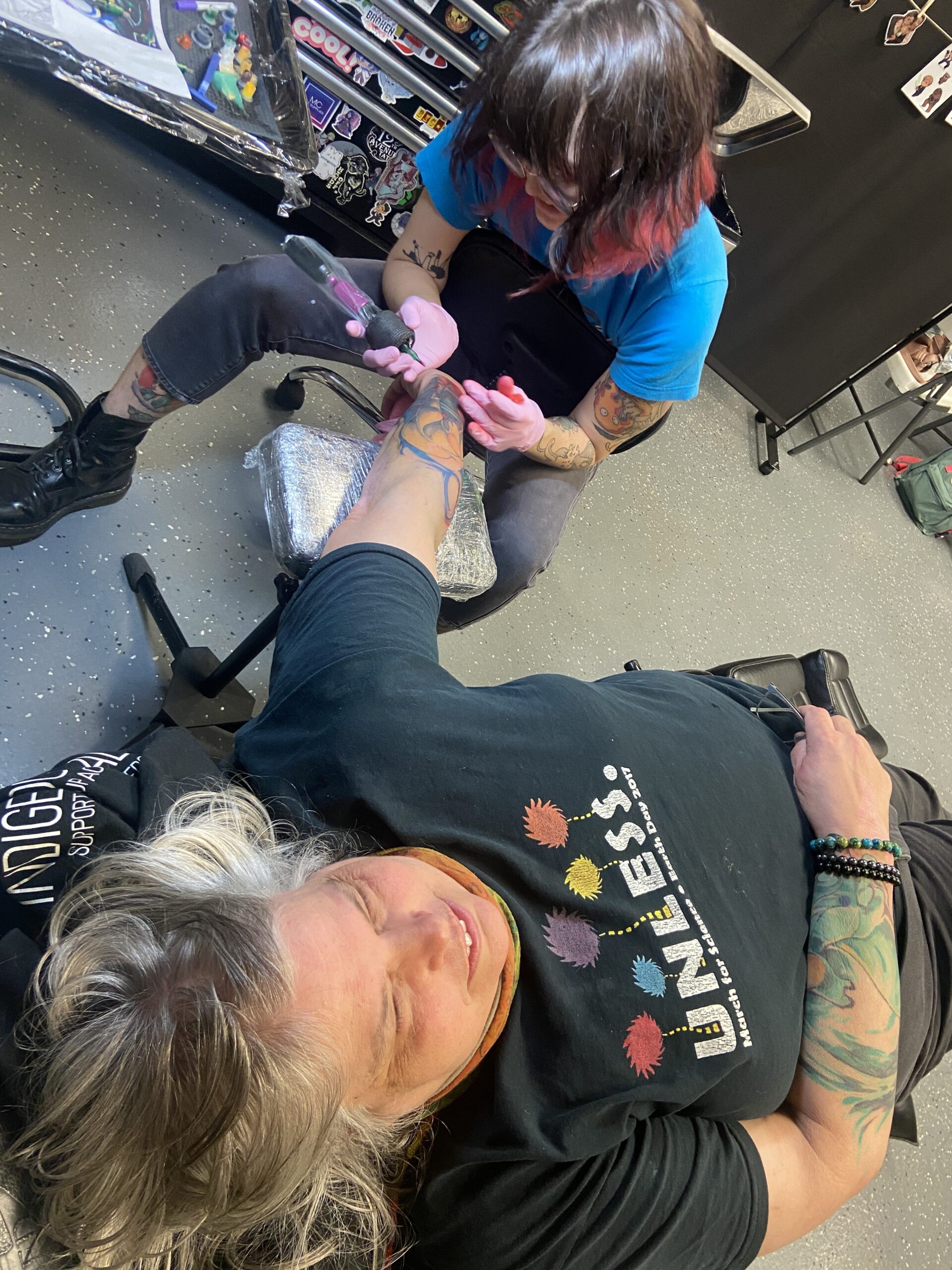
Give the person a genuine option to decline. The request should not be made in a way that makes approval feel tied to the artist’s goodwill or the quality of service. If they prefer to share the image without the personal history, that is a complete answer. The tattoo can stand on its own.
Be careful with recognizable details
Removing a name does not necessarily make a story anonymous. A distinctive tattoo, location, date, profession, or relationship can identify someone to the people who know them. Consider the combination of details rather than treating anonymity as a single missing label. When uncertainty remains, ask or leave the story out.
Avoid assigning a neat emotional outcome to an appointment. An artist may hope a tattoo helped someone, but that hope is not evidence that a complicated experience was resolved. Let the client describe their own response if they choose. Do not write the ending they would need for the caption to feel uplifting.
Remember the ordinary generosity too
A memorable client need not have survived a crisis or requested an enormous piece. Thoughtful collaboration, patience during revision, or a genuinely enjoyable conversation can be enough. Artists can talk about the qualities of a good working relationship without exposing a person’s private circumstances.
Keep internal notes proportionate as well. Record what is needed for professional continuity and appropriate care, not every personal disclosure. A story can remain a human memory rather than becoming a searchable item in the business’s files.
The client an artist never forgets is still a person with control over their own life. Respecting that control does not make the relationship less meaningful. It gives the memory a stronger foundation than a post ever could. Some of the best evidence of trust is the story the artist chooses not to tell.