Words: Skin & Ink Editorial Staff
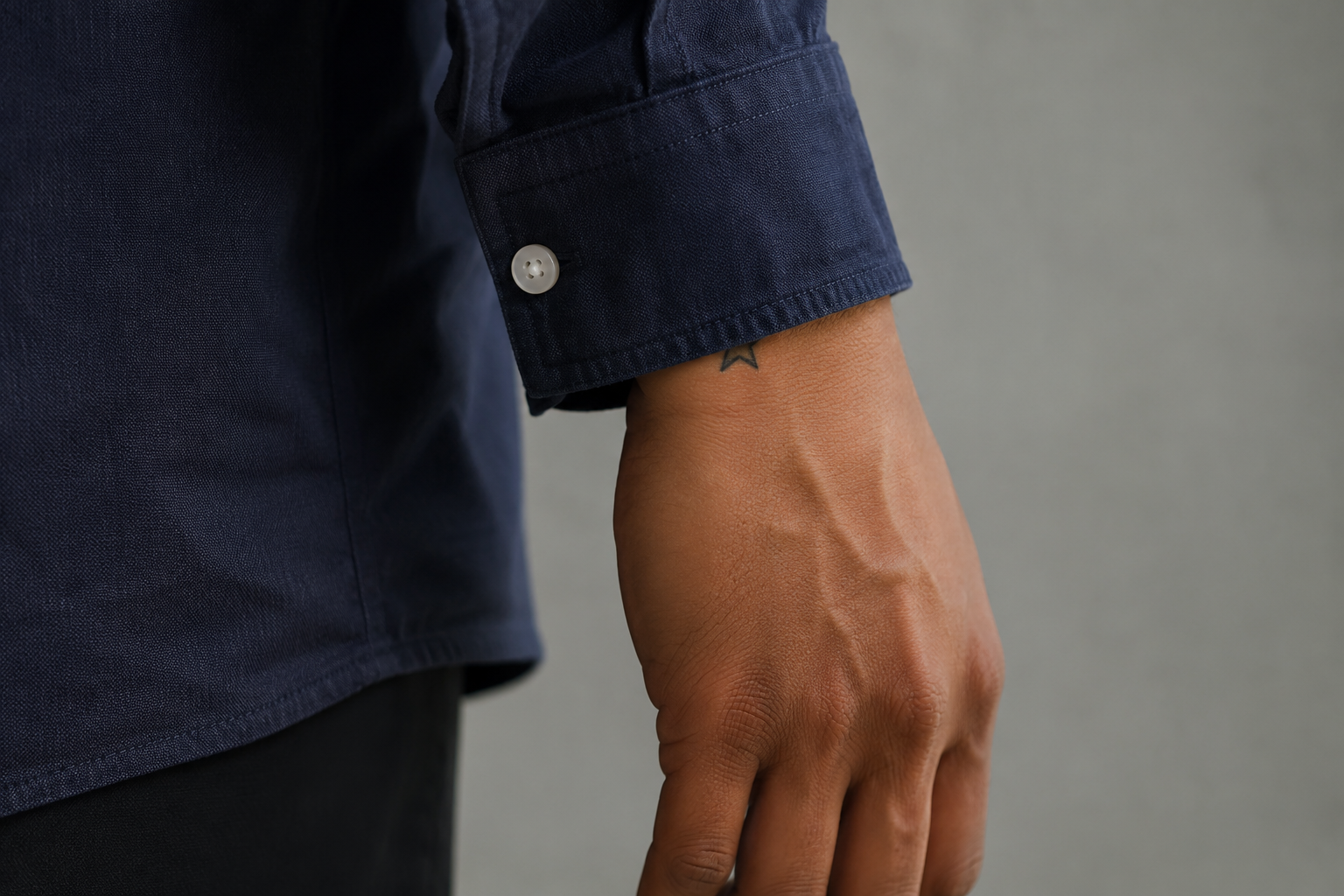
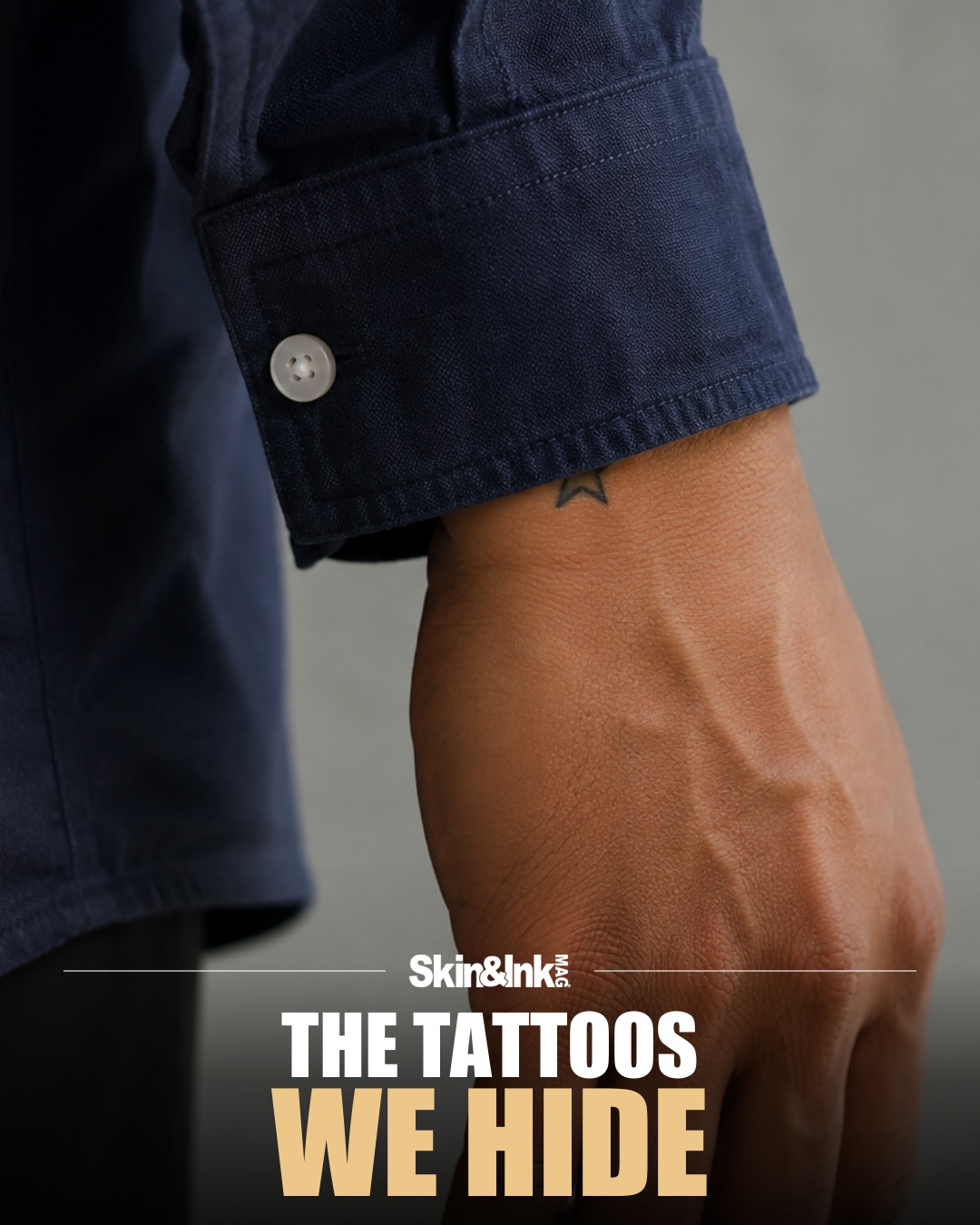
A tattoo does not become more authentic because other people can see it. Some work is meant to be encountered only by the wearer, by chosen people, or in particular circumstances. A covered placement can be a practical decision, a personal preference, or part of the design’s meaning. None of those possibilities requires a public explanation.
Visibility is often treated as a simple scale from discreet to bold. In daily life it is more complicated. Clothing, movement, work, weather, and personal boundaries change what is visible. A tattoo can be private in one setting and unexpectedly exposed in another. Thinking through those settings is more useful than choosing a placement from a photograph alone.
Test the placement in your actual life
Before the appointment, consider the clothes you commonly wear and the positions your body takes. Discuss those details with the artist when reviewing the stencil. If reliable concealment matters, say so explicitly rather than assuming the artist will infer it from the size or location. The intended relationship between image and clothing is part of the brief.
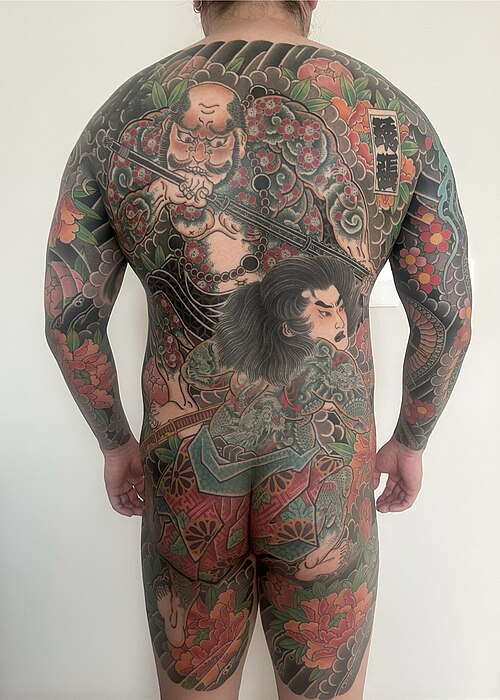
Do not let someone else’s idea of confidence decide for you. Wanting a covered tattoo does not mean being ashamed of tattoos, just as wanting visible work does not require a desire for attention. The wearer can enjoy the art without accepting a stranger’s explanation of what the choice supposedly reveals.
Privacy continues inside the studio
A placement beneath clothing may require practical arrangements for comfort and coverage. Ask how the appointment will be handled, who will be present, and what options exist if you need a pause. A clear conversation beforehand can make the session less awkward than relying on everyone to guess your boundaries in the moment.
Photography deserves its own consent. A close crop can still reveal identifying details, and an image of an intimate placement may feel different to the client once it is public. Ask about storage and publication rather than assuming every photograph is destined for a portfolio. You can want the tattoo and decline the photograph.
Meaning does not have to travel with the image
When someone notices the work, a short answer is enough. You may choose to explain the subject without sharing its history, or to say it is personal. A tattoo does not create a debt of disclosure. Friends, partners, artists, and strangers all benefit from remembering that curiosity is not an entitlement.
Private meaning can change over time, too. A tattoo may begin as a secret and later become something the wearer enjoys discussing. The reverse can happen as well. Publication decisions should account for the fact that an online image can outlive the circumstances in which permission felt comfortable.
A hidden tattoo can be as deliberate and ambitious as a visible centerpiece. Its audience may be smaller, but the care in its drawing need not be. The work belongs first to the body carrying it. Choosing who gets to see it is part of that ownership.