Words: Skin & Ink Editorial Staff
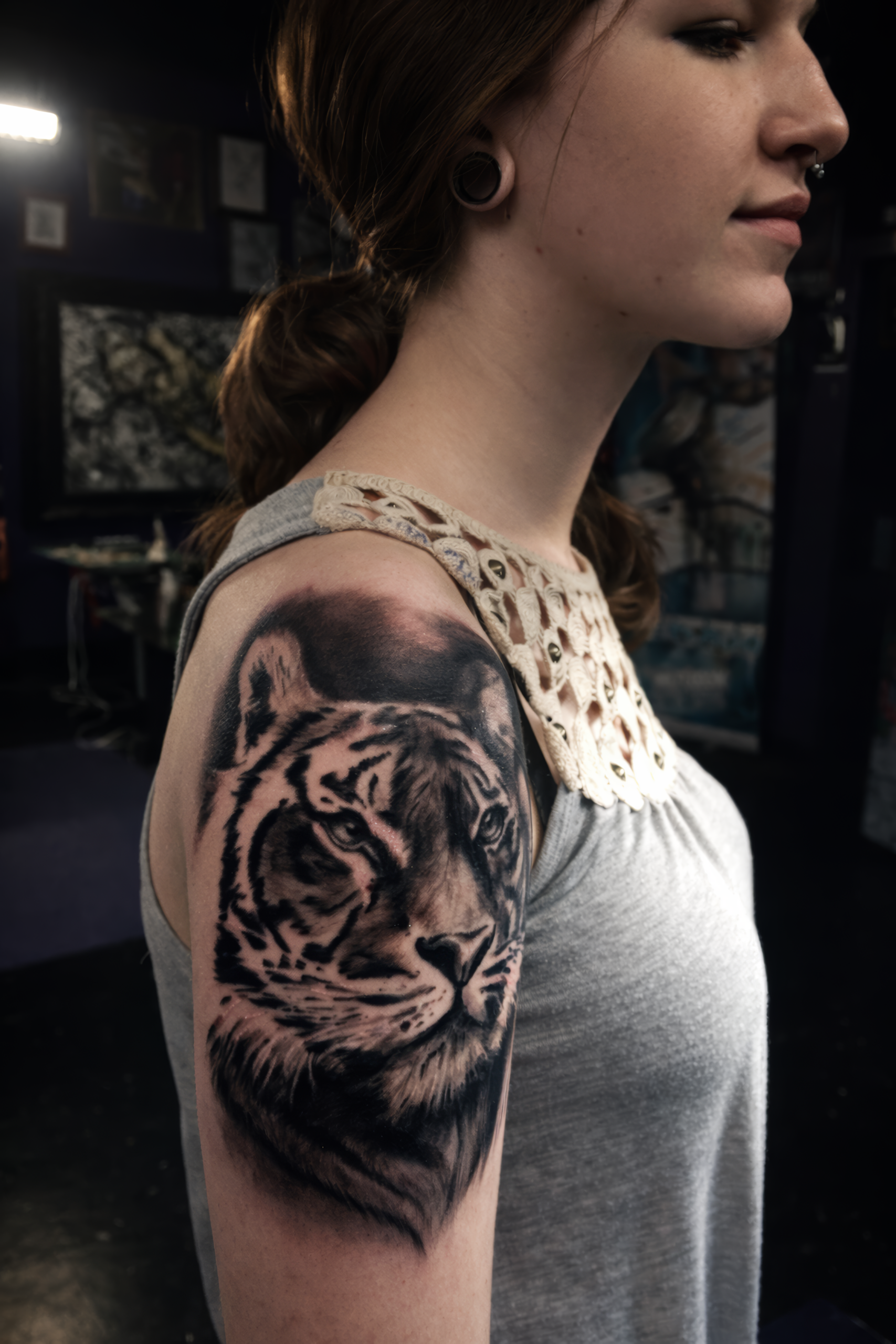
A tattoo collection does not need a master plan, but it benefits from attention. The first decision can be small and still be thoughtful: a particular artist, a subject you keep returning to, or a place on the body that feels right. You do not have to predict every future tattoo before making one good choice now.
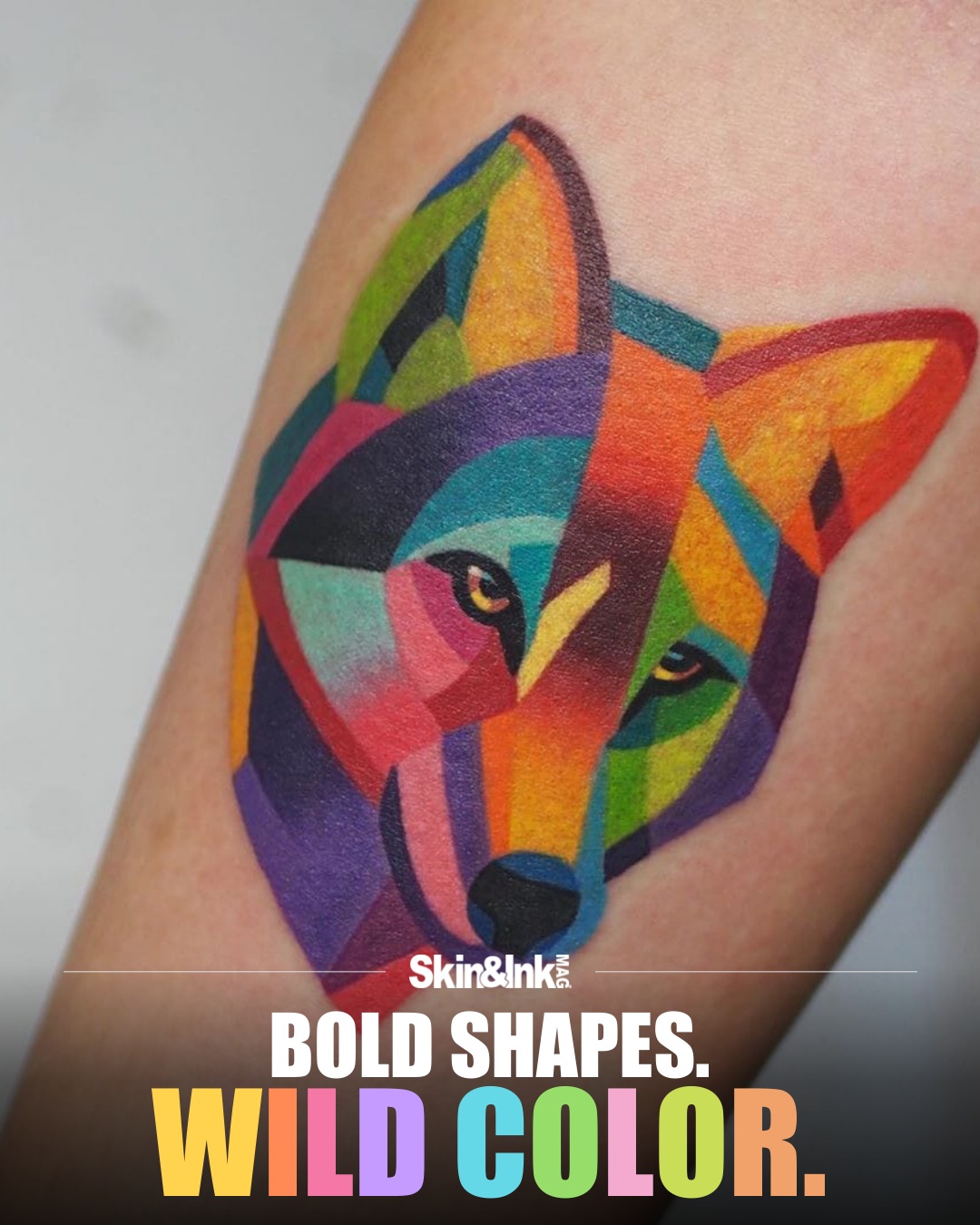
Begin with artists rather than a folder of finished tattoos to duplicate. Look for a consistent point of view and work you can imagine living with beyond the excitement of discovery. Study more than the newest images. Ask for healed examples and consider whether the artist’s approach suits the kind of piece you actually want.
Decide how the pieces will meet
Some collections are planned as large, connected compositions. Others grow through separate appointments with different artists. Both approaches can be satisfying. The important part is understanding the consequences of the next placement. A small piece centered in a large open area may affect later options, while leaving space can be a deliberate choice rather than an unfinished obligation.
If you imagine a sleeve or another larger project eventually, mention it now. Ask how the current tattoo might relate to future work. You do not need to settle every subject, but considering direction, scale, and breathing room can prevent decisions made in isolation from becoming problems later.
Collect experiences without collecting pressure
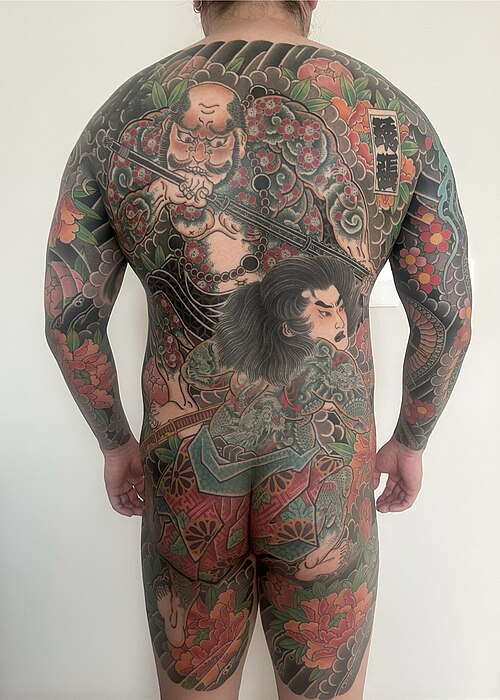
Travel, conventions, and guest spots can make access to an artist feel urgent. Distinguish genuine interest from the fear of missing a limited opportunity. An available appointment does not make the design right for you. It is reasonable to admire someone’s work and still decide not to wear it.
Likewise, an artist’s fame is not a substitute for fit. Consider communication, the consultation process, and the actual work proposed. A collection should not become an expensive list of names assembled for other people to recognize. The wearer lives with the images after the names stop being part of every conversation.
Keep the practical record
Save the artist’s name, appointment date, design references, and clear healed photographs. Keep any information the studio provides about the work and aftercare. If the collection spans years and locations, these modest records can preserve details that memory will blur. They also make it easier to credit artists accurately when sharing images later.
Budget for the whole project, including travel or additional sessions where relevant. Understand deposits, cancellations, and how revisions are handled before booking. A good financial plan leaves room for ordinary life rather than requiring every future decision to revolve around finishing the next appointment.
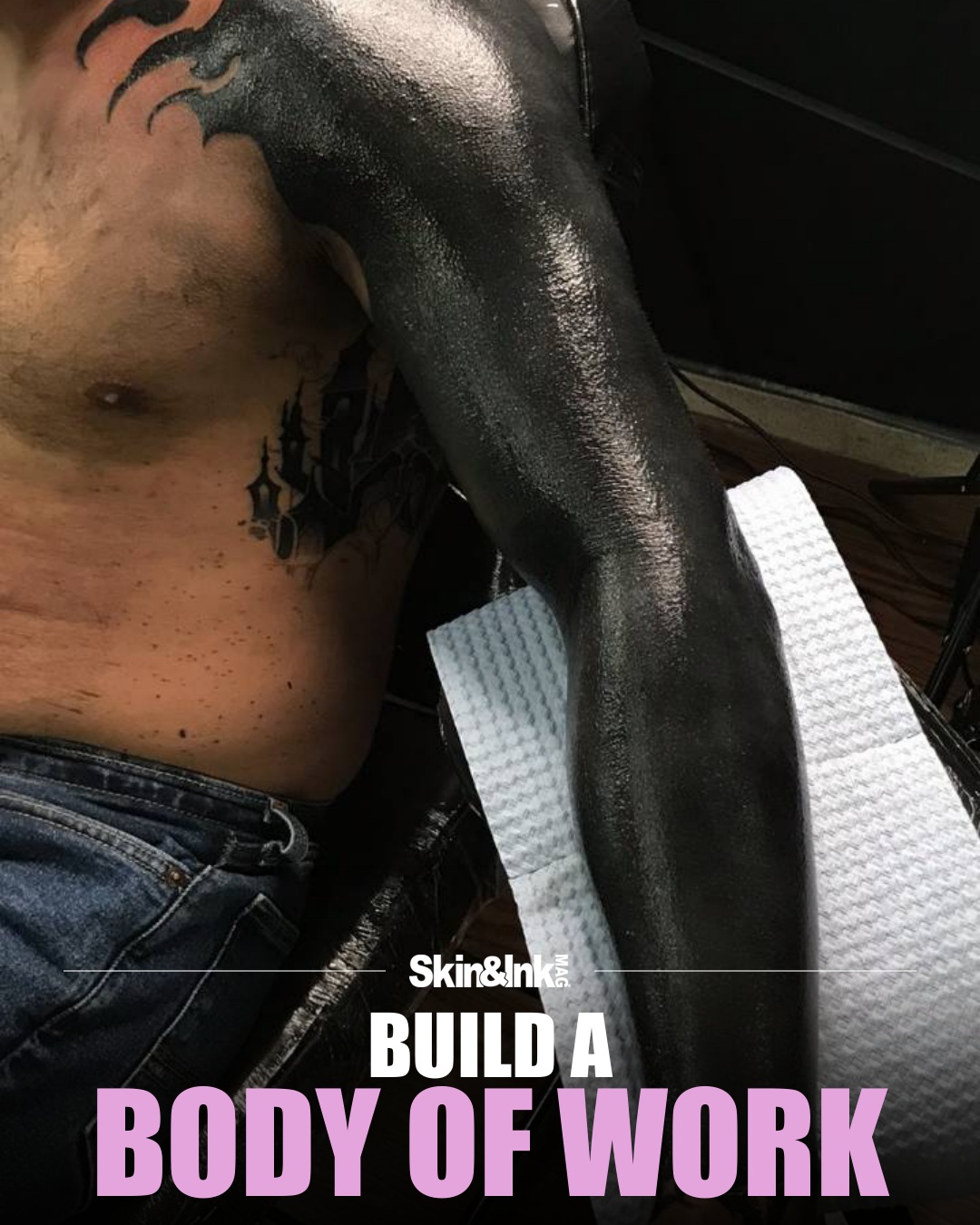
Allow your taste to develop. Cohesion can come from a visual style, a shared palette, or simply the fact that these are the pieces you chose. A body of work does not have to explain itself to every stranger. Build it at a pace that lets curiosity remain enjoyable and consent remain clear. Empty skin can wait until the right work arrives.