Words: Skin & Ink Editorial Staff
Ink regulation can sound abstract until a familiar color disappears from a supplier’s catalog or a bottle arrives with a different label. Artists then face an immediate practical question: what can be used, where, and on what evidence? A useful answer begins with jurisdiction and the exact product, rather than a sweeping claim that tattoo ink is either fully approved or completely unregulated.
In the United States, the FDA oversees tattoo inks as cosmetics, while state and local authorities oversee tattooing practice. Those are different responsibilities. A studio license is not a certification of every bottle in the studio, and a product’s availability for sale is not a guarantee against adverse reactions.
Different markets have different requirements
The European Union’s REACH restriction on substances in tattoo and permanent-makeup inks took effect in January 2022, with provisions and transition periods specified in the regulation. The Finnish Safety and Chemicals Agency explains the restriction and where businesses can seek ingredient information. Artists working across borders should check the current requirements of the destination instead of assuming their usual stock is compliant everywhere.
A label mentioning compliance needs to identify the relevant rules. Ask suppliers which formulation and market the claim covers. Keep documentation associated with the product actually purchased. A photograph of a similar bottle, an old announcement, or a distributor’s verbal reassurance may not answer a question about the current lot in your hand.
Transparency should reach the appointment record
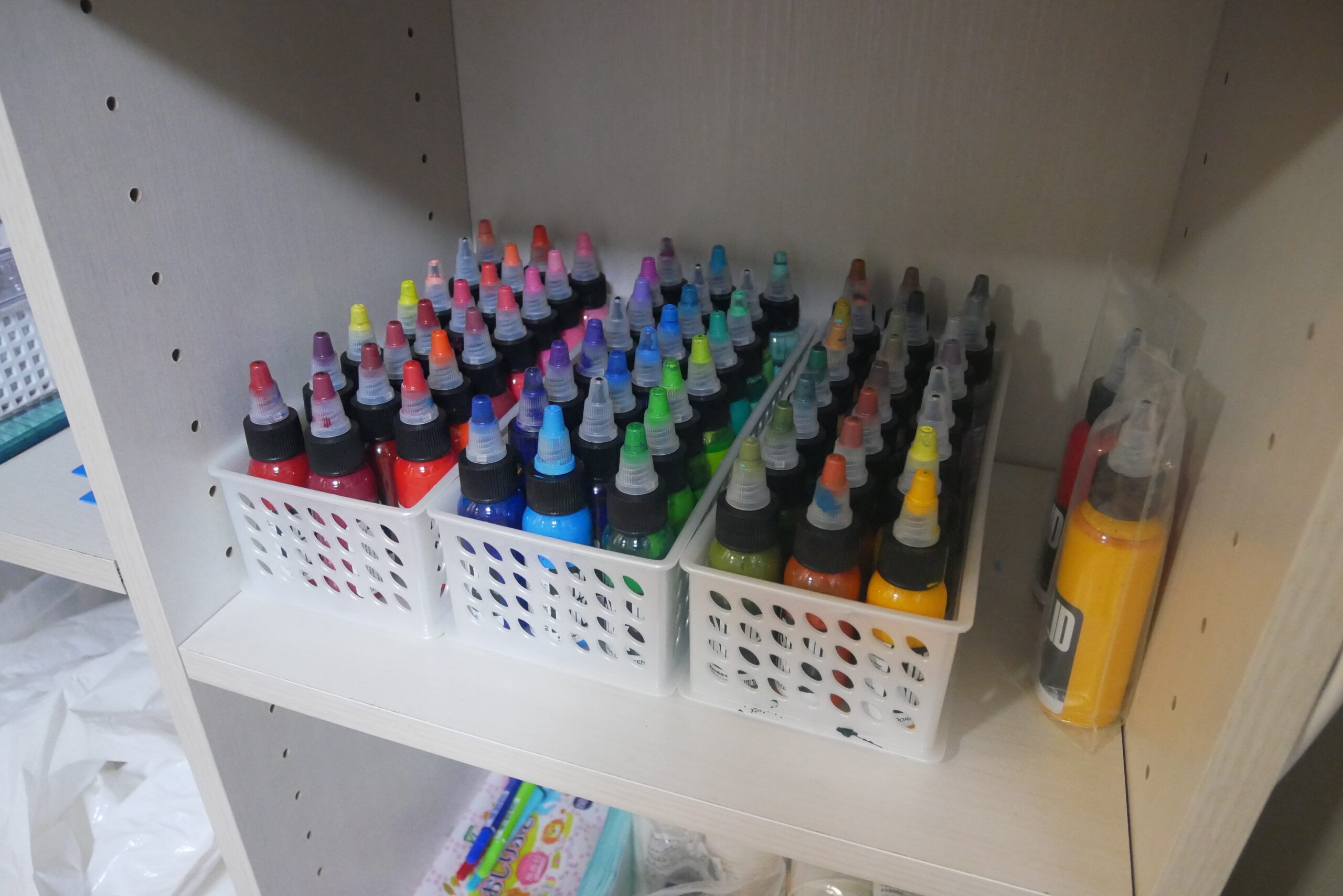
Studios benefit from treating product information as part of their working records. Preserve manufacturer names, colors, batch identifiers, supplier invoices, and available technical documentation in an organized form. This is more useful than collecting paperwork that nobody can connect to an appointment when a question arrives.
Clients can ask what will be used without demanding that an artist provide a toxicology lecture. A reasonable answer identifies the products and explains how the studio obtains and tracks them. Medical concerns belong with qualified clinicians; regulatory questions may require the relevant authority or manufacturer. Knowing where an answer should come from is itself a professional skill.
Avoid both marketing shortcuts and panic
Words such as “natural,” “vegan,” or “premium” describe particular claims, not a complete safety assessment. Ask what each claim means. An ethical sourcing preference, a performance characteristic, and a health claim should not be folded into one reassuring adjective. The same discipline applies to alarming posts that announce a blanket ban without naming the rule or affected substances.
The useful direction for the industry is clearer information that can travel from manufacturer to distributor to artist to client. Artists need workable formulations and honest documentation. Clients need understandable explanations and a way to obtain product details if something goes wrong.
Regulation will continue to change, and this overview cannot replace current local compliance advice. The durable practice is simple: identify the jurisdiction, identify the product, read the actual requirement, and keep a traceable record. That gives a studio a stronger foundation than either a slogan or a rumor.
Sources