Words: Skin & Ink Editorial Staff
A religious tattoo begins with a decision about belief, but it also involves language, interpretation, family, and the person being asked to draw it. A cross, a verse, or a sacred figure can mean devotion to one wearer and something very different to another. The artist's first job is to understand the request without pretending to settle the theology behind it.
There is no useful universal answer to whether religion allows tattoos. Traditions have their own texts and authorities, and people within them may understand those sources differently. A studio consultation cannot replace a conversation with a trusted religious adviser. It can make sure the client has space to have that conversation before committing.
Read more than the slogan
Leviticus 19:28 is one text frequently brought into tattoo discussions. The United States Conference of Catholic Bishops' published translation contains a prohibition on tattooing. Identifying the verse is straightforward. Deciding how it applies within a person's present-day religious life requires a broader interpretive discussion than an image caption can provide.
For a client experiencing uncertainty, the answer should not be pressure from either side of the counter. Pause the appointment if needed. Find the relevant source in a reliable edition, ask questions within the community, and separate a personal decision from the desire to win an argument online. A permanent mark is a poor deadline for resolving a spiritual disagreement.
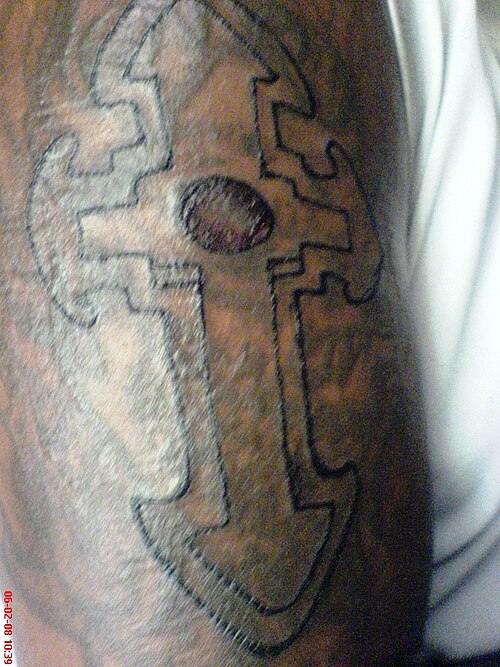
Artists should be equally careful about unfamiliar imagery. Knowing how to render a symbol does not establish knowledge of its meaning or appropriate use. Ask what the client intends, where the reference came from, and whether a specific depiction or placement carries significance that should be discussed with someone knowledgeable.
Accuracy is part of respect
Text creates avoidable problems when it is treated as decoration alone. Have the client verify the exact passage, translation, punctuation, and spelling they want. For a language neither client nor artist reads, consult a competent human reader rather than trusting an attractive screenshot or an automatic translation. A second check is cheaper than correcting a sentence in skin.
Do not assume that all versions of a sacred image are interchangeable. Ask which visual tradition the client is referring to, and establish whether the reference is a particular artist's protected work. A thoughtful original composition can honor a subject without copying another maker's drawing line for line.
Leave room for the person
A tattoo associated with faith may be public testimony, private remembrance, or a complicated relationship with a former community. The wearer does not owe the studio a confession. Avoid assigning motives that were never offered, and ask separately before attaching a personal account to a portfolio photograph.
The strongest religious tattoo is not necessarily the largest or most literal. It is one chosen with understanding, rendered with care, and placed with the wearer's informed agreement. Respect in this setting is practical: accurate words, honest limits, patient conversation, and enough freedom to decide that waiting is the right choice.
Sources