Words: Skin & Ink Editorial Staff
A photograph of a tattoo made in prison often arrives with a promise: here is a code that will reveal everything about the person wearing it. The promise is convenient for a viewer and unfair to the subject. A body cannot be reduced to a chart of symbols, especially when the circumstances in which a mark was made are missing.
Responsible coverage begins with the person rather than the shock value of the image. Who made the tattoo? When and where was it made? What does the wearer say about it now? Which details have been confirmed, and which came from a caption copied across several websites? Without those answers, an explanation may be a guess dressed as expertise.
Consent changes the story
Voluntary artwork, coerced markings, and identification imposed by an institution belong to different histories. They should not be combined into an exotic category of prison ink. The United States Holocaust Memorial Museum's documentation of tattooed identification at Auschwitz is a reminder of how crucial that distinction is: those marks were imposed within a system of persecution, not commissioned as body art.
In contemporary reporting, the same care with agency matters. Do not assume that a tattoo proves affiliation, conviction, or a particular crime. A wearer may have chosen a design for reasons unavailable to the photographer, may have been pressured, or may understand an old mark differently today. When the evidence is incomplete, a publication should say less rather than invent a more dramatic account.
Ingenuity without instructions
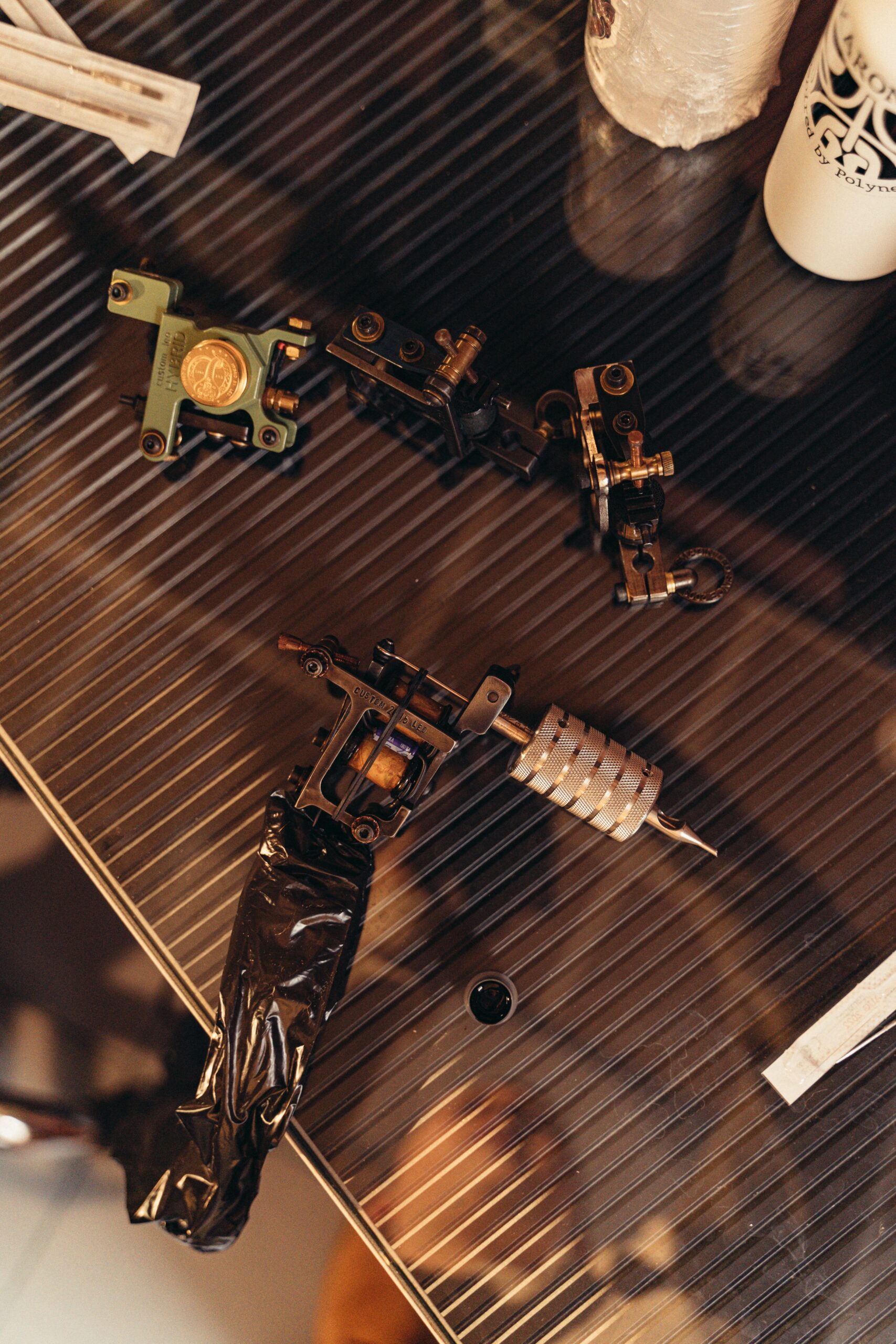
It is possible to recognize drawing, visual judgment, and resourcefulness without romanticizing unsafe conditions. Describing improvised equipment as ingenious can become misleading if it removes the risks from the picture. A magazine does not need to reproduce construction instructions or celebrate deprivation to take an artist's ability seriously.
The editorial focus can instead be on the composition, the maker's account, and the conditions under which creative choices were constrained. If a person cannot speak safely or freely, do not treat access to their photograph as permission to supply their voice. Obtain consent for publication wherever possible and make the limits of the record clear.
Life after the photograph
A tattoo may follow someone into employment, family life, and relationships long after incarceration ends. That does not give an editor the right to make a permanent public association on their behalf. Consider whether naming a person, identifying a location, or reproducing a recognizable mark is necessary to the story.
A cover-up or removal decision also belongs to the wearer. Some may want to preserve the artwork; others may want distance from the period it represents. Avoid turning either choice into a test of authenticity or redemption. A tattoo artist can discuss technical possibilities without demanding a life story in exchange.
The work deserves to be seen without reducing its wearer to an object of fascination. That requires slower captions, better questions, and the discipline to distinguish a documented fact from a compelling rumor. Looking carefully should leave a person more fully understood, not more efficiently categorized.
Sources
United States Holocaust Memorial Museum, Tattoos and Numbers