Words: Skin & Ink Editorial Staff
A new tattoo machine arrives with a polished case, an impressive specification sheet, and a promise that work will feel different. It may. The useful question is what difference survives a full working day. Better technology should earn its place through the problems it solves, rather than the attention it attracts.
That standard applies well beyond machines. Design software, booking systems, consumables, and imaging tools all belong to the same practical test: do they help the artist make sound decisions and deliver a reliable service?
Test the instrument in context
A machine's weight means little without considering its balance, grip, battery, and the position in which it is used. A feature that suits one artist's routine may add friction to another's. Evaluate equipment against the intended work and the manufacturer's instructions instead of treating another artist's preferred settings as a transferable formula.
Cleaning, barrier use, servicing, and replacement parts belong in the purchasing decision. Find out how the equipment is meant to be maintained and what happens when a component fails. A tool that is convenient on a good day can become expensive when its only repair option interrupts a week of appointments.
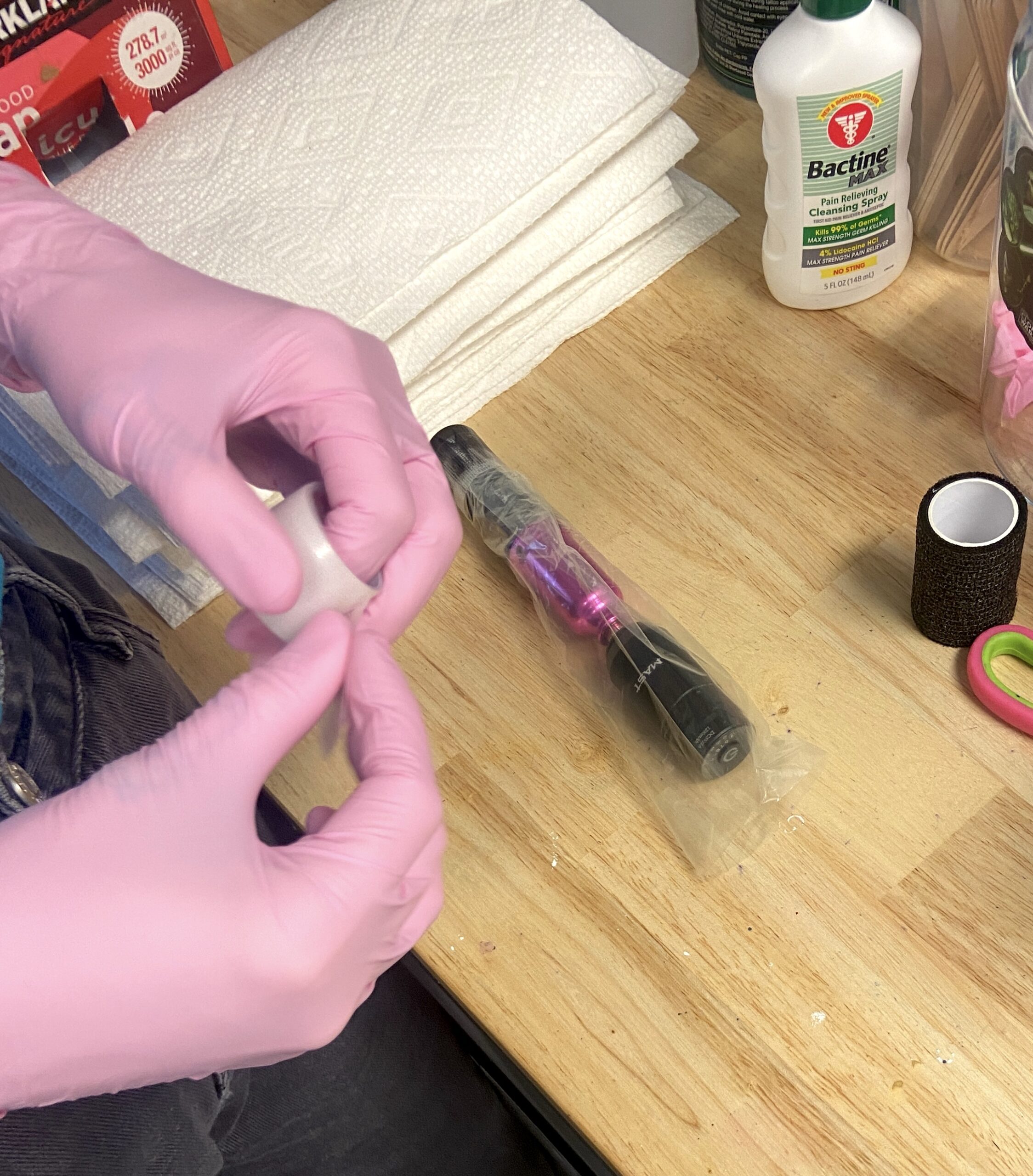
New consumables deserve the same skepticism. Packaging and marketing should not replace traceable product information. Keep the records needed to identify what was used if a problem arises. The FDA's tattoo guidance documents ink-related safety concerns and recalls, a reminder that the bottle's appearance cannot establish its safety.
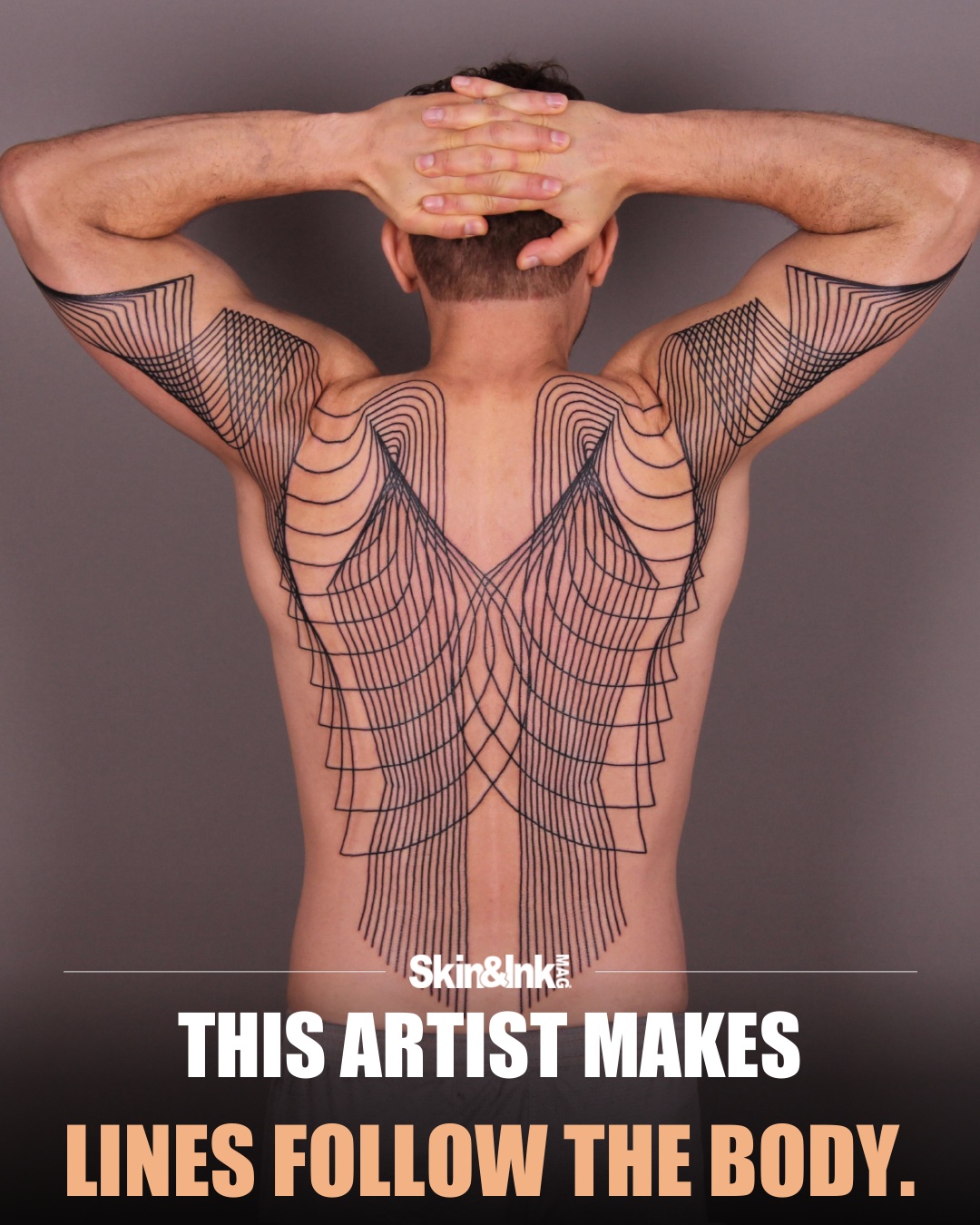
Keep the drawing attached to the body
Digital previews can make a conversation more concrete. An artist and client can compare scale or placement before committing to a stencil. But a convincing image on a screen is still a proposal. It cannot guarantee how the finished tattoo will look while the person moves or how it will age.
Generative tools make that distinction more important. A persuasive rendering can contain detail that cannot reasonably survive at the requested size. Artists should review the source and permitted use of references, avoid passing off another maker's work as their own, and be clear about a process when it affects the client's expectations. The final design still requires accountable human judgment.
Ask what a claim actually proves
A product demonstration shows a product under selected conditions. It does not necessarily establish durability, safety, or superiority over another method. Look for the relevant evidence, and separate an independent evaluation from a seller's presentation. An unfamiliar technical phrase is a reason to ask a precise question, not a reason to stop asking questions.
The same caution applies when medical or wearable-device research is described as a tattoo breakthrough. A research concept should not be advertised as an available studio service without verifying what exists, who can use it, and what approvals or evidence are required.
Useful progress may be unglamorous: fewer booking errors, clearer records, a more comfortable setup, or a repair that does not take the studio offline. Those improvements deserve attention because they support the work long after a launch video disappears. The best tool leaves the artist better equipped to notice what the client and the tattoo actually need.
Sources