Words: Skin & Ink Editorial Staff
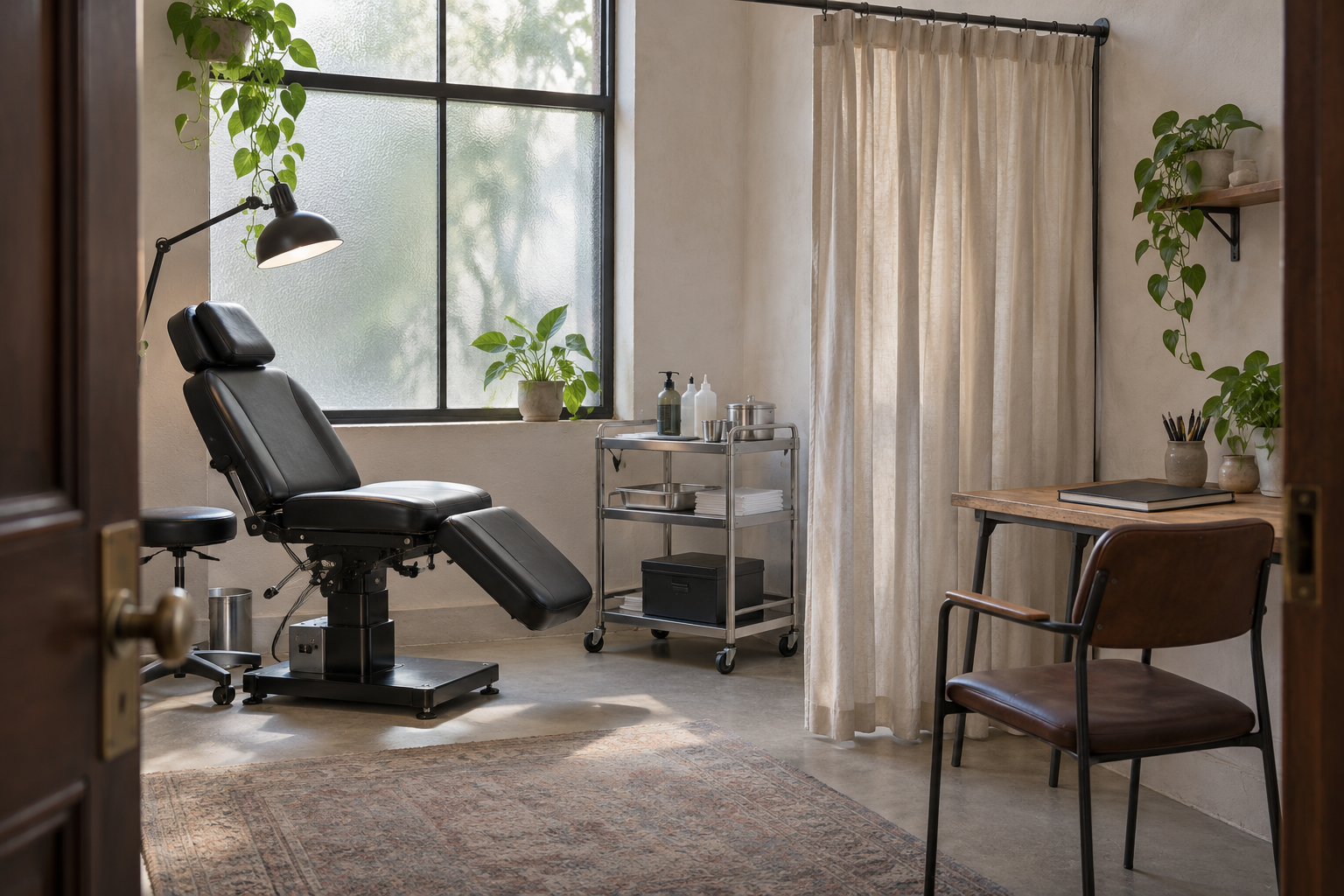
A private studio changes the social shape of an appointment. There may be no walk-in counter, no neighboring conversation, and no need to explain a sensitive project within earshot of strangers. For some collectors and artists, that quieter arrangement is exactly what allows the work to happen comfortably.
It also raises practical questions. How does a new client discover the artist? Who offers a second opinion when a drawing is not working? Where does a developing tattooer encounter approaches beyond their own? The answers depend less on the word private than on how the studio operates.
Privacy should be concrete
Ask what a private appointment actually means. Will other staff or clients be present? Is the working area visible from elsewhere? What are the arrangements for a support person, clothing changes, and photography? Clear answers are more helpful than a general promise of an exclusive experience.
An appointment-only process should also explain how to make first contact. A client should not need insider knowledge to learn the artist’s location, interests, price structure, or booking requirements. A concise website or booking guide can make a quiet studio accessible without turning it into a walk-in business.
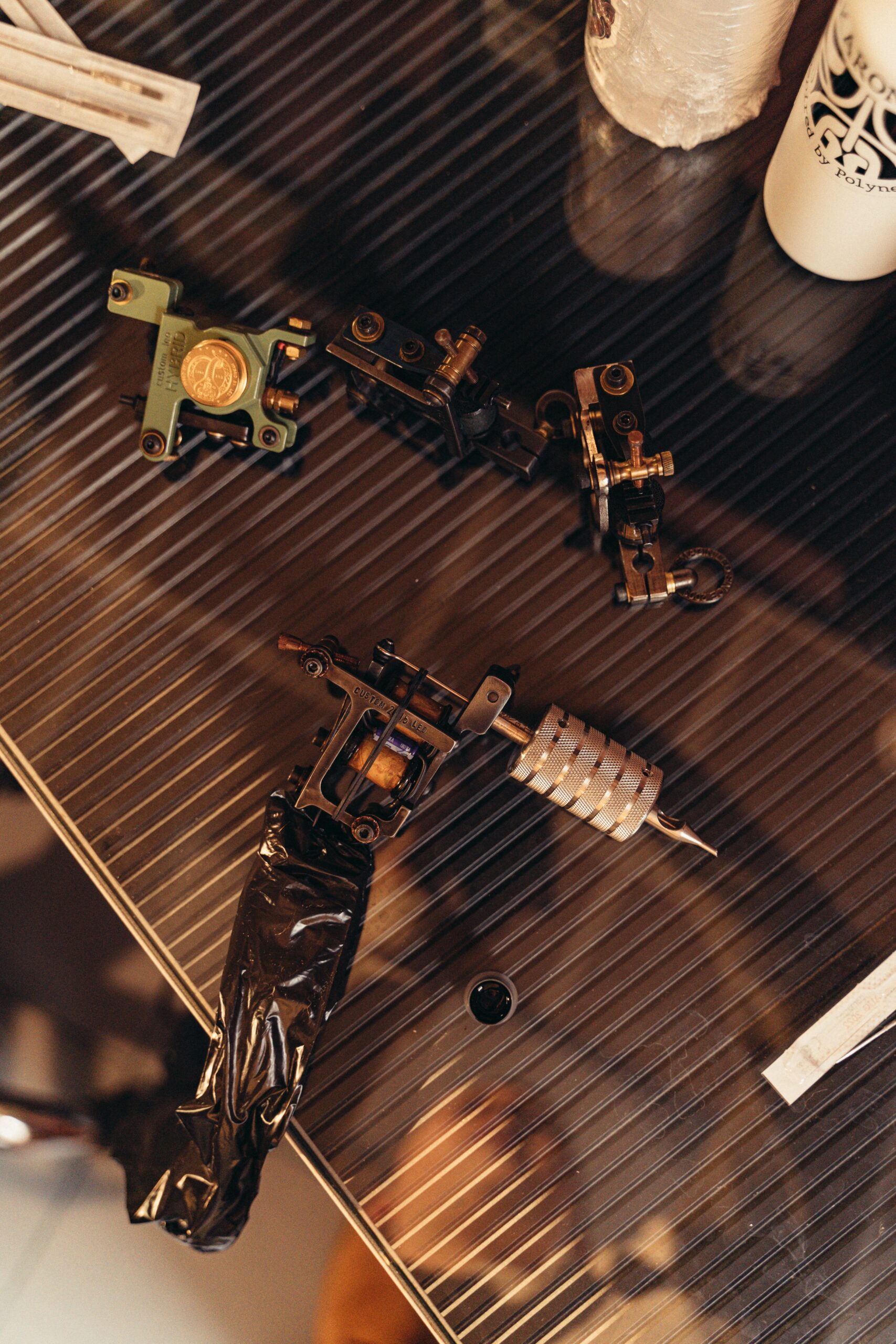
Private should never be used as a synonym for exempt from professional obligations. A collector can ask how the studio addresses applicable local requirements and what its normal safety and consent procedures involve. An attractive room and a locked door do not answer those questions on their own.
Build peer contact deliberately
A shared shop creates opportunities for informal observation. Artists may see a colleague solve a placement problem, hear how a consultation is handled, or discuss a drawing between appointments. Working alone changes access to those moments. It does not make learning impossible, but it can require more intentional effort.
Critique groups, professional friendships, guest spots, and continued education can offer different forms of exchange. The important point is to create room for honest feedback, not merely another setting for promoting finished work. An artist benefits from someone who can question a decision before a client has to live with it.
Independence also means deciding who covers tasks that a larger studio might share. Booking, purchasing, cleaning schedules, recordkeeping, and client follow-up still require attention. A small operation works best when those responsibilities have a clear place in the week rather than competing invisibly with every drawing session.
Culture is a practice, not a floor plan
A communal shop can be generous or exclusionary. A private studio can be connected or isolated. Neither layout guarantees mentorship, respect, or creative ambition. Those qualities emerge from repeated choices about how people are treated and how knowledge is shared.
Collectors do not need to choose a side in an argument about which model represents the real industry. They need a setting that supports the work and a professional relationship they can understand. Artists can make that choice easier by describing the actual experience rather than selling an identity.
The strongest private studio keeps the advantages of focus without treating independence as a reason to stop listening. It protects a client’s space, maintains useful connections, and gives good work a sustainable place to happen.