Words: Skin & Ink Editorial Staff
Regret is often treated as a punch line in tattoo culture. A name becomes a joke, an old design becomes evidence of poor judgment, and a stranger’s body becomes a lesson about thinking ahead. That response is easy. It also tells us very little about what the wearer actually dislikes.
A tattoo can be technically strong and emotionally unwelcome. It can represent a period the person no longer wants to display. It can have been chosen carefully and still feel wrong later. Understanding the concern starts by allowing those possibilities without requiring the wearer to confess foolishness.
Identify the source of the discomfort
Ask what you would change if there were no pressure to act immediately. The answer might concern the image, its position, its size, or the association attached to it. You may dislike the tattoo itself, or mainly dislike the conversations it attracts. Those are different problems and may suggest different choices.
There is no obligation to make the concern public. A consultation can focus on the existing work and the desired outcome. An artist does not need a detailed account of a relationship or a painful event to discuss whether a design change is possible.
Leave room for more than one response
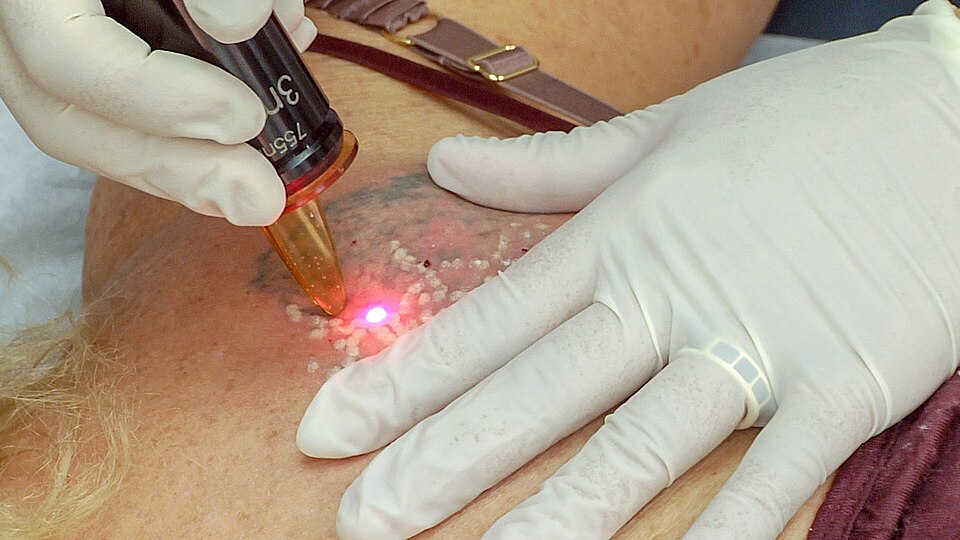
Keeping a tattoo, reworking it, covering it, exploring removal, or doing nothing for now are all possibilities to consider. They are not a ladder from cowardice to courage. A person can decide that an imperfect old tattoo has become part of their history, while somebody else can reasonably want a similar image gone.
The important question is whether the proposed next step addresses the concern. A larger replacement chosen under pressure may simply exchange one unwanted image for another. Take time to look at the proposed artwork as a tattoo you would want in its own right.
Discuss limitations without surrendering the decision
A tattoo artist can assess artistic options within their competence. A qualified medical professional can discuss removal and related risks. Neither should promise that every trace can be erased or that changing the image will resolve every feeling associated with it.
The American Academy of Dermatology advises discussing unwanted tattoos with a dermatologist and warns about potentially injurious removal kits. A private concern deserves reliable advice rather than an experiment bought from an alarming advertisement.
Improve the conversation for everyone
Artists can make consultations less intimidating by avoiding ridicule of previous work and its wearer. It is possible to discuss technical problems without turning another person’s decision into entertainment. Clear photographs and honest expectations are useful; humiliation is not.
Friends can help by asking what kind of support the person wants. They may want an opinion on a new design, company at a consultation, or simply a conversation without the familiar “I told you so.” Advice should not become another form of pressure over their body.
A tattoo records a choice, but it does not freeze the person who made it. Changing one’s relationship with that choice is not proof that the original self was worthless. The next decision deserves the same care any new tattoo would receive: clear information, realistic options, and room for the wearer to decide what comes next.
Sources