The artist also known as David Côté brings graphic control to psychedelic tattooing.
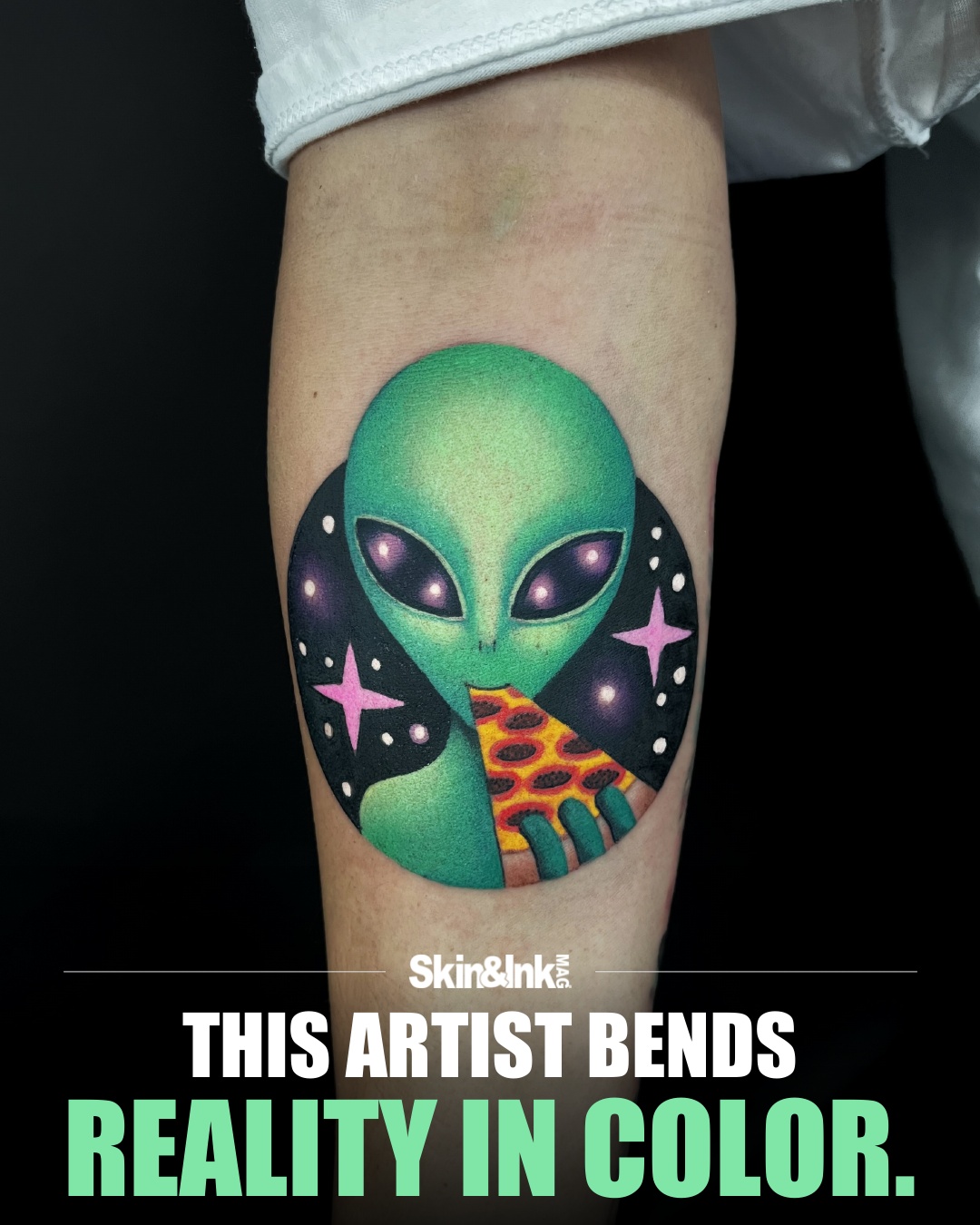
Color can make a tattoo feel loud before we have understood what we’re looking at. In David Peyote’s work, that first hit becomes an invitation to keep looking. Bright and dark passages share the same picture, while the imagery moves through a surreal register. The appeal is the tension between a design that catches quickly and a world that refuses to settle into ordinary logic.
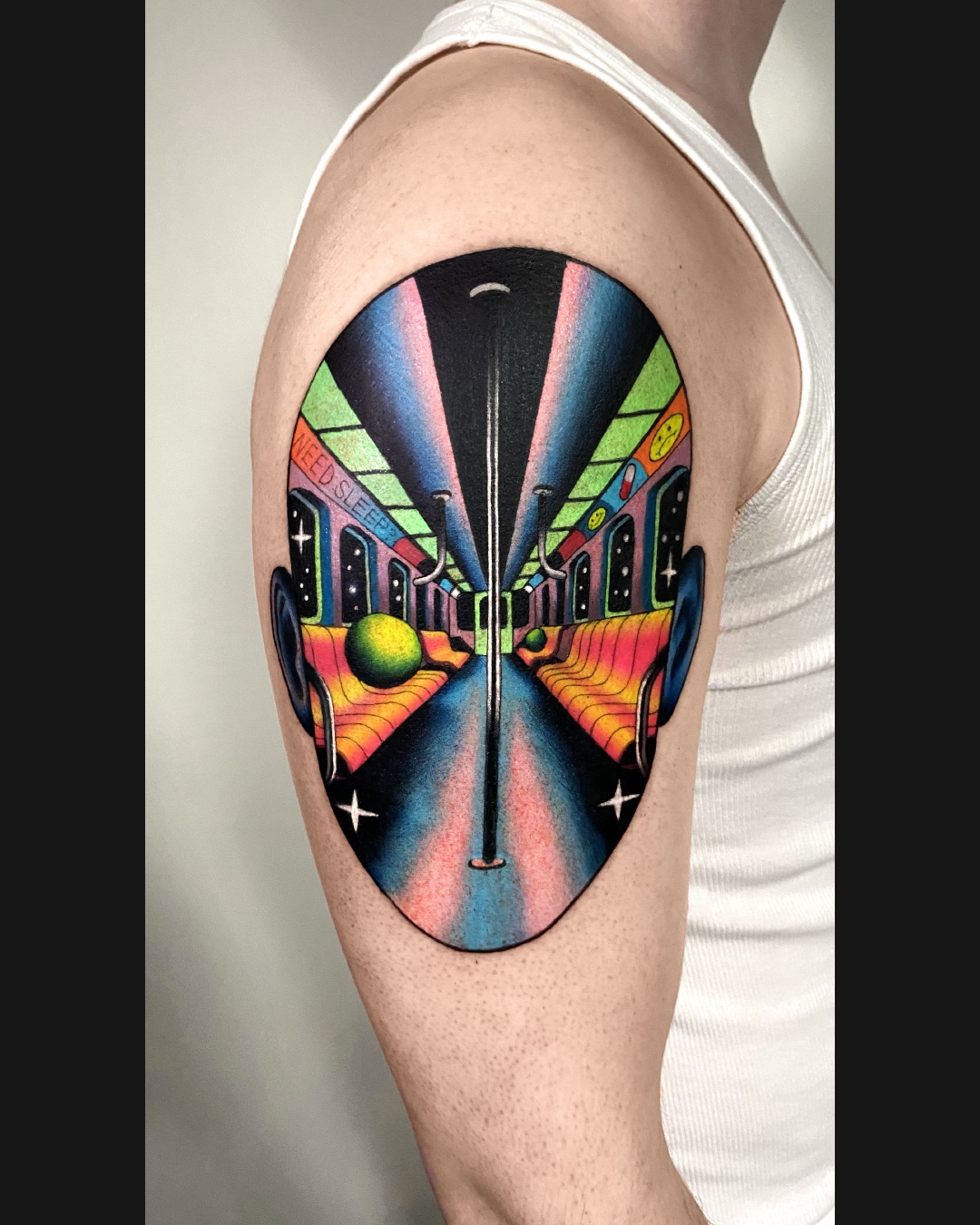
David Peyote, also known as David Côté (@thedavidcote), brings a graphic designer’s eye to that instability. Typography and grid systems were part of his early discipline, a background that makes the organization underneath the color worth a closer look.
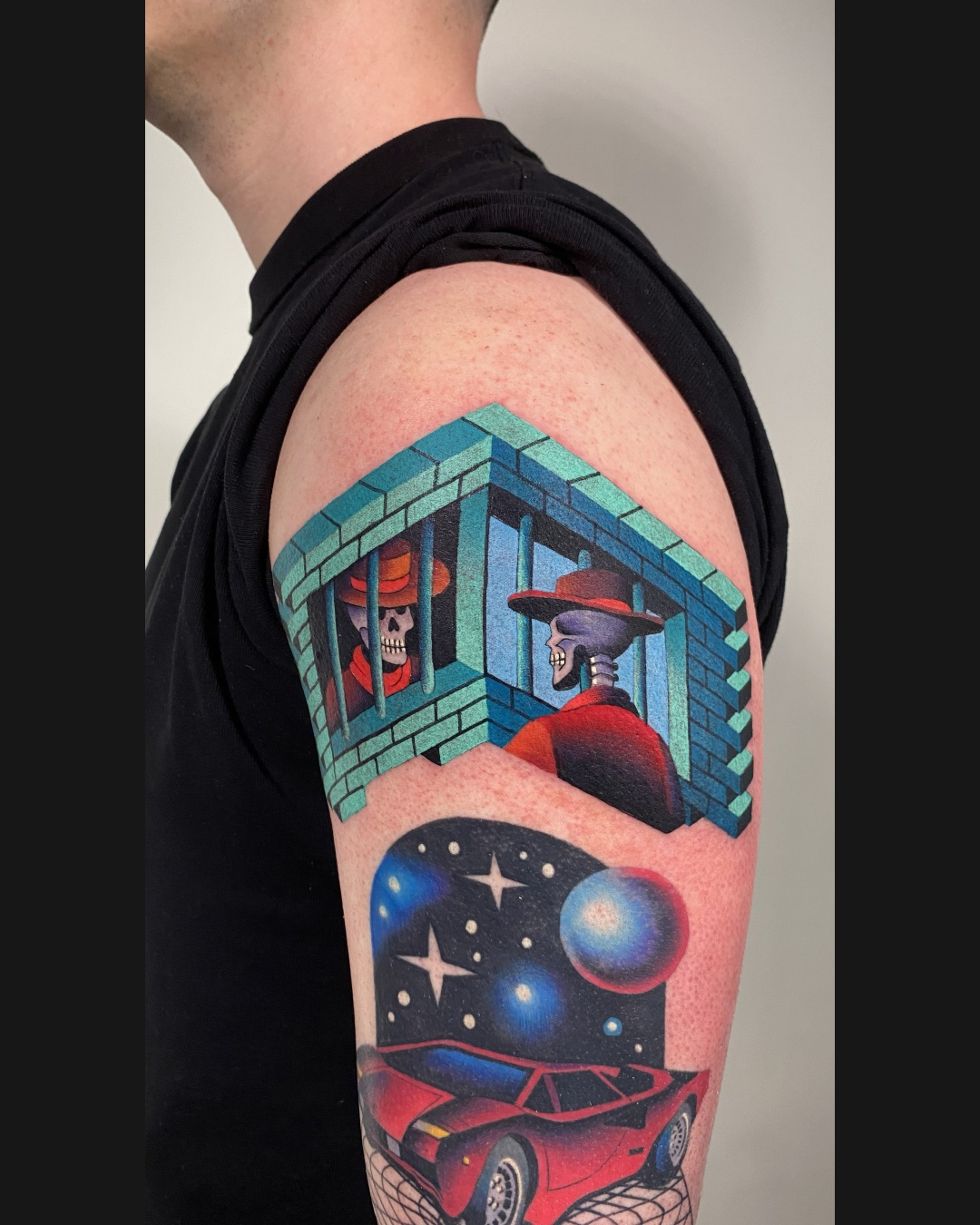
A surreal image can invite several readings at once. A surreal image still needs a visual hierarchy. The eye needs a place to enter, somewhere to pause, and a reason to move through the rest of the composition. Without that organization, a strange idea can become a pile of competing details.
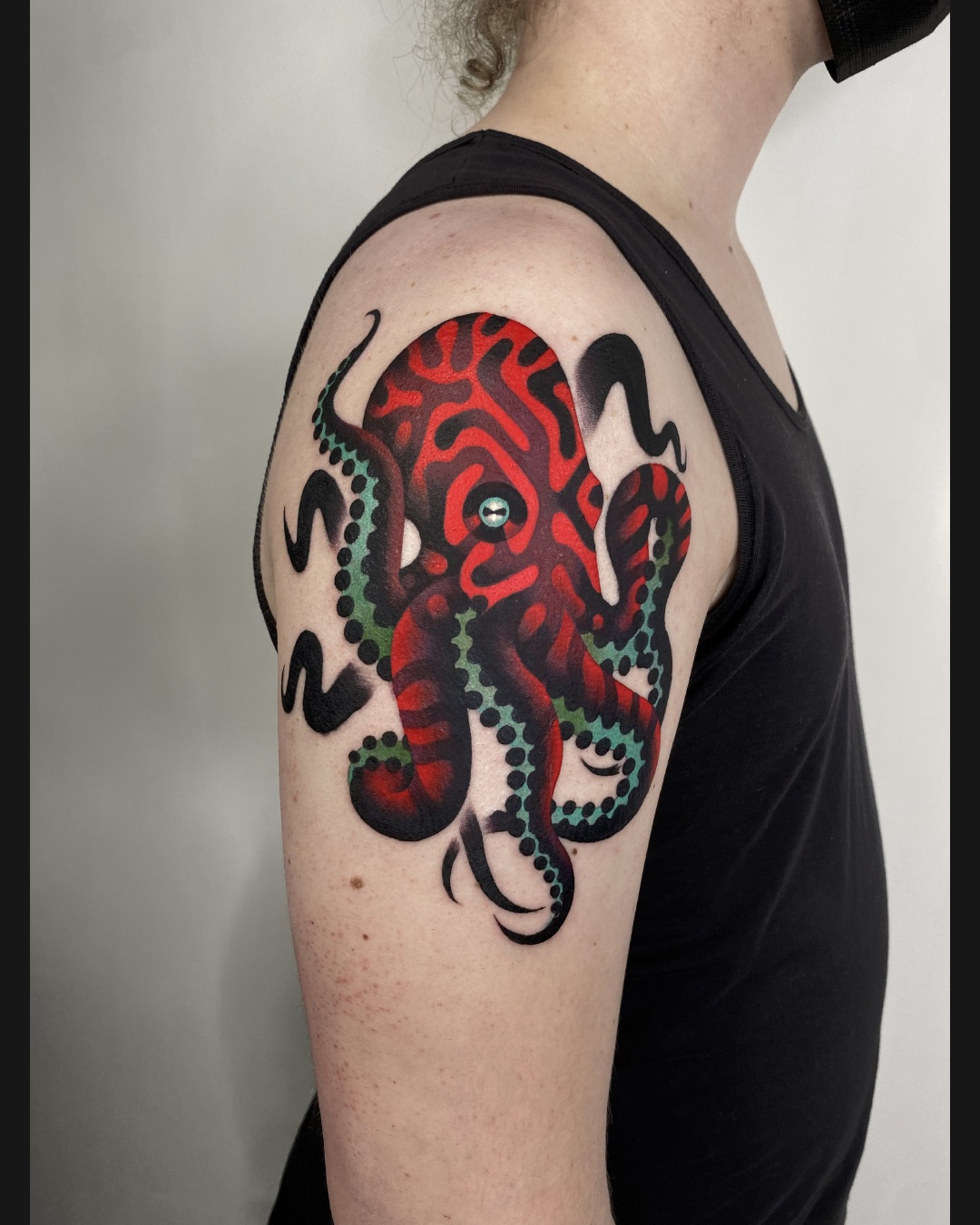
This is where psychedelic tattooing becomes especially interesting as a design problem. Saturated color can pull attention in several directions at once. Darkness can provide weight and separation. A recognizable shape can offer an anchor while the surrounding treatment loosens its connection to everyday reality. Those are tools for directing a viewer, and they help explain why this kind of work asks for more than an unusual subject.
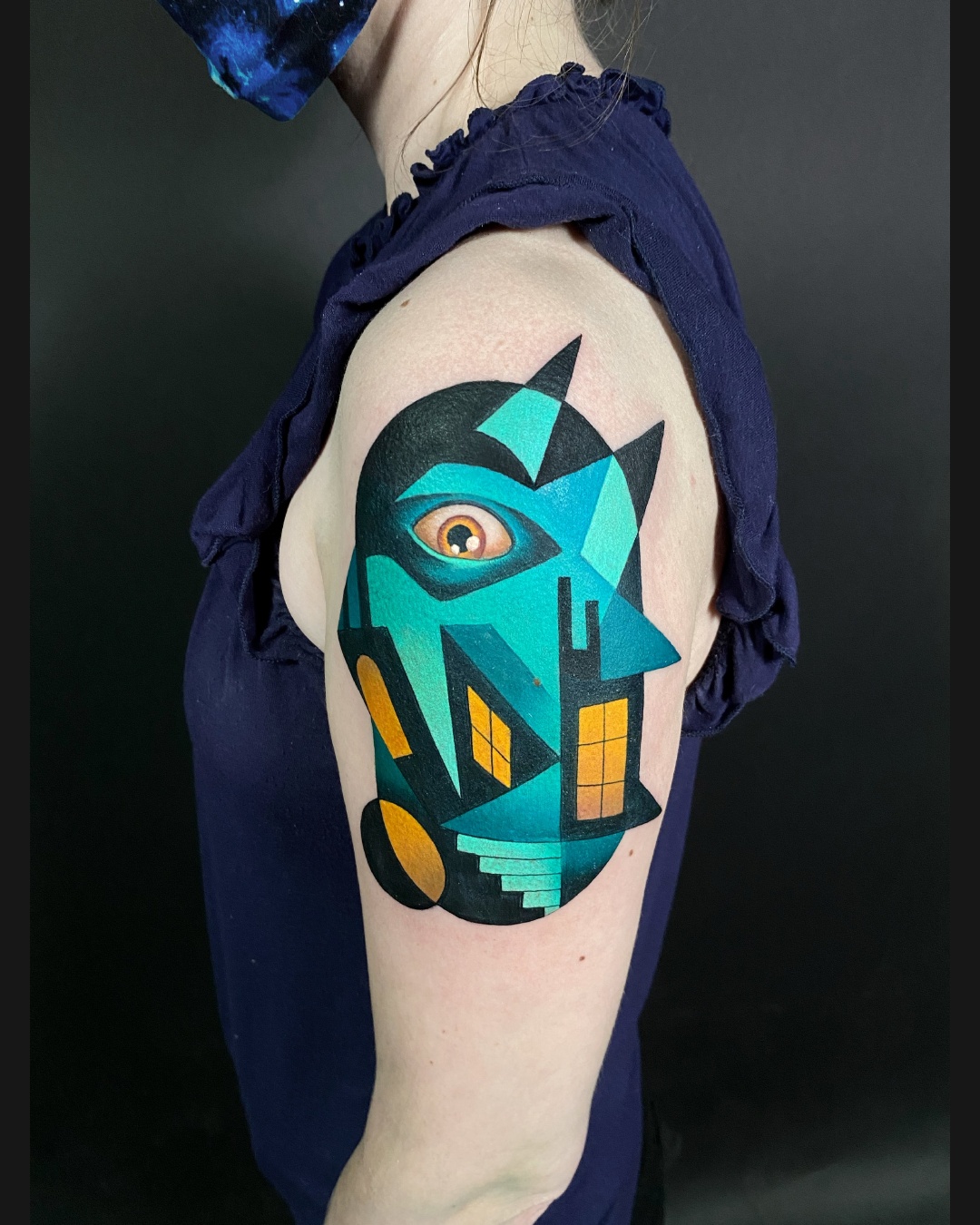
Peyote’s practice also extends beyond skin. His website groups tattoos alongside personal illustrations, album covers, and a snowboard project. Seeing those categories together invites a broader reading of the tattoo portfolio: a visual language moving between surfaces, with different demands each time. A cover sits flat. A tattoo must exist on a person who bends, moves, and lives beyond the photograph.
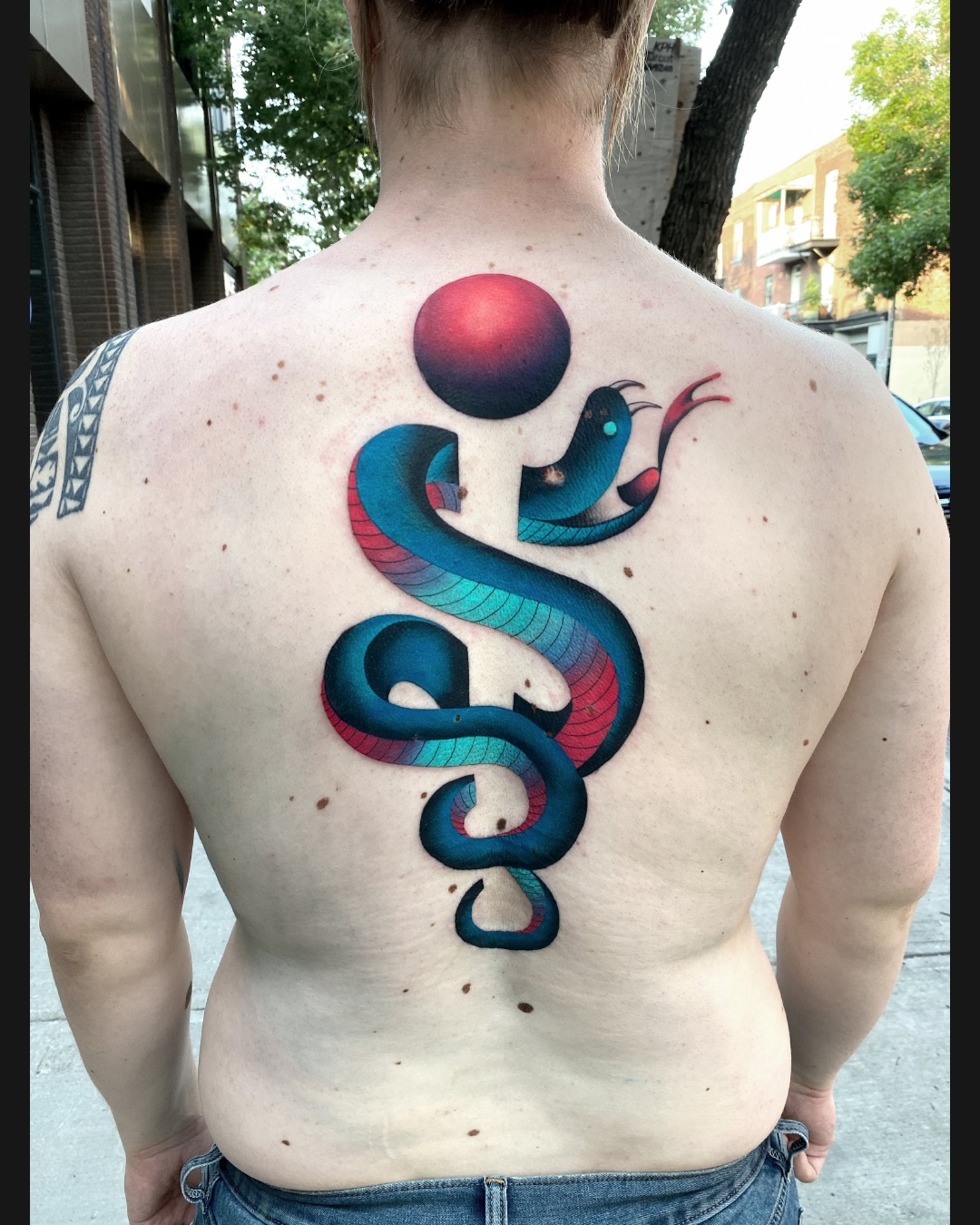
Peyote co-founded Montreal’s Velours studio with Saska in 2019. His wider creative practice gives the tattoo work a useful context: color, composition, and atmosphere travel together, even as the surface changes. On skin, a compact image must hold its own against the scale and movement of the body carrying it.
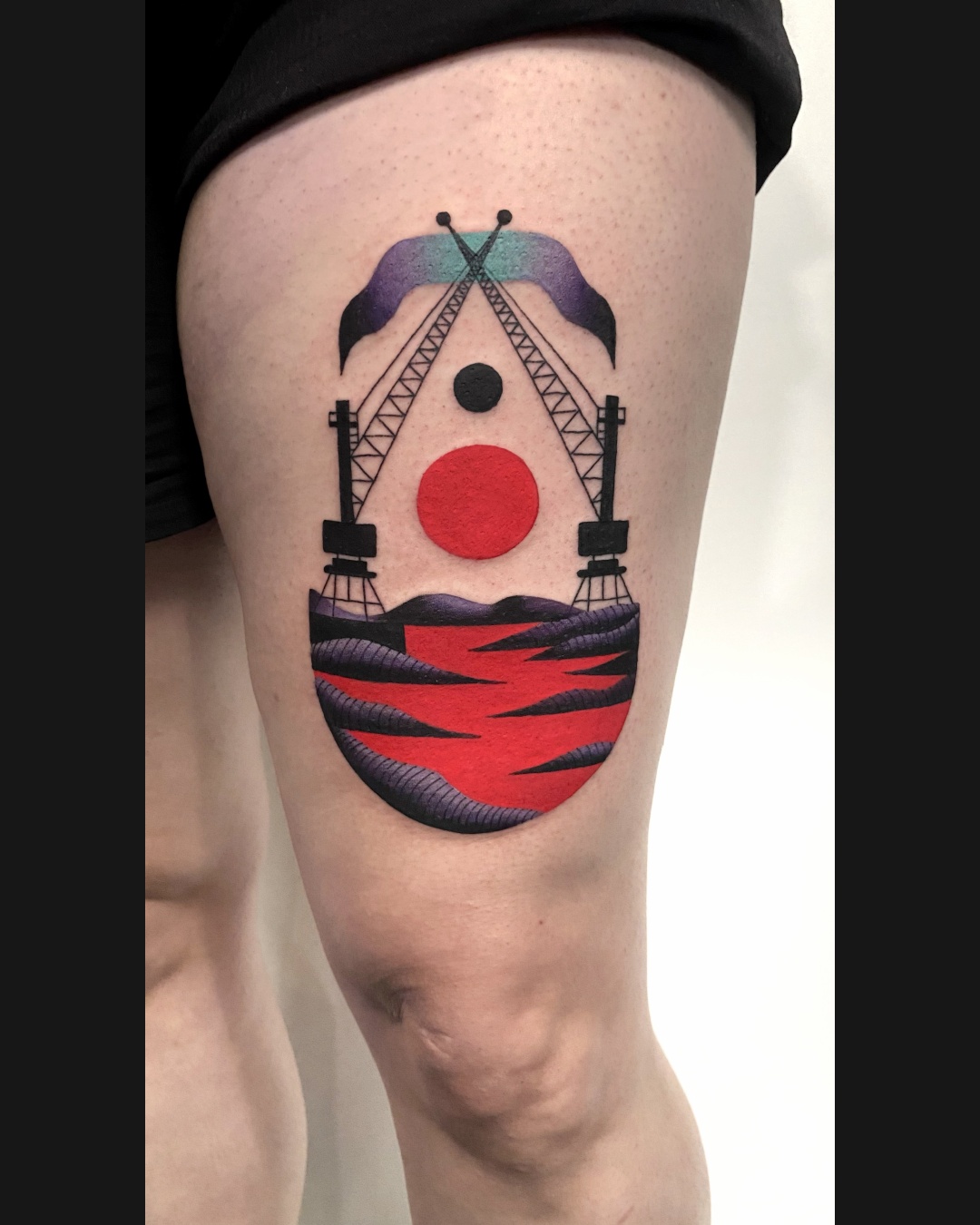
David Peyote’s best introduction is a slow look after the first color rush. Give the picture time to organize itself. There’s pleasure in discovering that something so strange can still feel deliberately built.
Explore more work on David Côté / David Peyote’s official website.