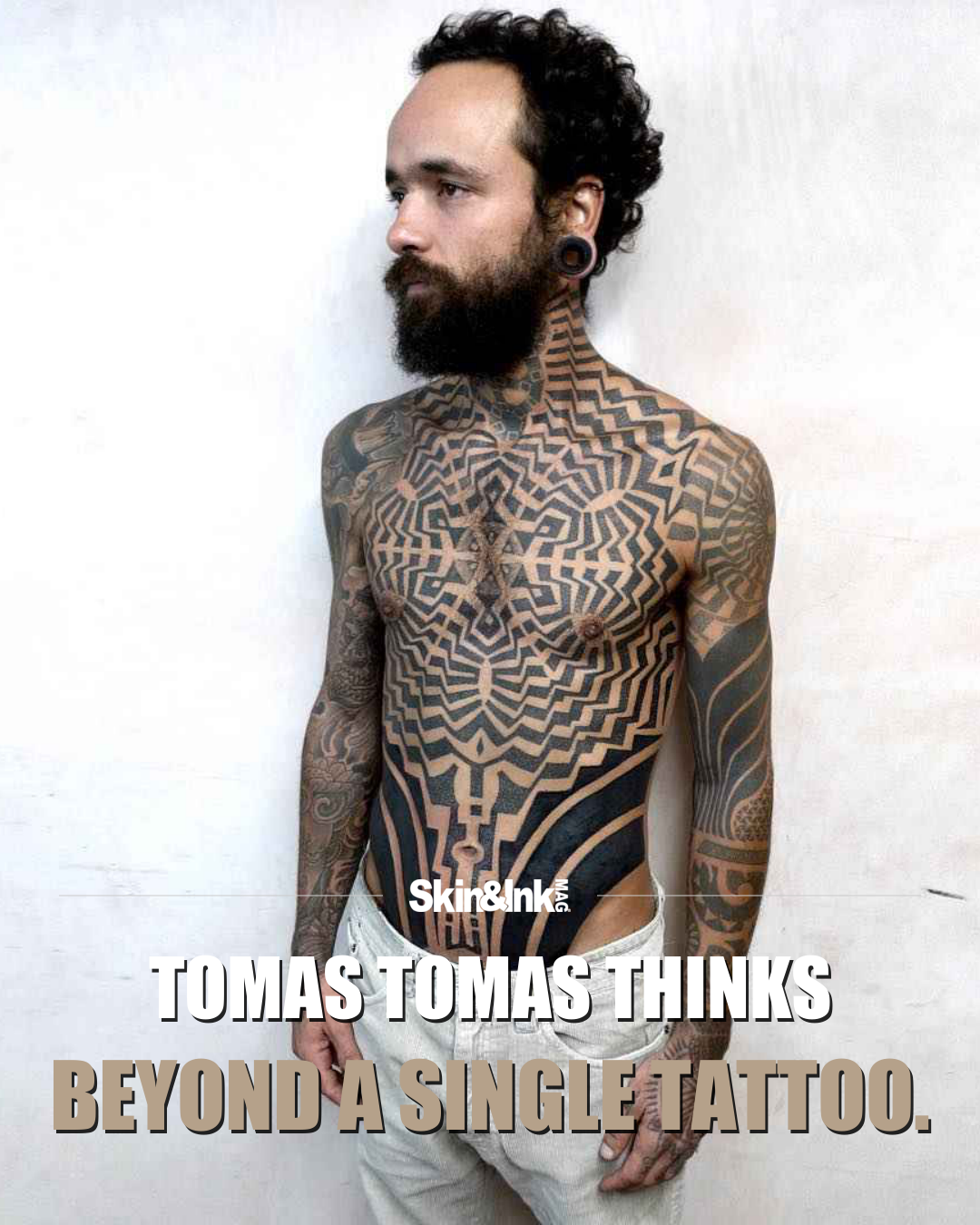
A geometric tattoo can be impressive one shape at a time. Tomas Tomas’s work asks a larger question: what happens when the pattern becomes part of the way you read the entire body? In the selected torso and back photographs, individual motifs matter, but the overall arrangement makes the first impression. The work changes the silhouette before you begin counting its details.
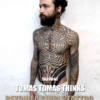
One full-torso composition creates a dense network across the chest and arms. Repeated shapes connect separate areas into a continuous surface. The eye doesn’t stop at the edge of one motif. It travels into the next, building a sense of rhythm across the body. That continuity is what makes the scale feel deliberate rather than merely extensive.
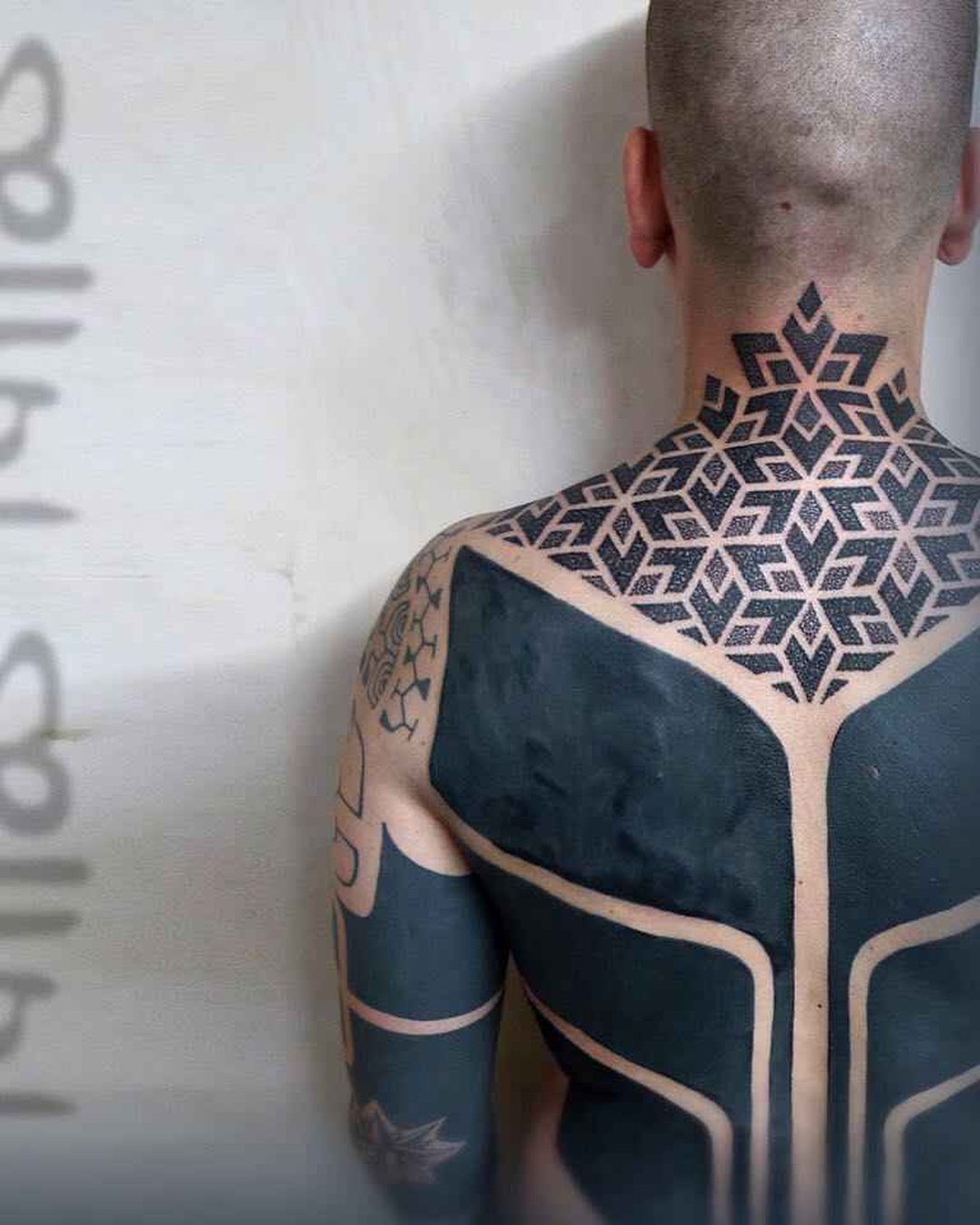
The backpieces show several ways to organize that space. A radial design establishes a clear center and expands outward. Another uses broad black areas interrupted by exposed skin. Those approaches produce very different effects. One invites the eye to follow repetition; the other makes the contrast between large shapes the main event. Both depend on how the design meets the wearer’s proportions.
Negative space is particularly important in the heavier blackwork. It isn’t leftover background. A clean strip of skin can separate two masses, redirect a curve or help establish symmetry. Because the contrast is so strong, a relatively small uninked area can influence the whole composition. Looking only at the amount of black misses half of the design.
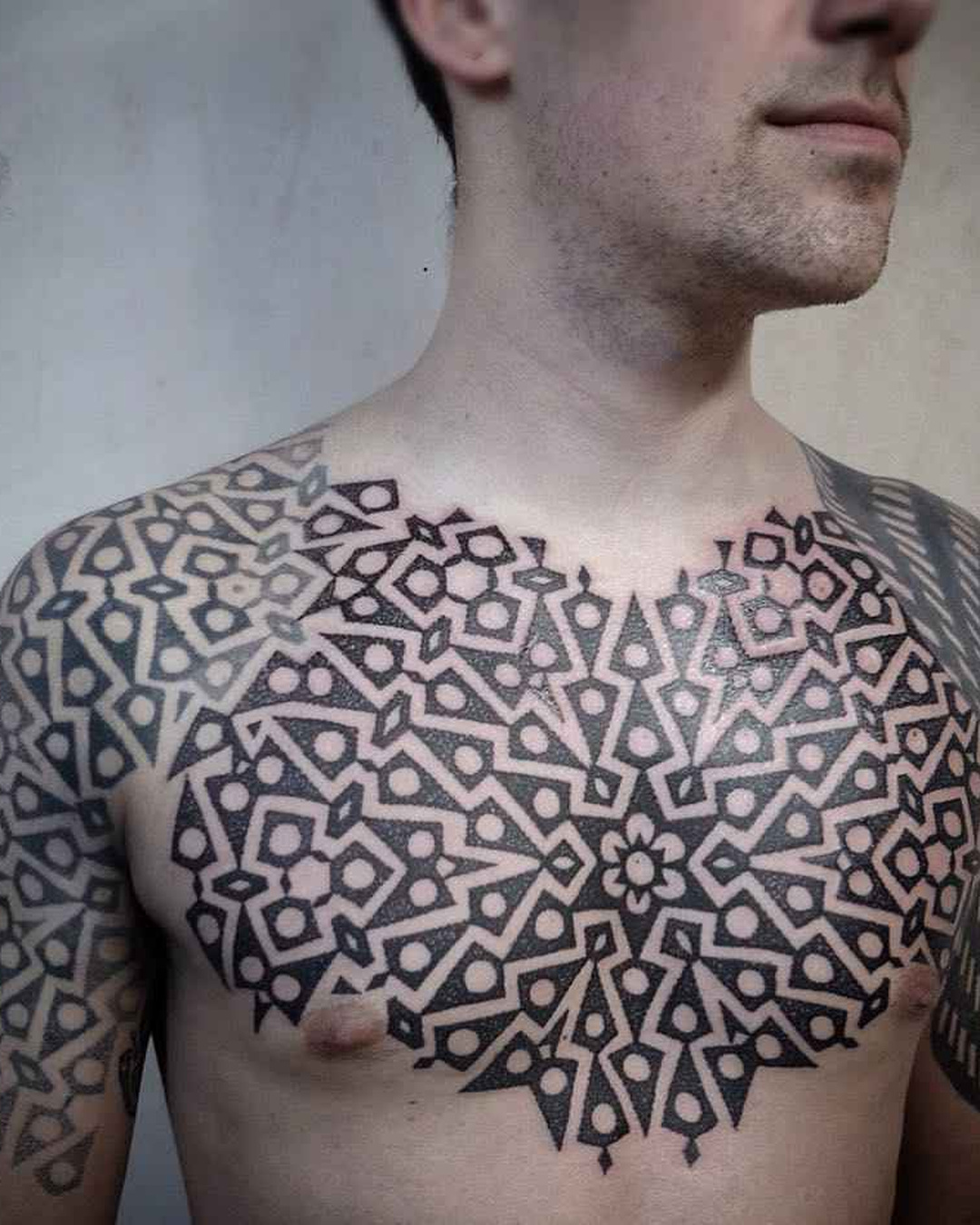
The smaller shoulder and chest pieces in the selection offer a useful comparison. They show that the same attention to pattern and placement can operate without covering the entire body. The perimeter becomes especially important at that scale. It determines whether the work feels attached to the area or merely placed over it.
In a 2021 Gain interview, Tomas discusses the importance of seeing the person as a whole rather than treating each tattoo as an isolated image. The photographs give that idea a visible form. The compositions respond to shoulders, spine, waist and the relationship between front and back. A flat drawing may provide a pattern, but it can’t supply every answer about how that pattern should occupy a person.
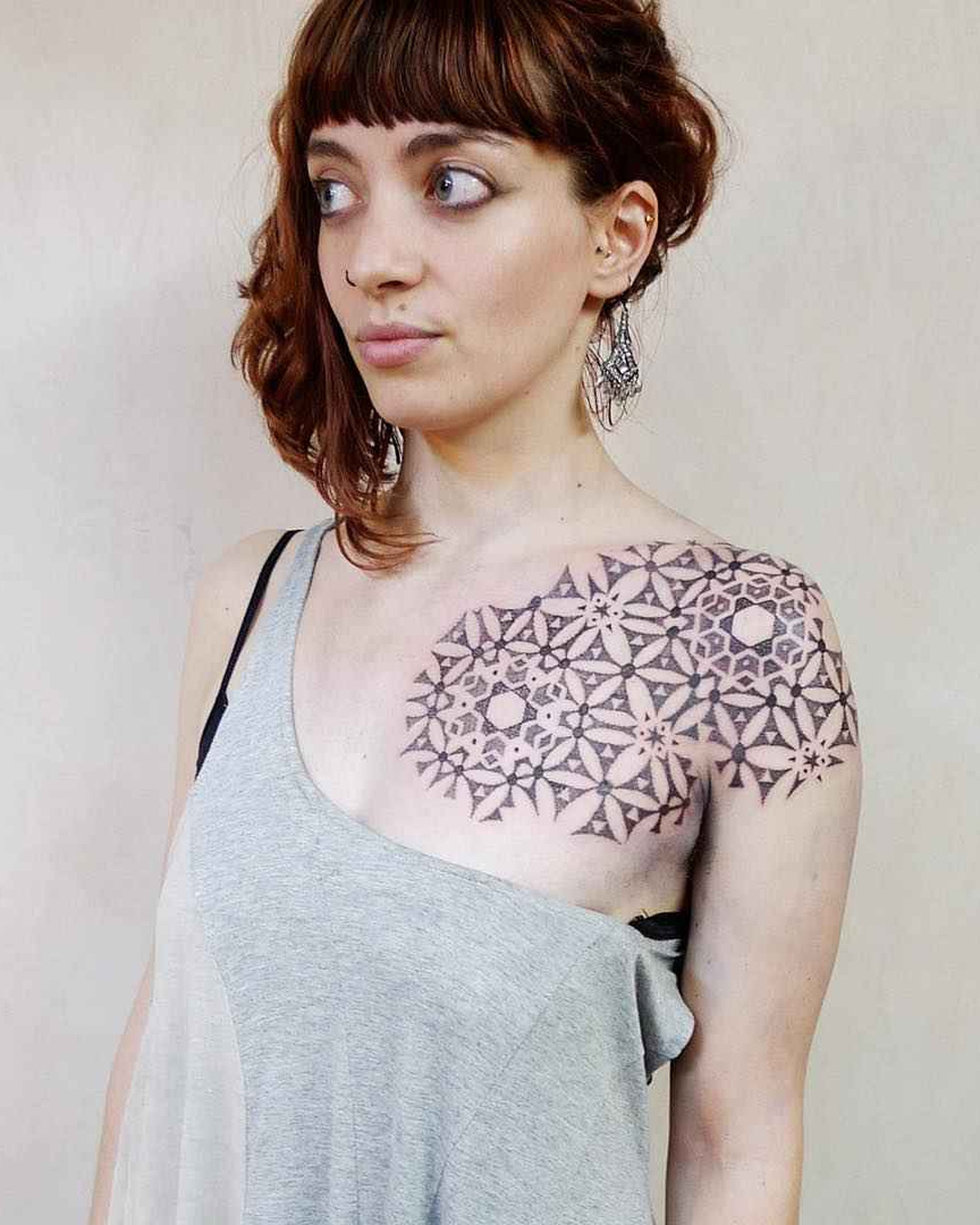
This carousel brings together different examples rather than repeating one large project from multiple angles. The point is to show the range of compositional decisions inside a recognizable blackwork language. Dense repetition, broad contrast and open skin all have a role. Tomas Tomas’s work is compelling because it makes those decisions legible at more than one distance. Step closer and there’s a pattern to examine. Step back and the body itself becomes the image.
Explore more from Tomas Tomas on Instagram.