Words: Skin & Ink Editorial Staff
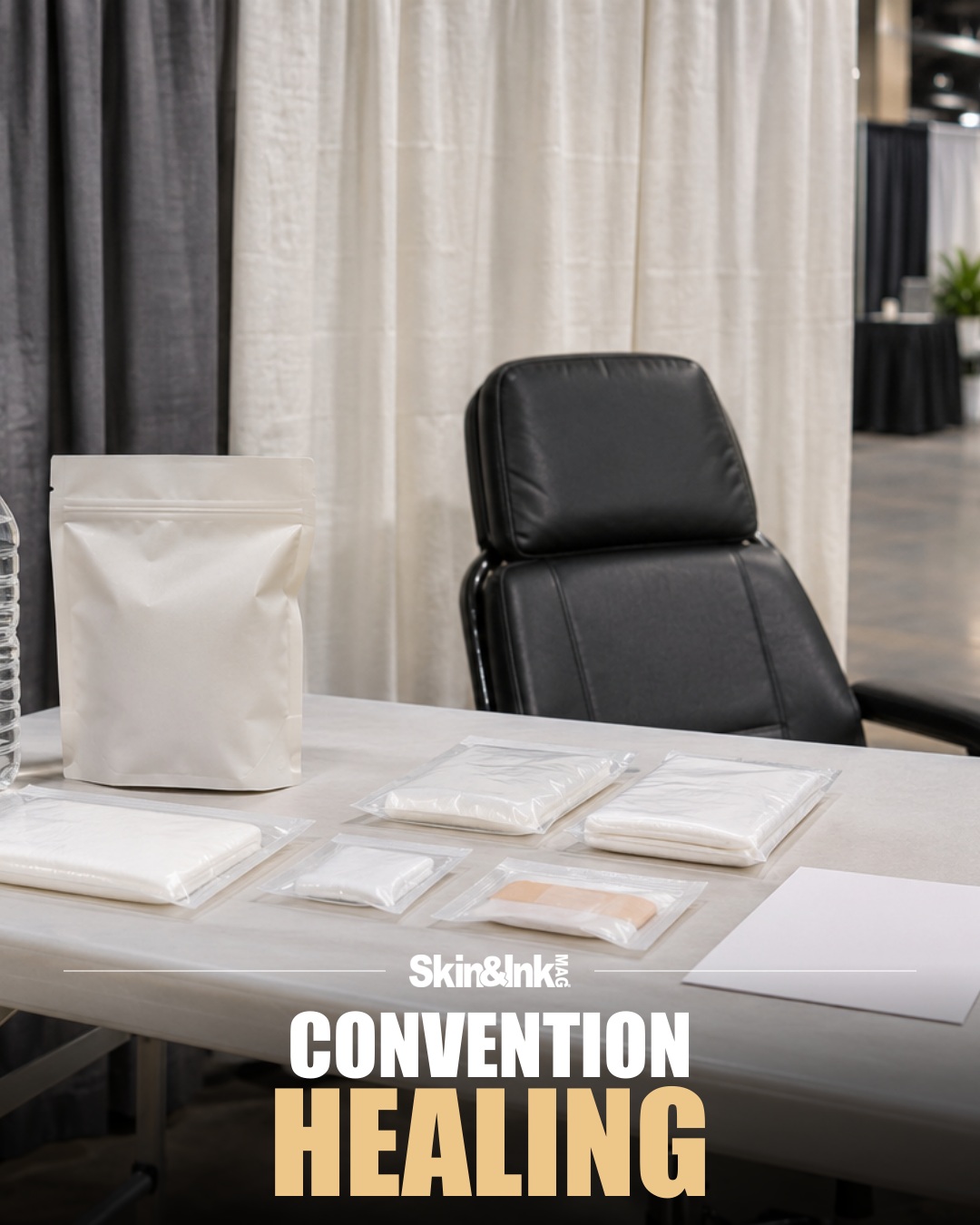
The convention ends when the venue closes. A new tattoo comes home with you. That difference deserves attention before the appointment, especially when the weekend involves travel, shared accommodation, or a schedule full of activities. Aftercare should not begin as an improvised search for supplies after the artist has packed up.
A convention setting is not automatically unsafe, and a studio address is not automatically a guarantee. What matters is the actual practice, applicable requirements, and the client’s ability to follow appropriate instructions afterward. Ask practical questions without assuming that the size or reputation of an event answers them for you.
Plan beyond the chair
Before booking, discuss the intended placement, session demands, and travel schedule with the artist. Think about clothing that will be comfortable afterward and how you will follow the provided care instructions at your accommodation. If your plans conflict with those instructions, change the plans or the appointment rather than deciding in advance to ignore the inconvenient parts.
Get the artist’s contact details and know how follow-up questions are handled after the event. Ask for clear written aftercare information and clarify anything you do not understand while you are still together. A noisy floor and a tiring session are good reasons to repeat a question, not reasons to leave confused.
Do not let the crowd set the pace
A weekend can create pressure to add another tattoo, enter a competition, or keep moving between booths. The fact that an opportunity exists does not mean your body or schedule has room for it. Give yourself permission to stop collecting experiences and concentrate on caring for the work you already received.
Avoid treating discomfort as a badge of commitment. If you have a concern, raise it promptly. The artist can explain their process and aftercare instructions; a medical professional should assess symptoms that need diagnosis or treatment. Neither an enthusiastic friend nor a comment thread should substitute for that evaluation.
Keep product information available
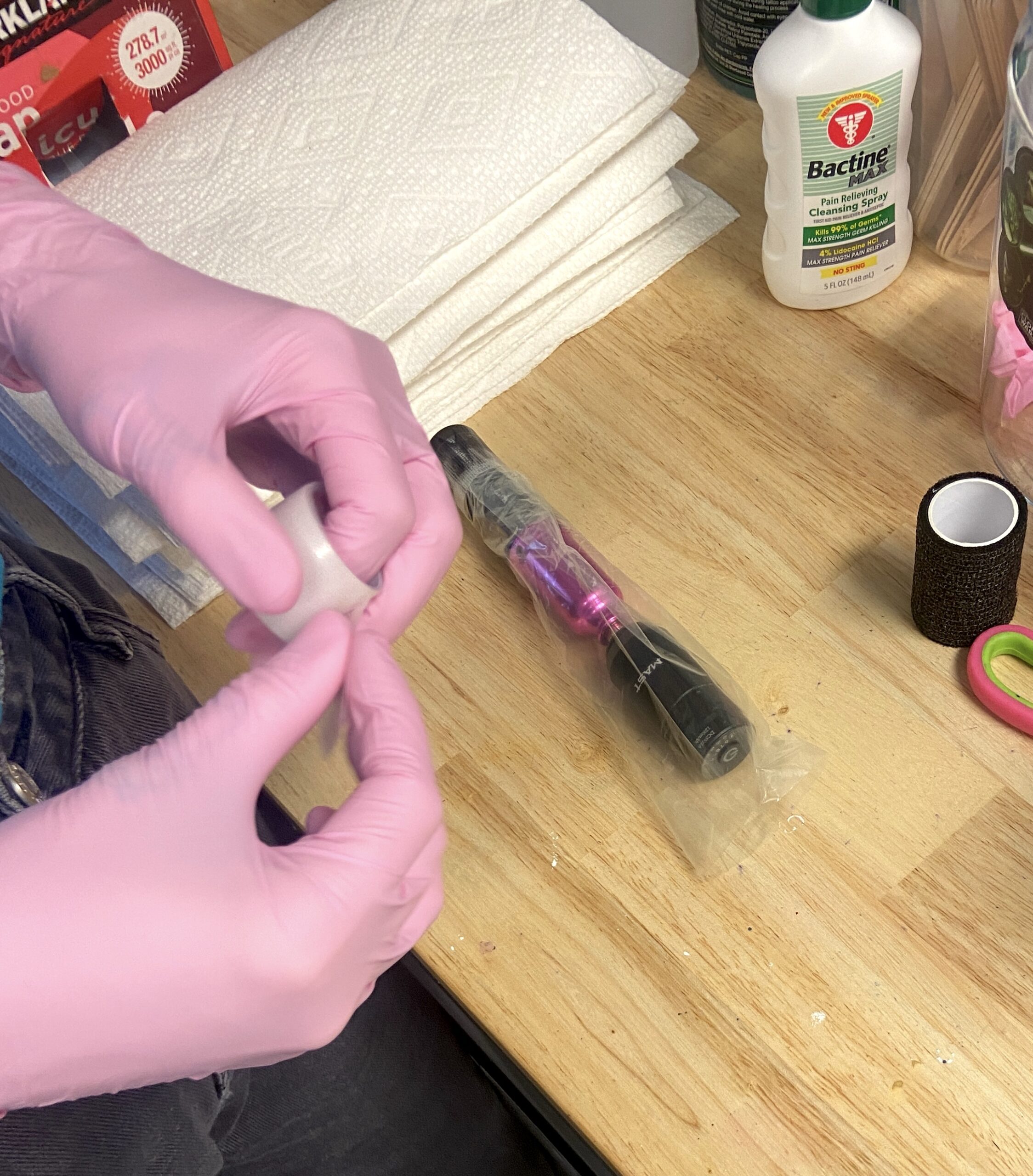
Traceable ink records matter at temporary events just as they do in permanent studios. A CDC investigation of tattoo-associated infections in 2011–2012 identified contamination concerns involving inks and nonsterile dilution water. The broader lesson is to take product and procedural safeguards seriously rather than judging cleanliness solely by appearance.
Ask how you can obtain the product details associated with your appointment if a later concern arises. Keep your appointment information and any instructions you receive. Organized records make a follow-up conversation easier when the artist is back in another city and the event itself has disappeared from view.
If healing seems abnormal or you develop concerning symptoms, seek medical advice rather than waiting for the next convention or assuming an artist can diagnose the problem remotely. Early communication should focus on getting appropriate help and supplying accurate information.
A good convention memory includes the weeks after the photograph. Plan for them with the same attention you give the design and booking. The tattoo is the part of the weekend that stays; its care should not be left behind at the venue.
Sources