Words: Skin & Ink Editorial Staff
Travel can bring a collector within reach of an artist they have admired for years. It can also encourage bad decisions: a rushed booking, a borrowed symbol, or a tattoo squeezed between a beach day and a flight. The souvenir mindset treats the appointment as something to complete. A better trip gives the work enough room to be considered.
Start with the artist rather than the destination. Study the actual portfolio, including healed photographs when available. Learn how the studio books, what languages are used, and whether the design you want fits the artist's practice. Being overseas does not make every tattoo more authentic, and being a visitor does not make every request appropriate.
A reference is an introduction
A photograph of a cultural tattoo is a reason to ask questions, not permission to order a copy. A design might be personal to its wearer or belong within a practice you do not understand. Approach a knowledgeable practitioner without assuming that payment settles those questions. Accept that the answer might be a different design, a longer conversation, or no appointment.
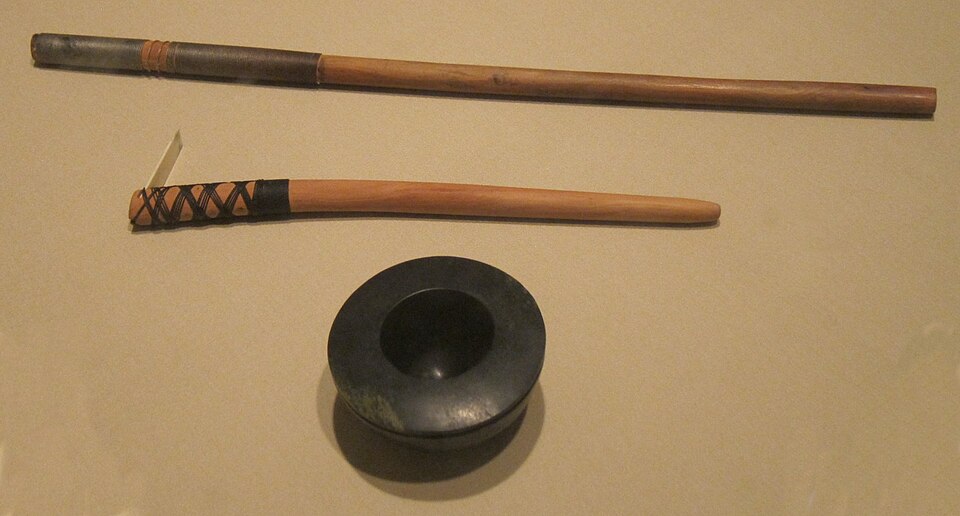
Te Papa's documentation of Sāmoan tatau is useful preparation because it presents people, families, and contemporary contexts rather than a detached catalogue of shapes. Looking at work this way changes the collector's question from what can I get to what am I being invited to understand.
Respect also includes ordinary business behavior. Read the cancellation terms. Confirm the price and currency before paying a deposit. Do not bargain by comparing a local artist's fee with the cost of a souvenir down the street. Arrange any translation needed for clear consent rather than trusting a friend to summarize the important parts afterward.
Put healing on the itinerary
Ask the artist how the proposed placement and session fit the rest of the trip. If the schedule involves swimming, prolonged sun exposure, strenuous activity, or clothing that will rub the area, discuss those conflicts before booking. Obtain written aftercare instructions and know how to contact the studio once you leave. A tattoo should not become an experiment in whether your itinerary can outrun healing.
Longer-term care matters too. The American Academy of Dermatology advises protecting tattooed skin from ultraviolet exposure and having concerning skin changes assessed by a dermatologist. Travel photographs are temporary. The skin carrying the artwork is coming home with you.
Bring back the credit
Ask before taking photographs in the studio, especially when other clients or culturally sensitive work may be visible. Confirm whether the artist and wearer want images posted, and use the names and descriptions they prefer. A compelling photograph does not cancel someone's right to privacy.
The most valuable part of collecting abroad may be the relationship that continues after the flight. Send a healed photograph if the artist welcomes one. Pay attention to their future work. Recommend them accurately rather than turning the appointment into a story about discovering a hidden culture. A good tattoo trip leaves you with an artwork and a better understanding of the person who made it.
Sources