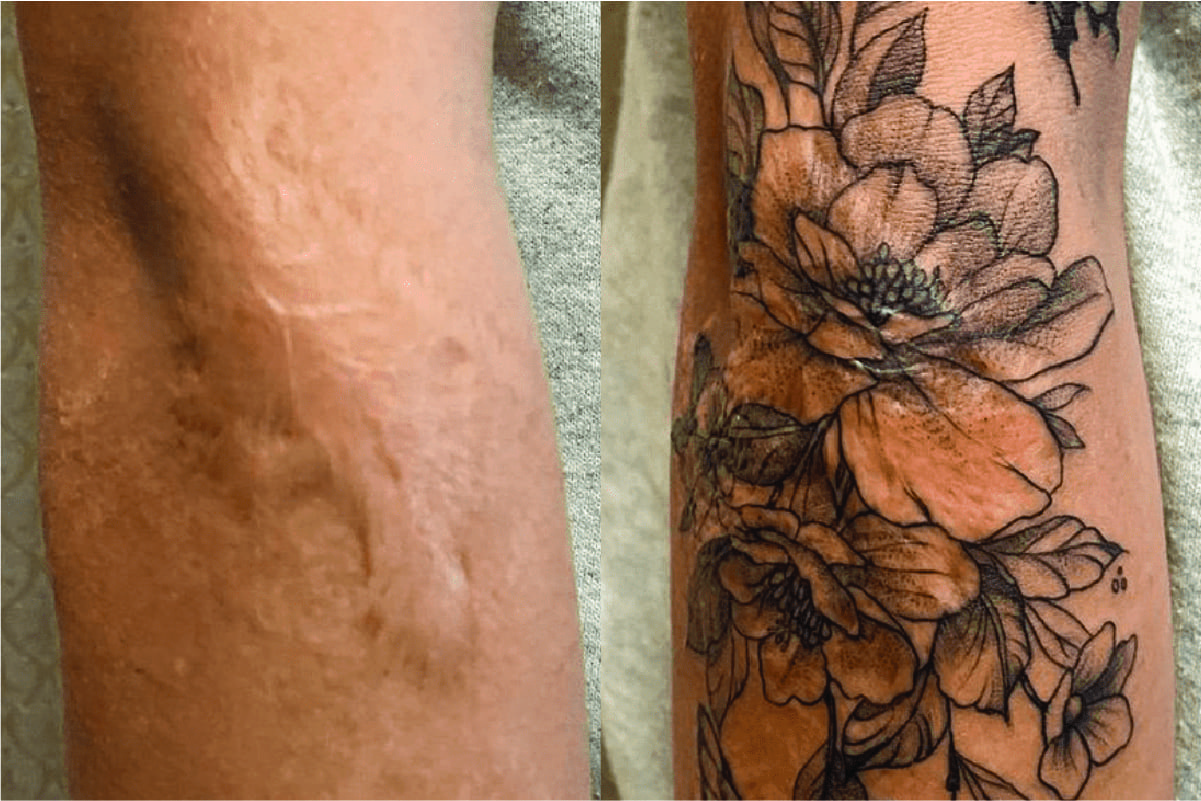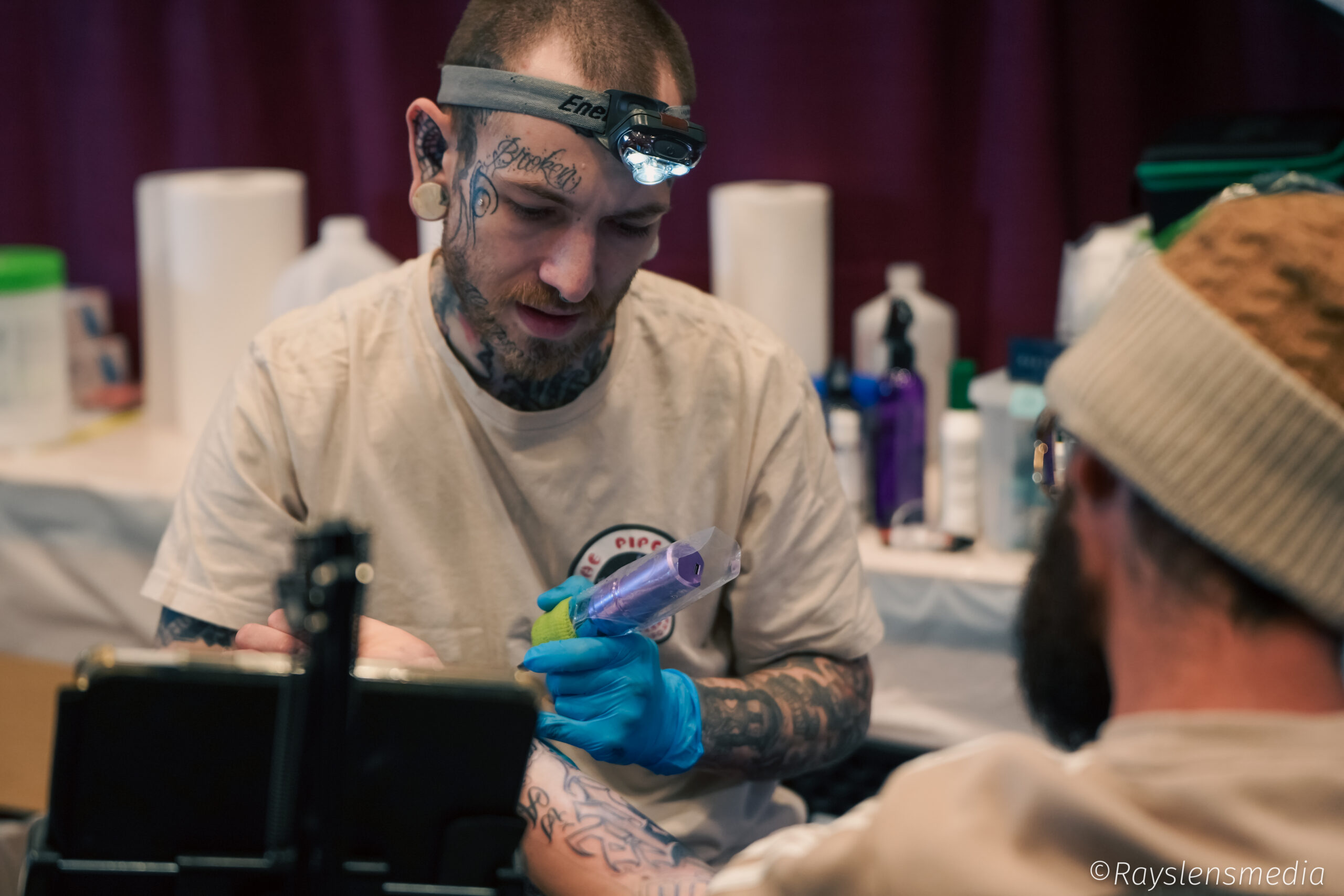
Featured photograph: Cranberry Tattoo Classic archive. ©Rayslensmedia. Illustrative image only; the people pictured are not presented as subjects of this story.
A second paycheck can keep an artist tattooing. That doesn't make the decision easy, and it doesn't make them less of an artist.
TattooBuzzNow! | Community analysis | November 2, 2026
A second job isn't always an exit from tattooing. Sometimes it's how someone stays.
That distinction gets lost when a conversation about slow books becomes a test of who loves the craft enough. Rent doesn't care how committed you are. Neither does the bill waiting at home.
In a September 24 discussion on r/tattooing, a newer artist described working as a line cook while building skills and clientele. They weren't asking how to abandon tattooing. They wanted another way to cover rent while continuing to improve. One respondent described splitting the week between an office job and three ten-hour tattooing days. In a follow-up, that person said self-employed income hadn't been enough to support their family, while the salary and benefits allowed them to keep tattooing. These are public, self-reported experiences, not independently checked earnings records. Read the discussion.
Still tattooing with a different paycheck
The same tension appeared in an October r/TattooArtists discussion. A commenter posting as Danny_COV said their second job was bartending. Another, Bkdoorburglar, identified themselves as a 24-year tattooer and said they planned to leave their shop in early November for salaried work with benefits and weekends off. That was a stated plan, not a confirmed departure. Read the original thread.
Those aren't interchangeable decisions. Supplementing tattoo income, reducing studio days and leaving a shop are different things. Lumping them together as “artists quitting” misses what people are actually trying to protect: their work, their families, or both.
It also doesn't prove that tattooing has become a side gig for the industry as a whole. A handful of online accounts cannot tell us how common these arrangements are, whether they're increasing nationally, or what caused an individual artist's bookings to slow.
The extra paycheck costs time too
There is a trade-off. Hours spent earning elsewhere are hours that cannot also go into drawing, appointments or rest.
In a June 17 interview with VoyageDallas, tattoo artist Alexa Camacho described balancing two jobs during her apprenticeship and feeling that the other job took time and energy away from her craft. After finishing the apprenticeship, she said she left that job to tattoo full-time. Her account runs in the opposite direction, a reminder that combining jobs can be a stage, not a permanent destination. Read Camacho's interview.
For an artist considering that balance now, the useful questions are practical. What income has to be dependable? Which appointment hours can stay protected? Does the second schedule leave enough energy to do good work, or just enough money to keep struggling through it?
Those questions deserve better than another test of loyalty to the craft. Keeping another job isn't proof that someone cares less. Working only in a studio isn't proof their business is secure.
The question isn't whether another paycheck makes you less of a tattooer. It's whether the arrangement lets you keep making tattoos without running yourself into the ground.
Have you taken another job to keep tattooing? What did it make possible, and what did it cost you?