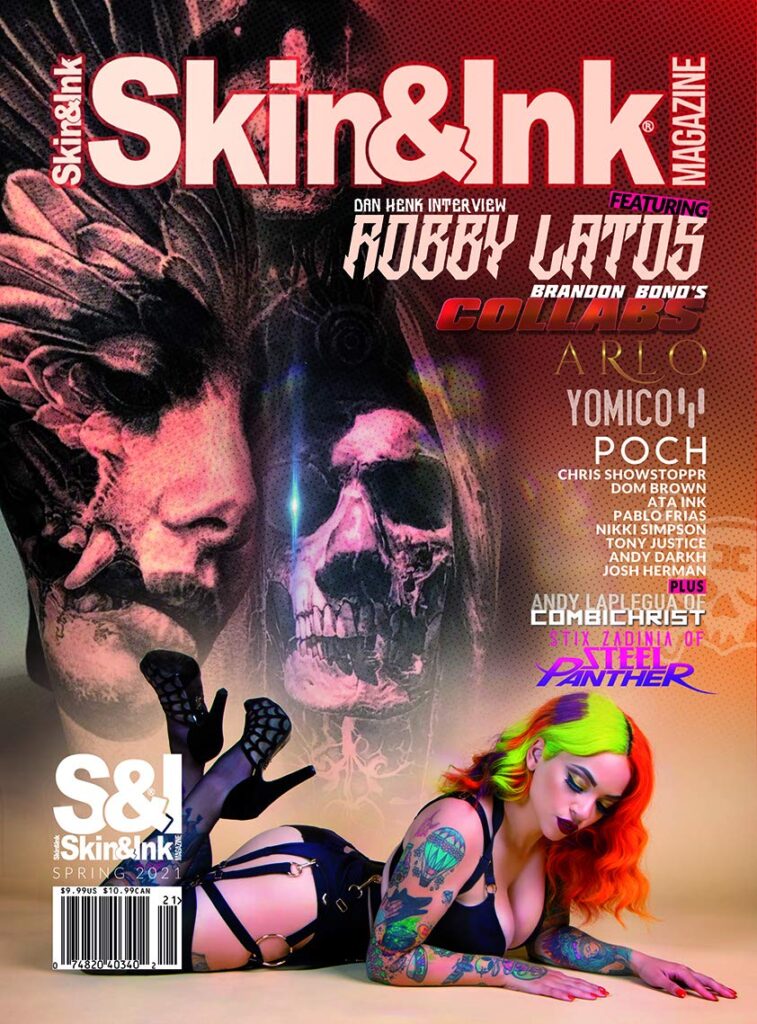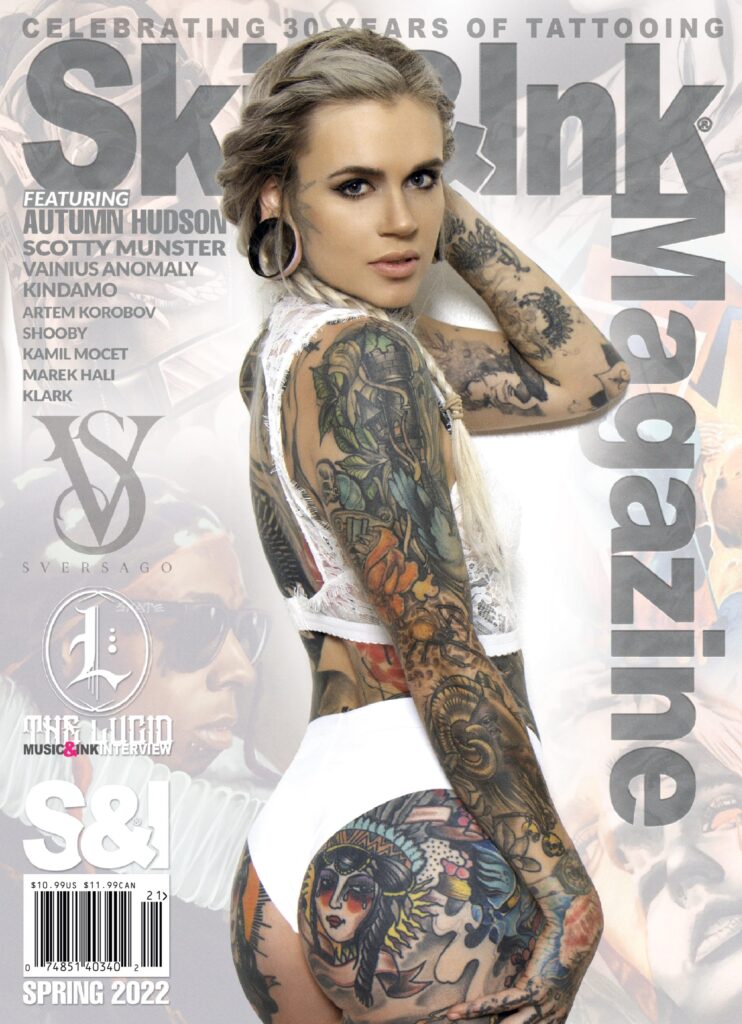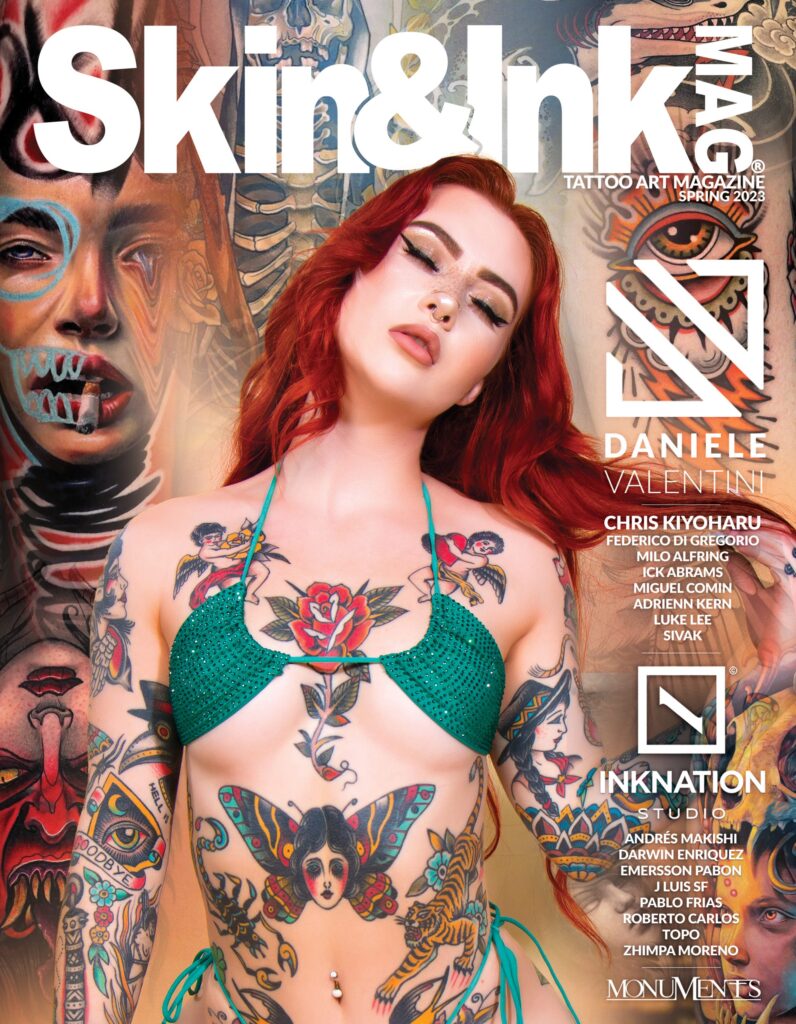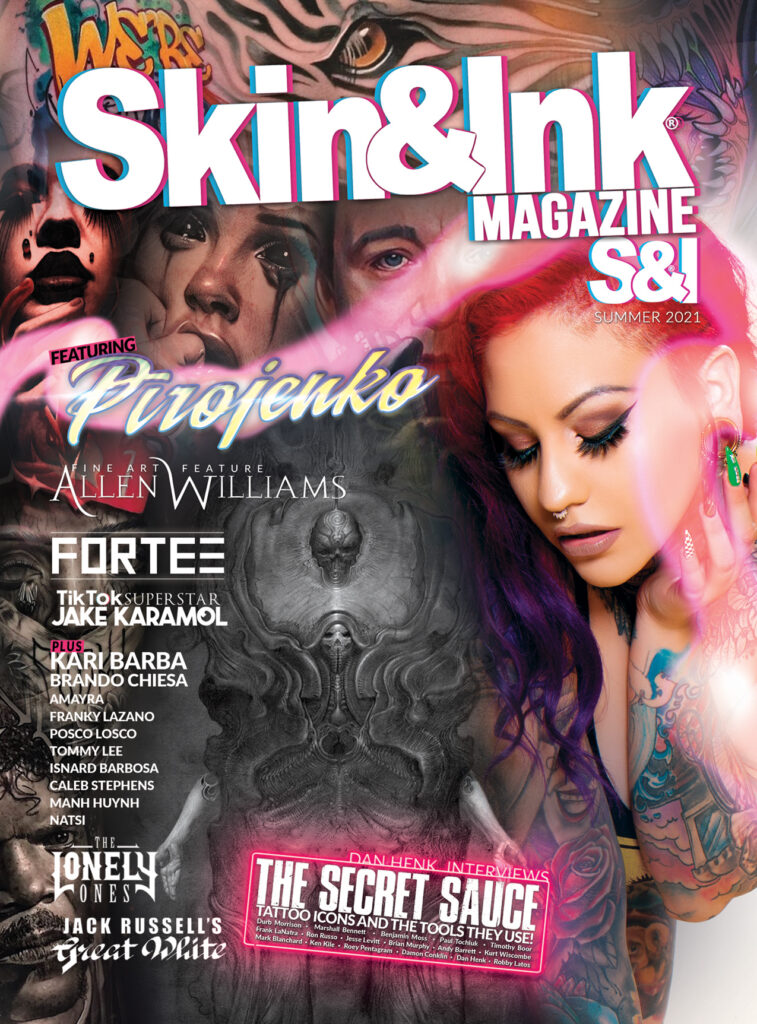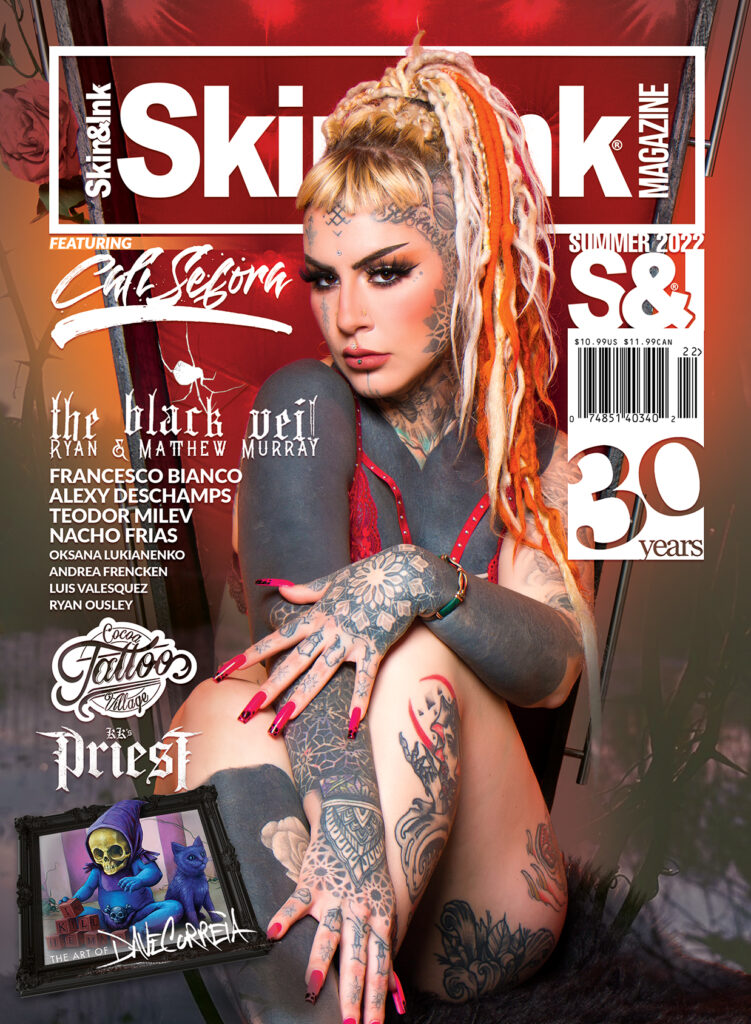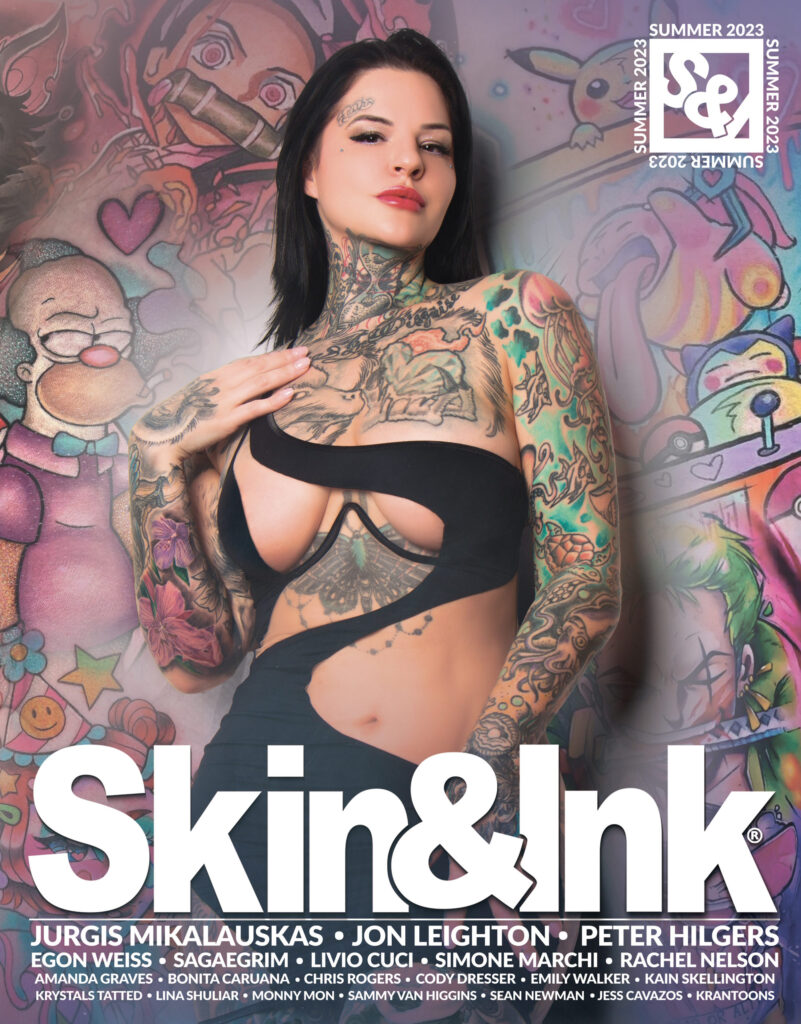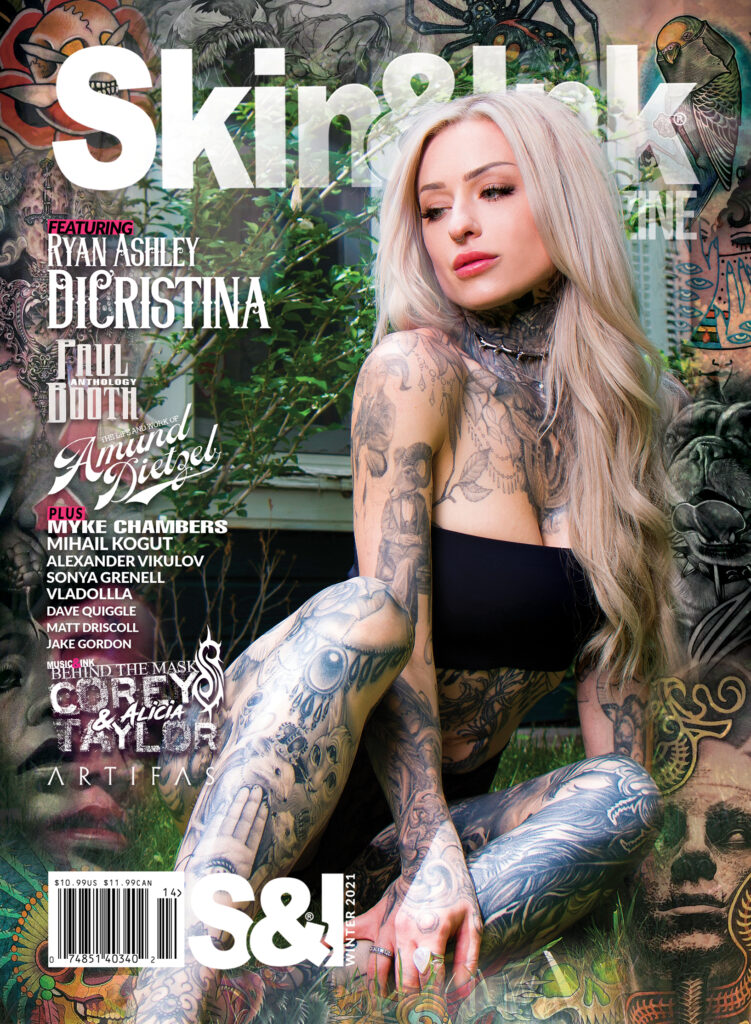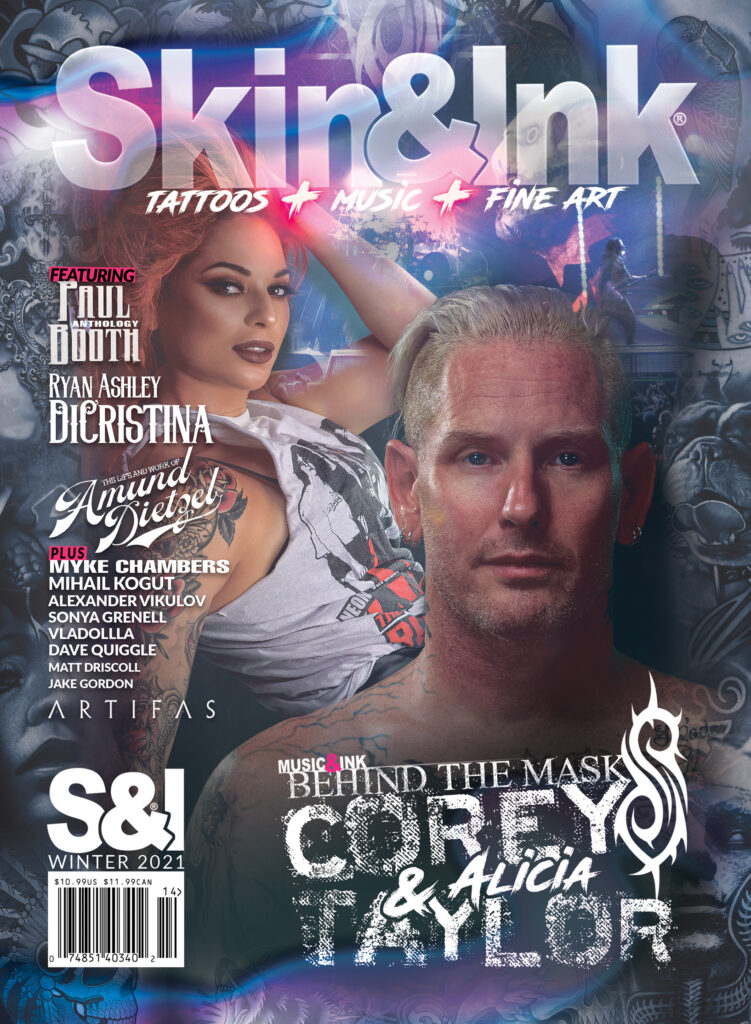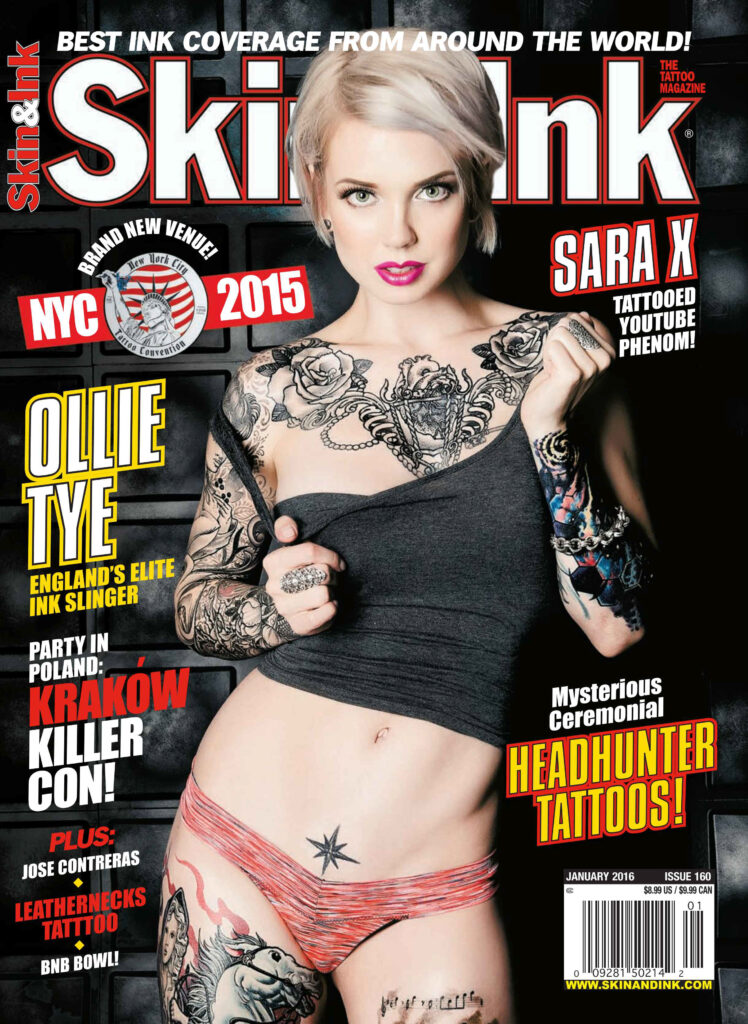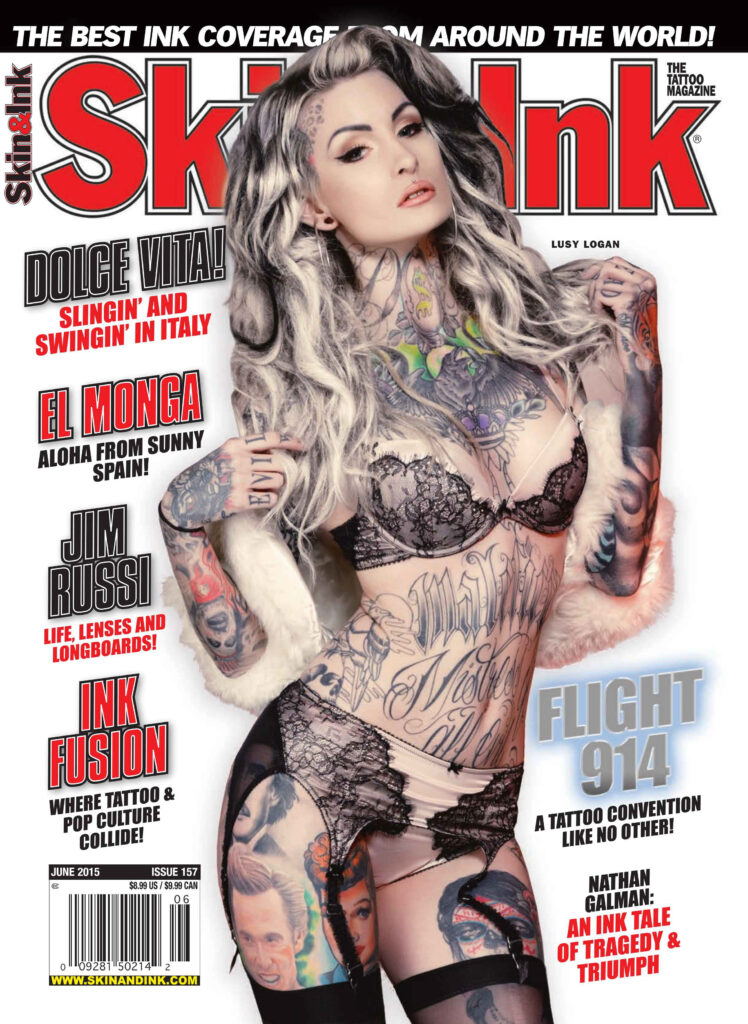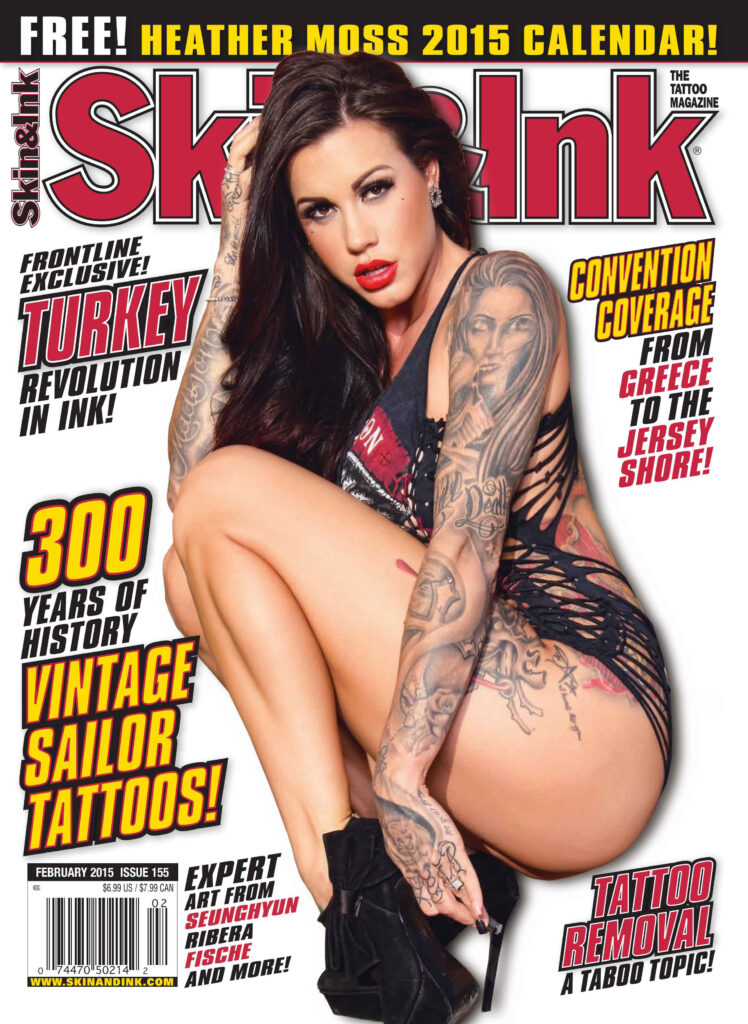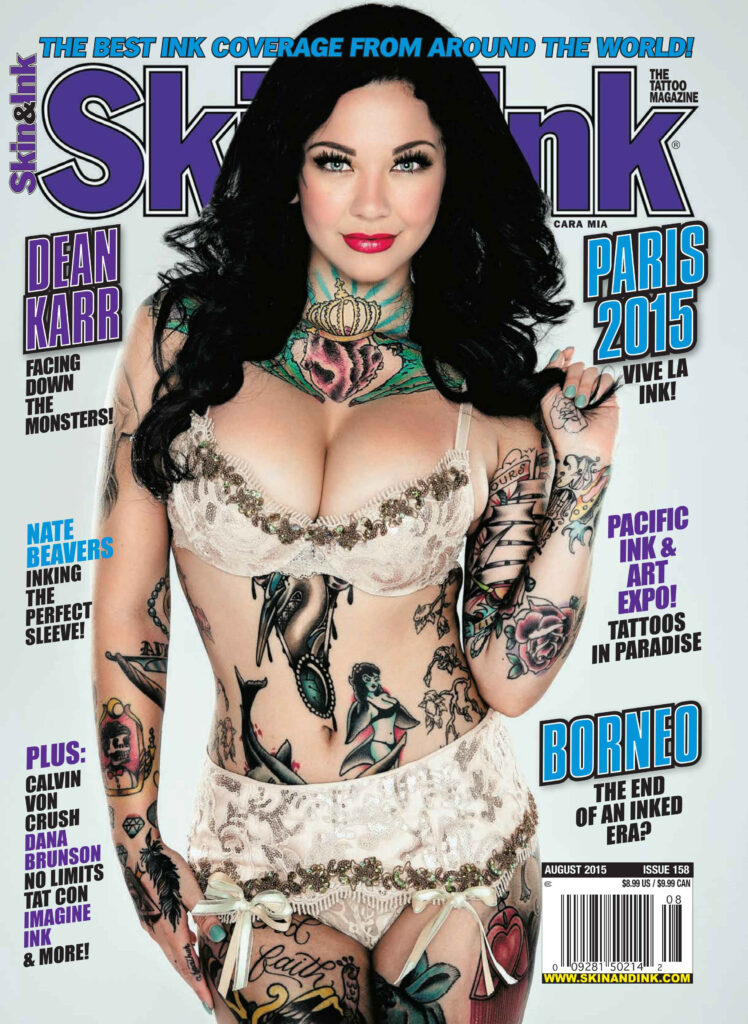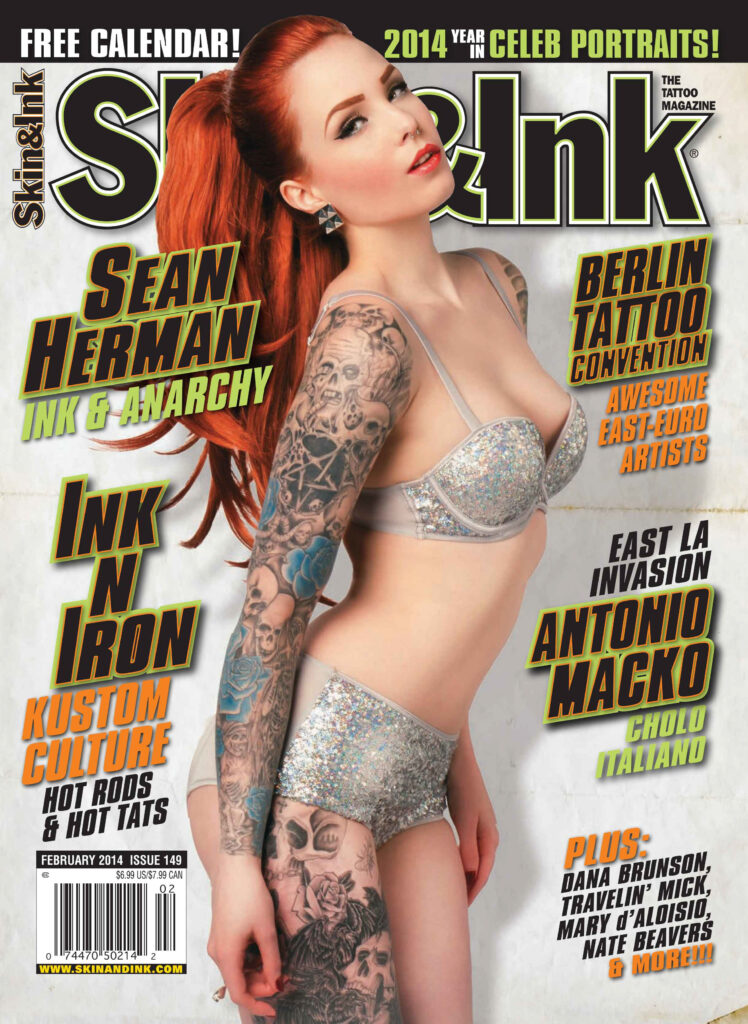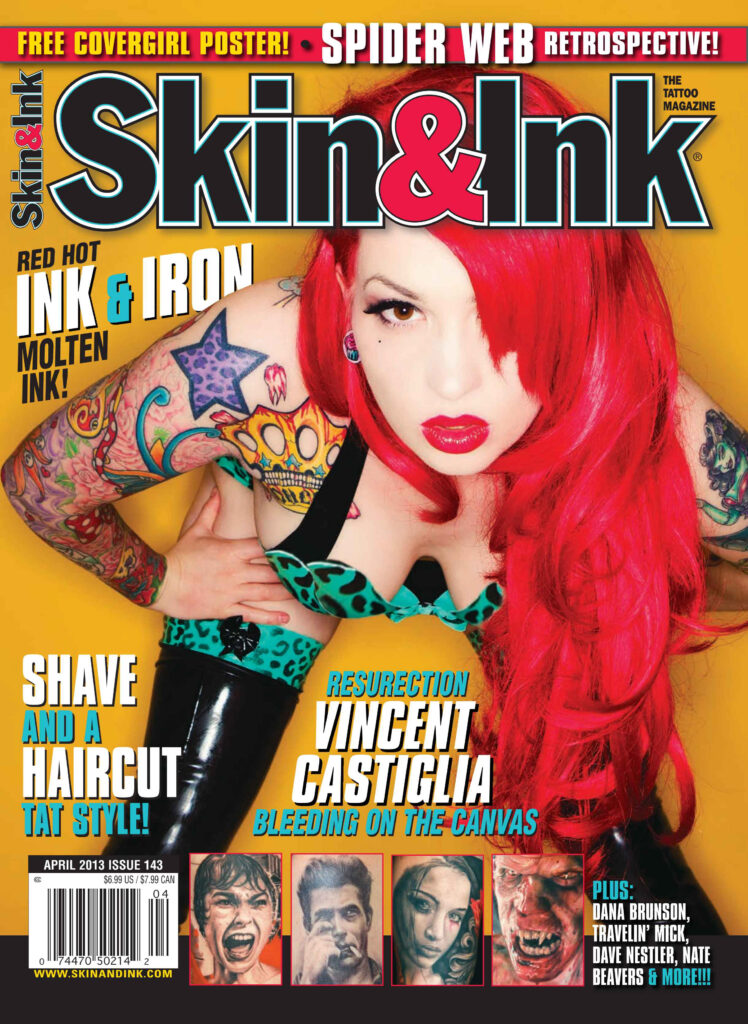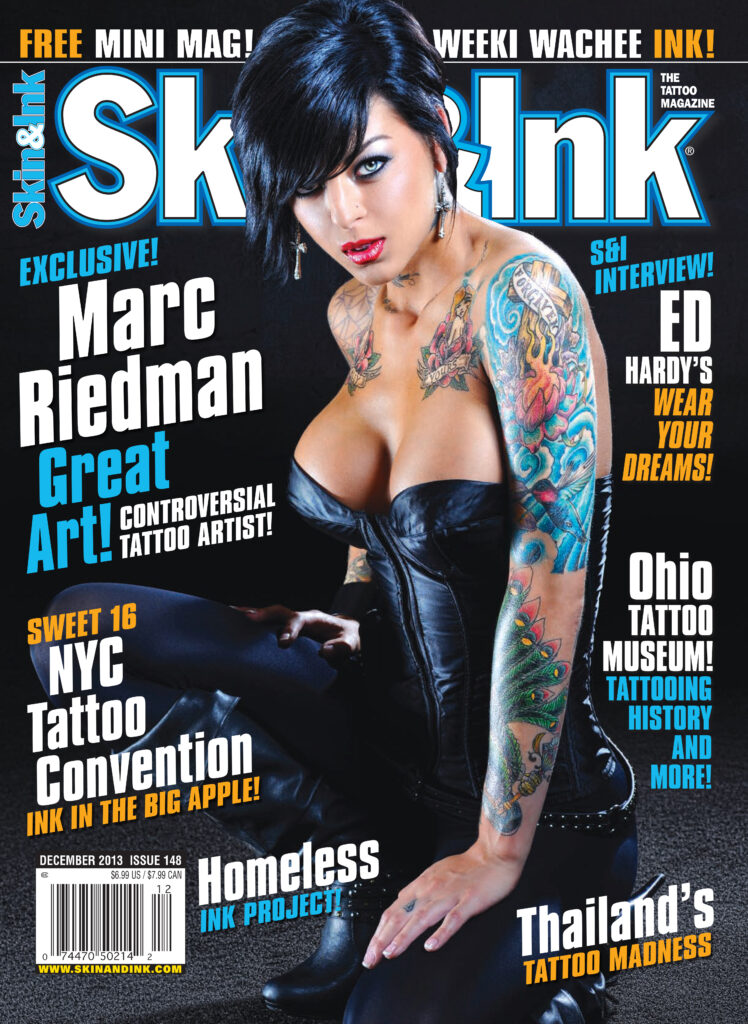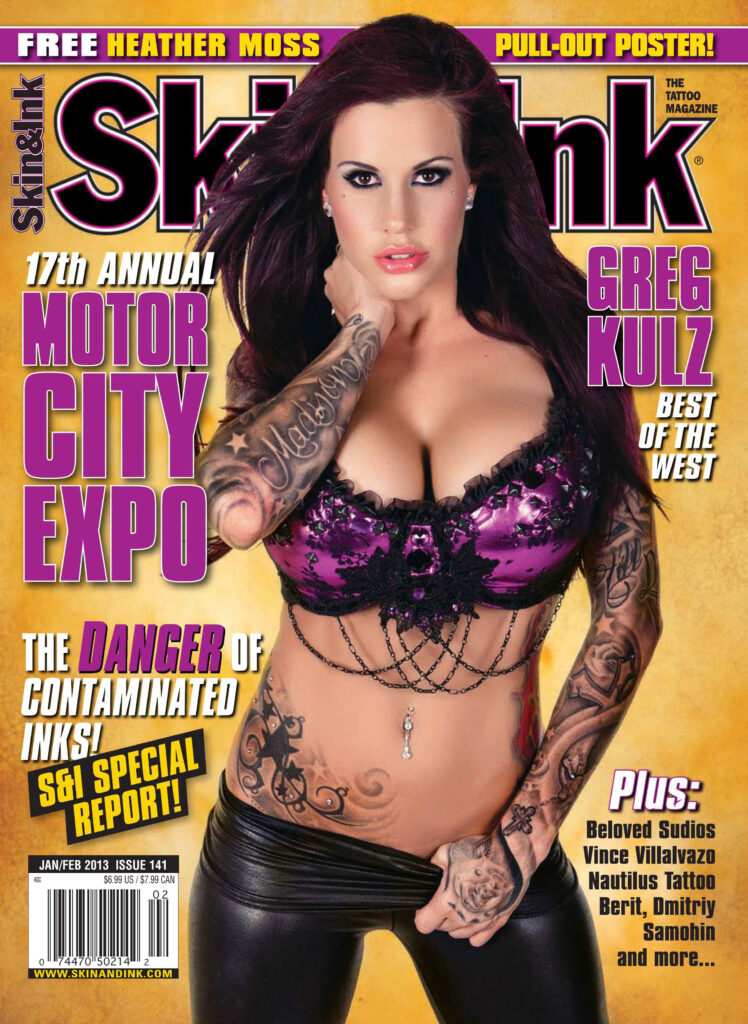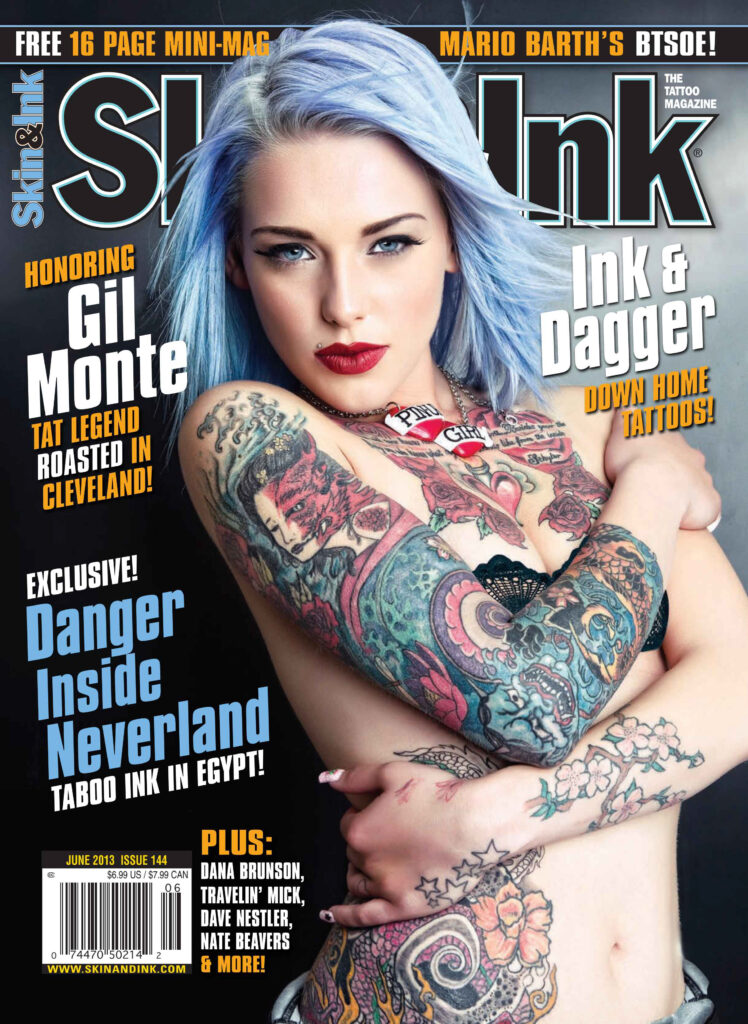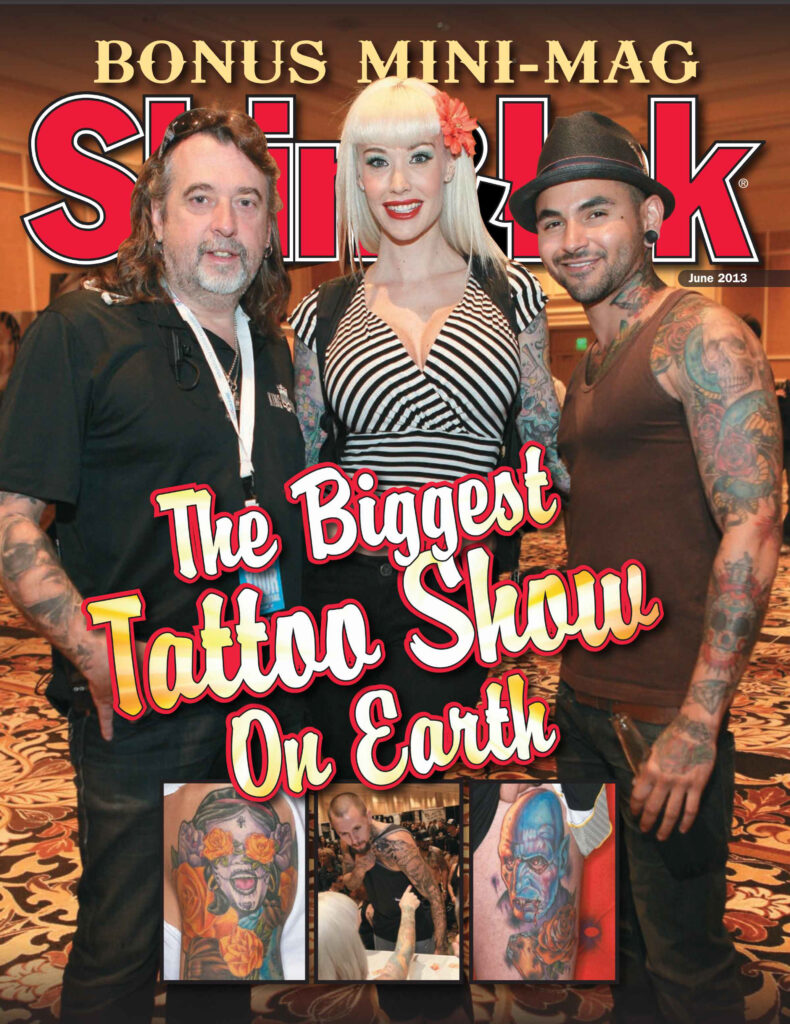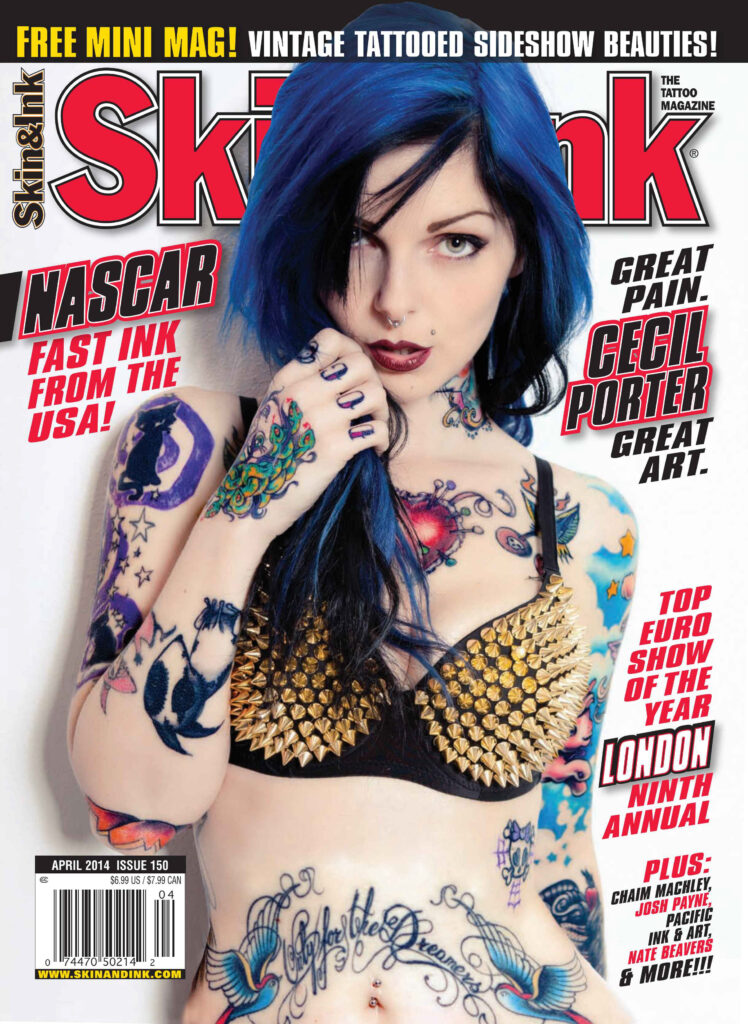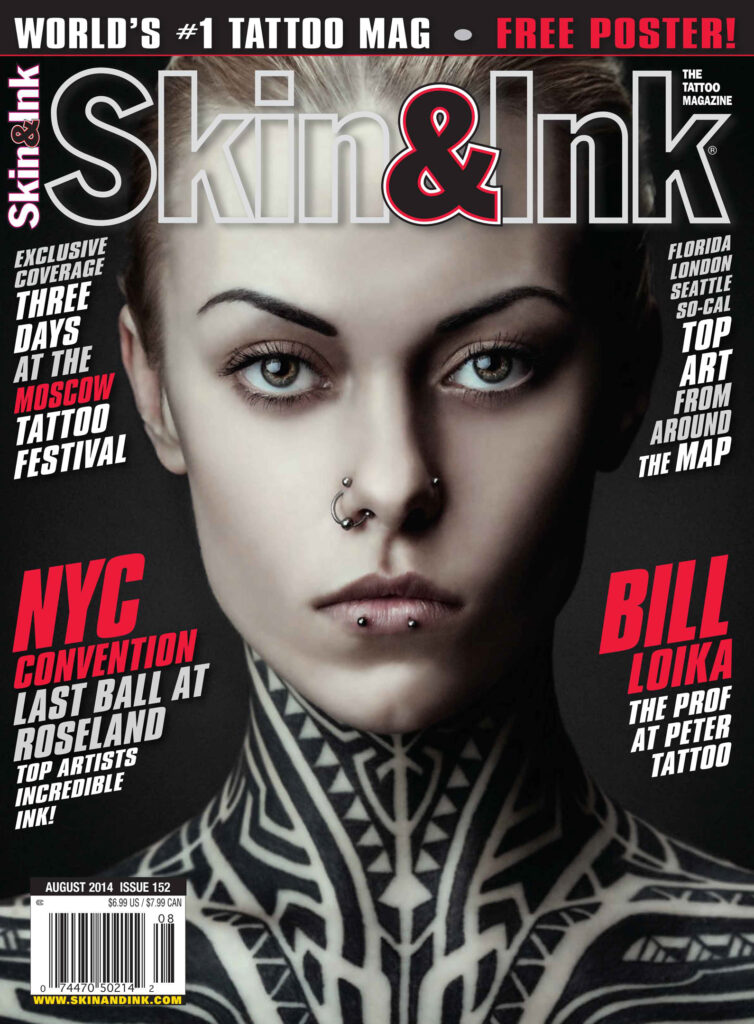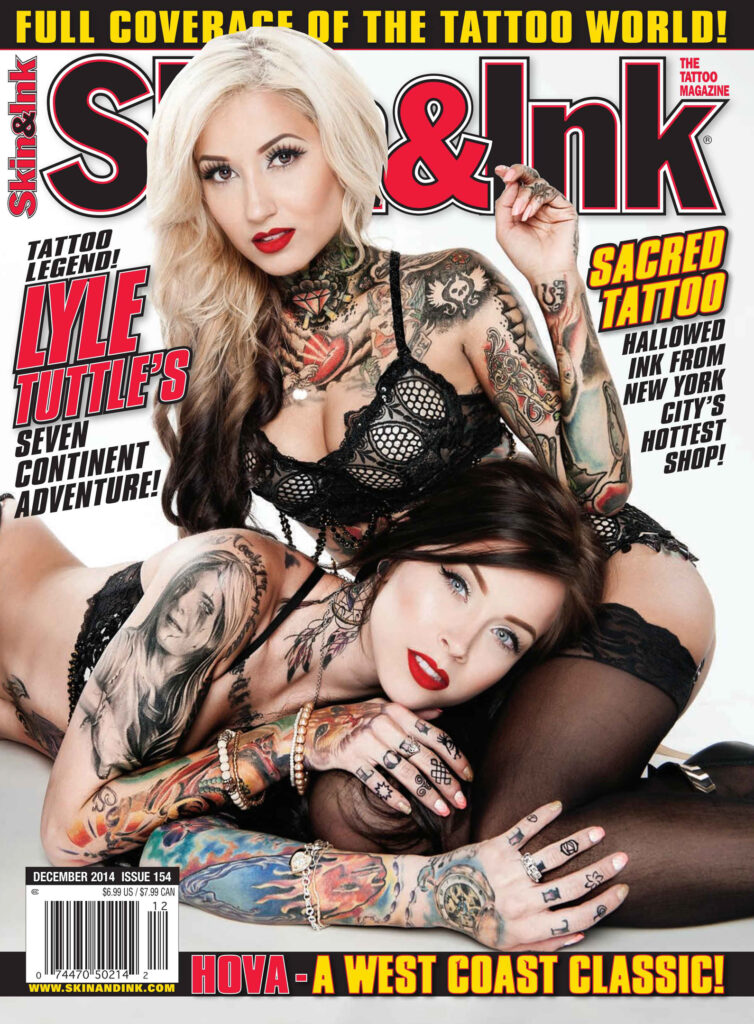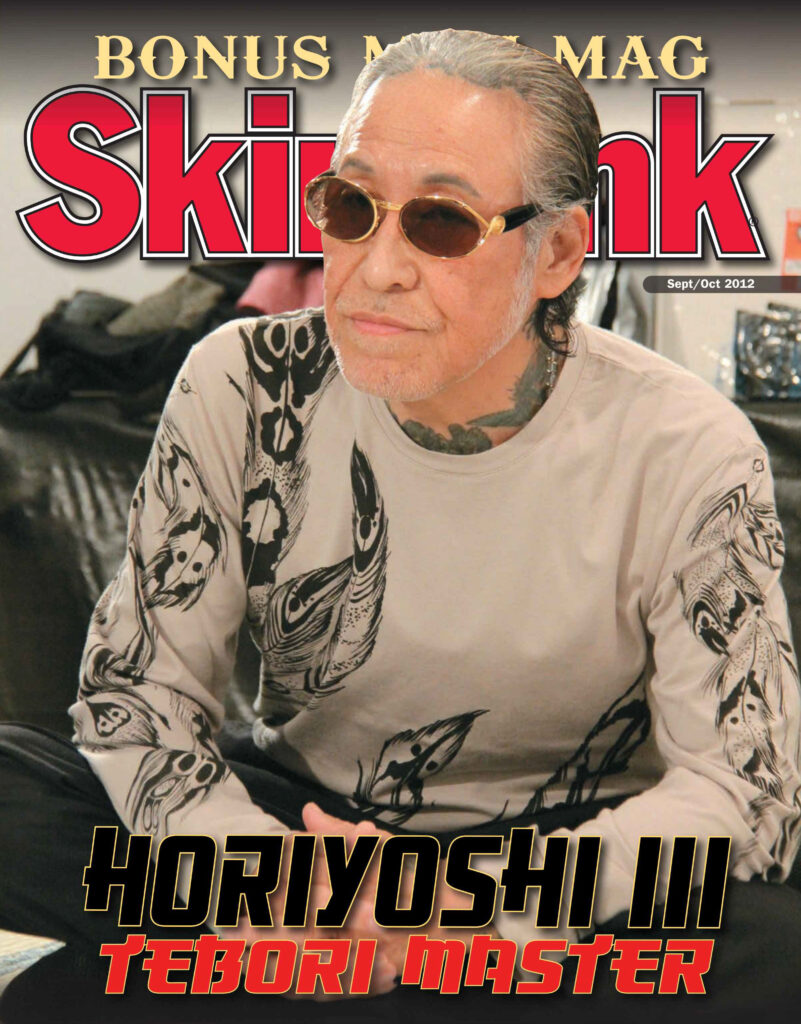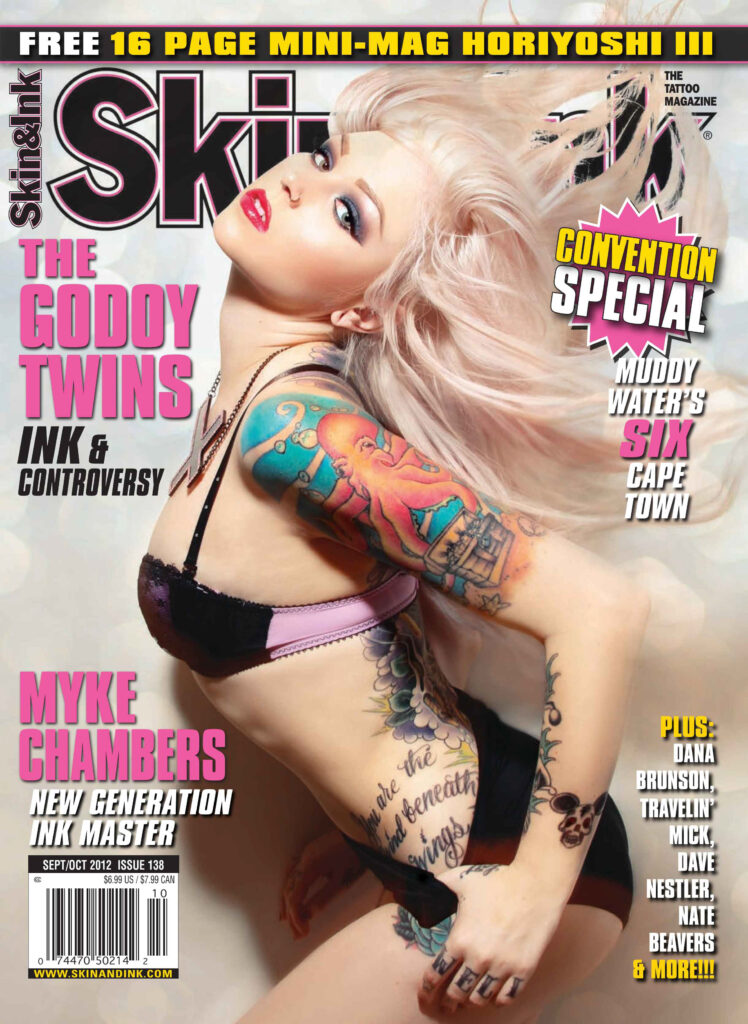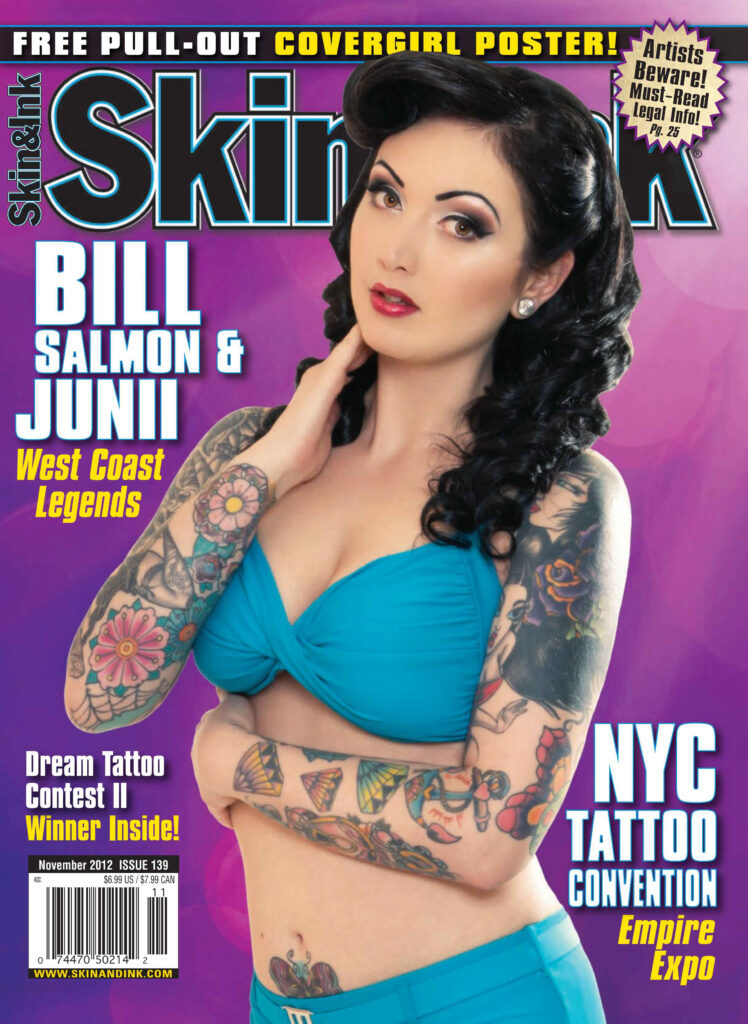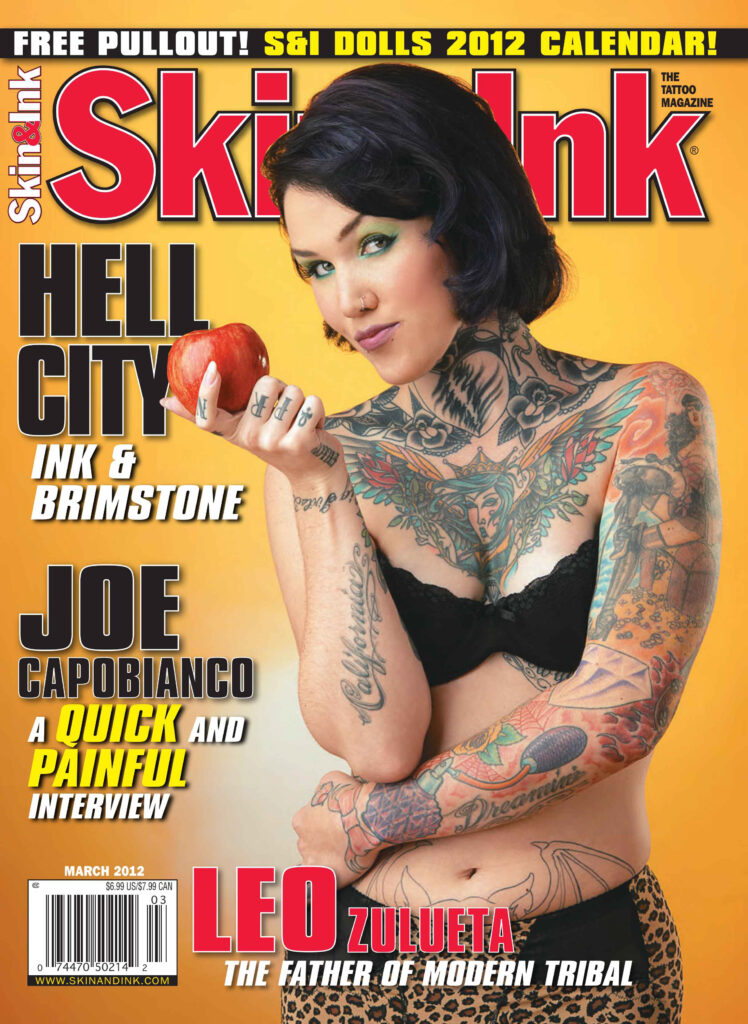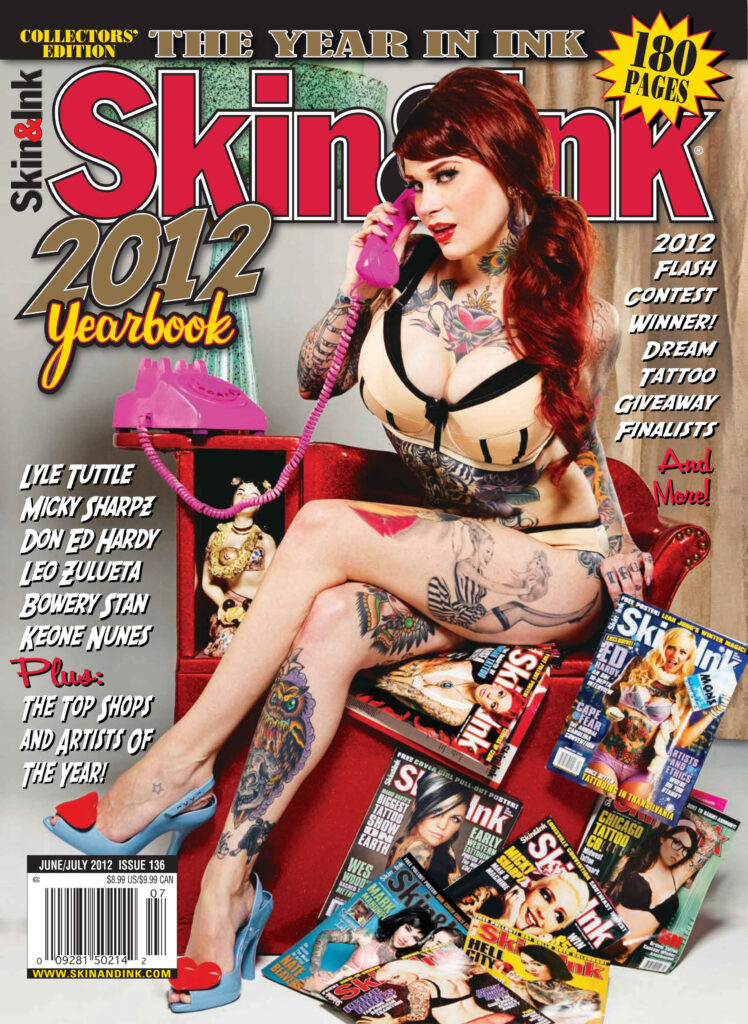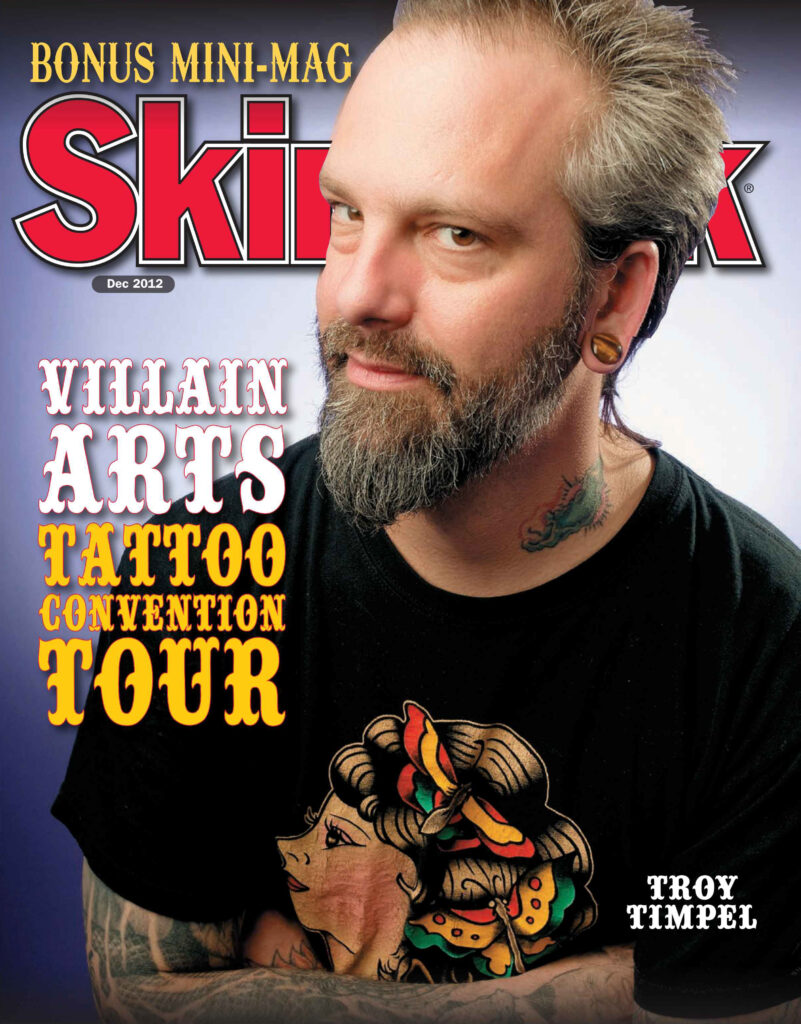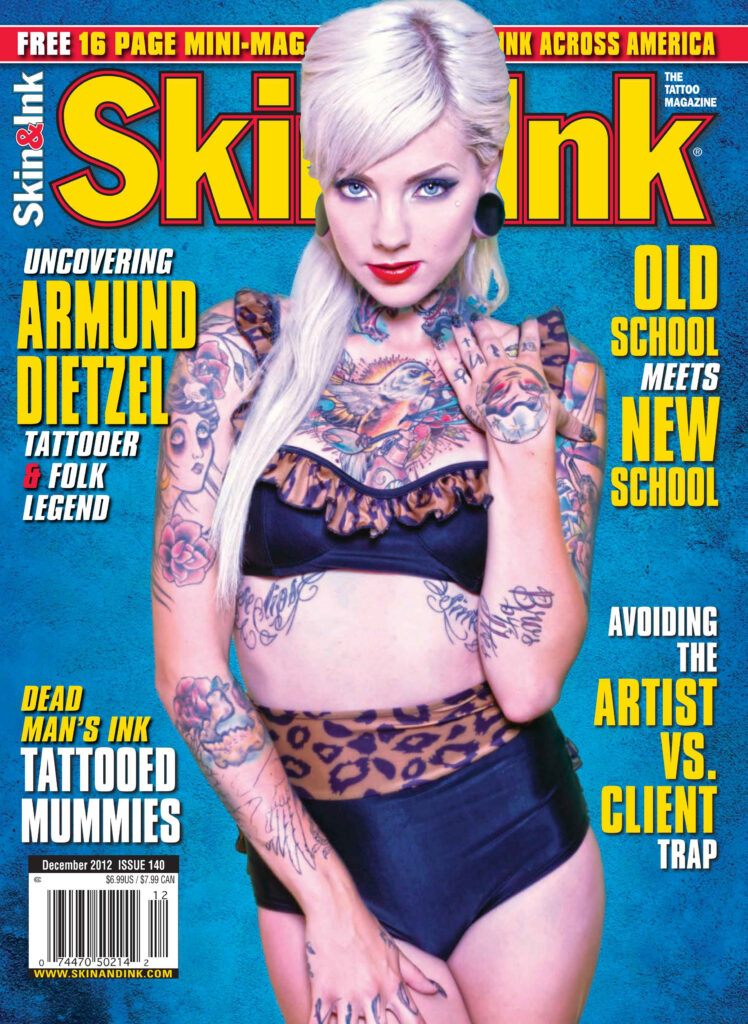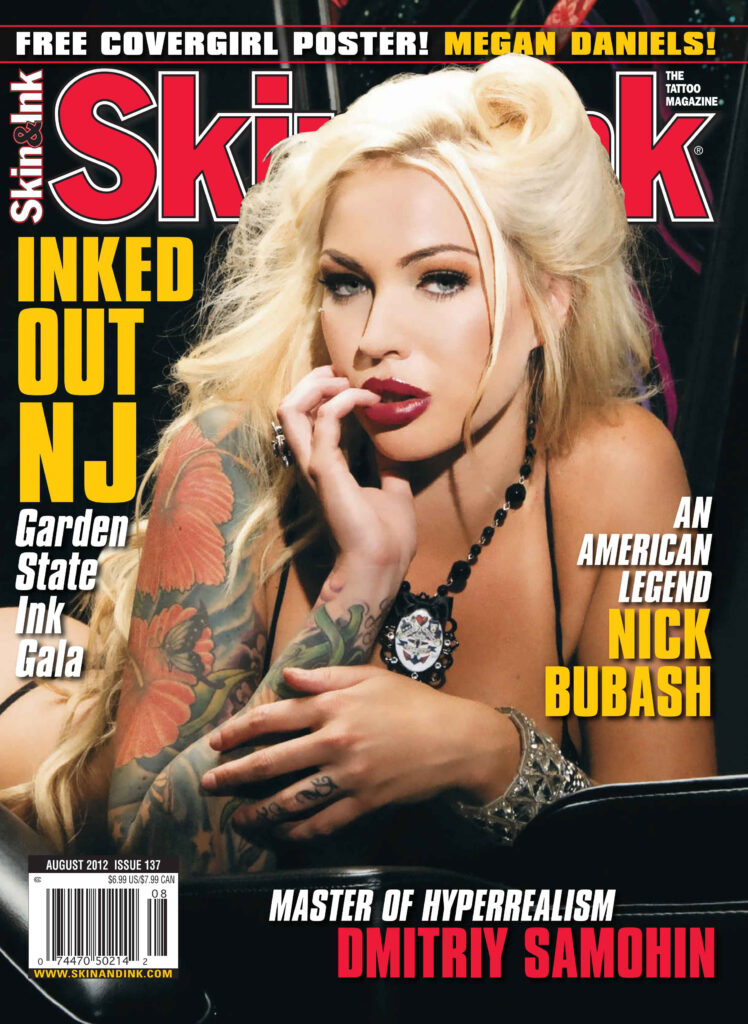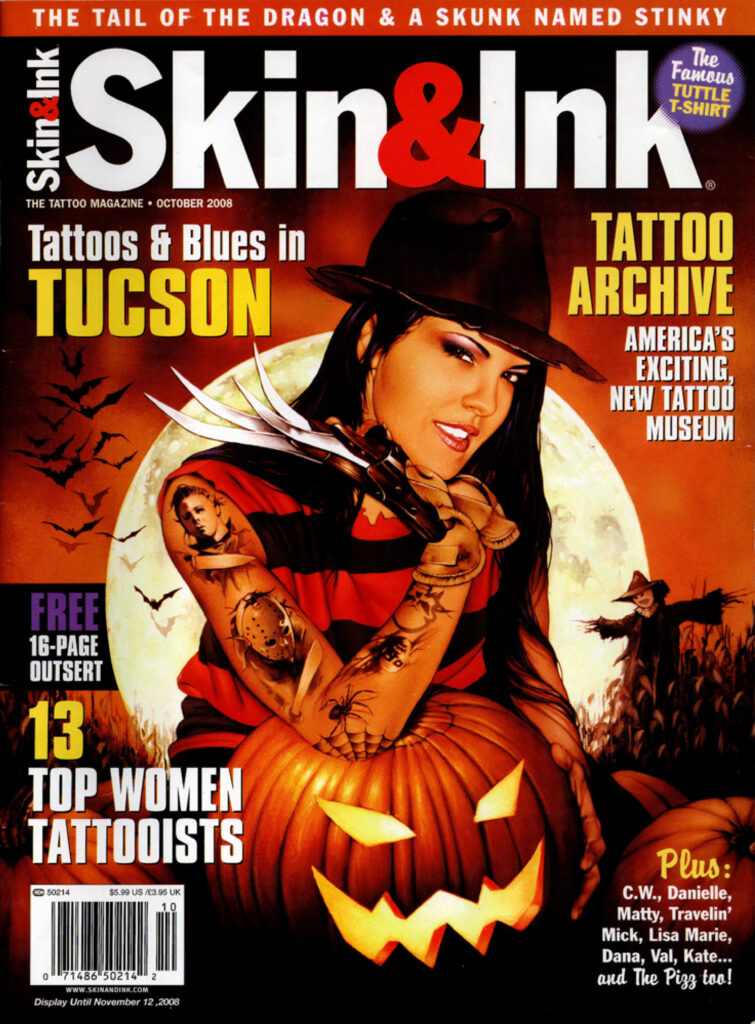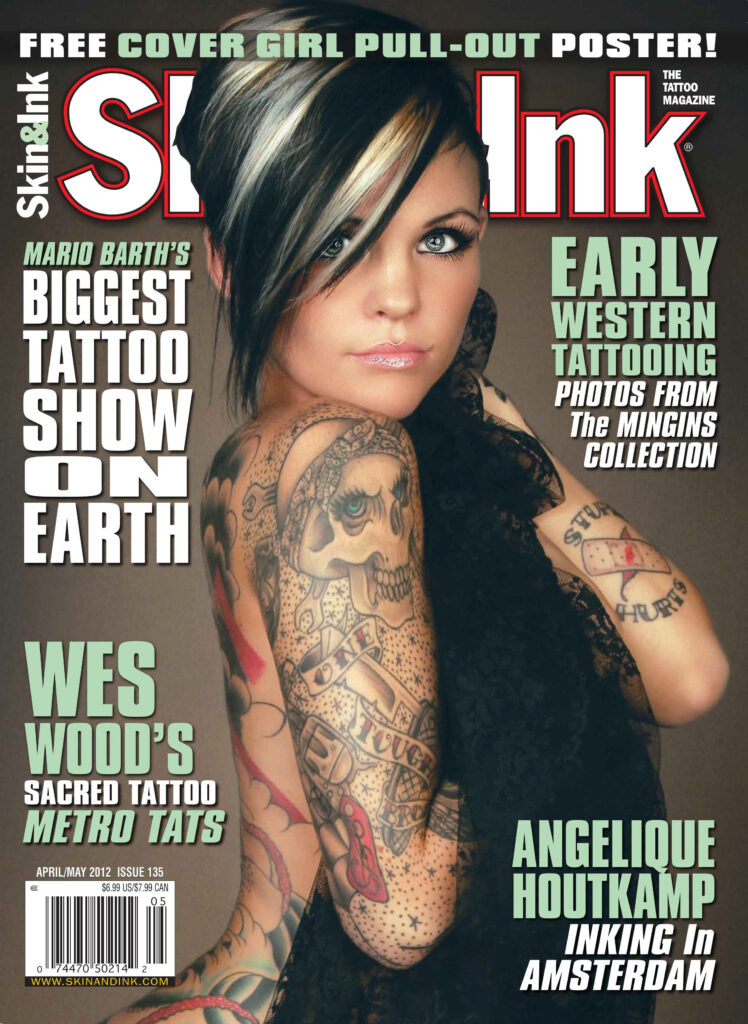
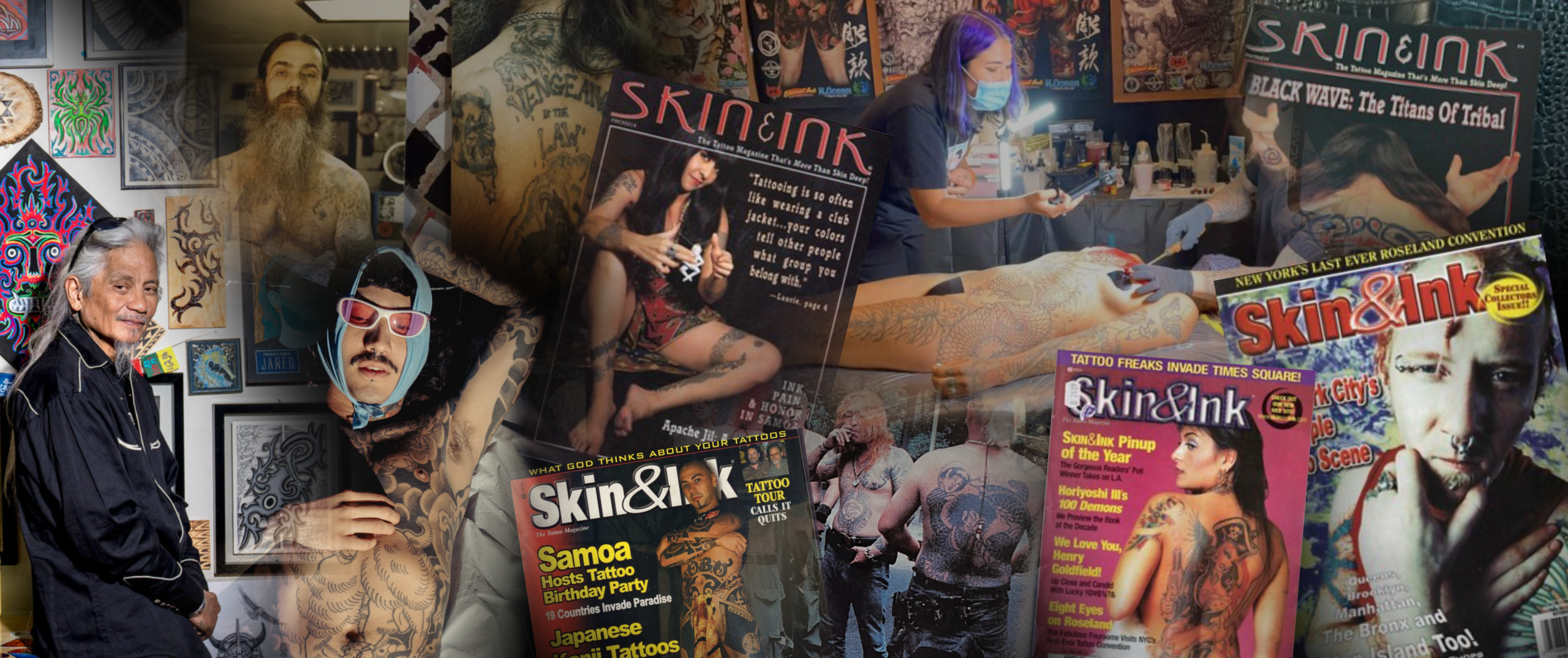
In 1992, tattooing still lived in the margins.
It was legal in much of the country, but stigma lingered hard. In New York City, tattooing was still illegal… a ban that would not lift until 1997. The mainstream viewed tattoos as rebellion, not renaissance. And the internet? It wasn’t yet a stage for artists. If you wanted to see great work, you waited for a magazine… or you traveled.

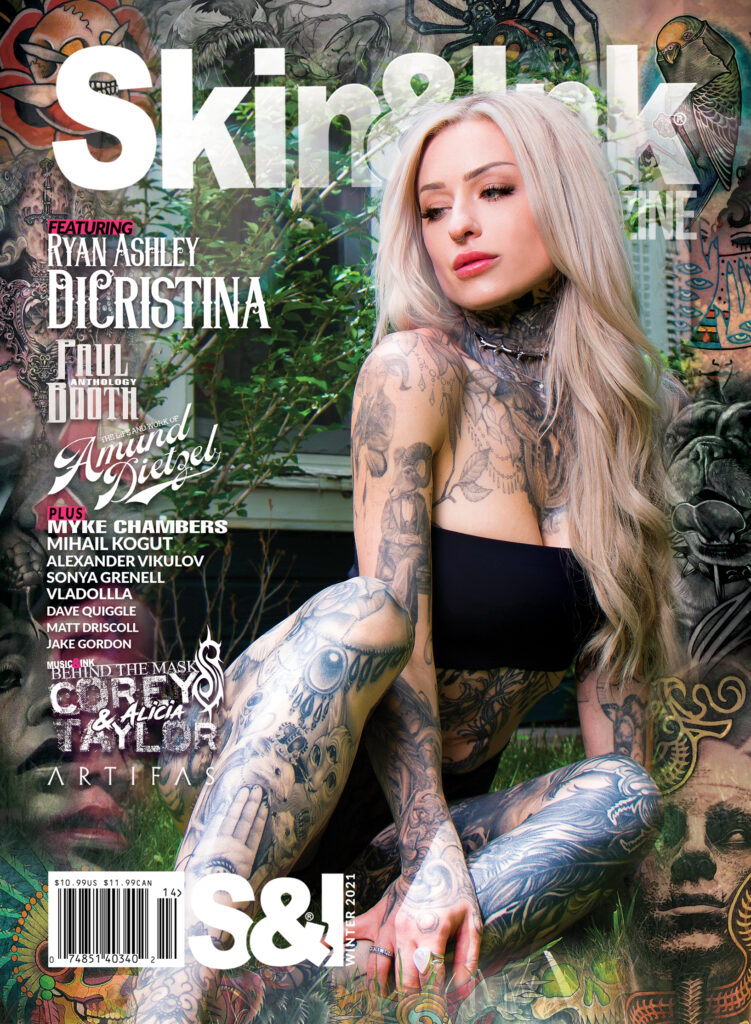
That was the moment Skin & Ink Magazine was born.
Backed by publisher Larry Flynt and Larry Flynt Publications, the magazine entered the world with distribution power and credibility that few tattoo publications could claim. But what made Skin & Ink different was not just reach. It was intent.
From the beginning, it treated tattooing as art.
Not spectacle. Not shock. Not outlaw mythology. Art.
At a time when competing publications leaned heavily into biker culture or novelty flash, Skin & Ink positioned tattooers as craftspeople. Professionals. Creatives refining technique and pushing aesthetic boundaries.
It launched as a monthly publication focused on craftsmanship over chaos, documenting a culture that was still fighting for legitimacy.
The magazine didn’t just report on tattooing… it archived it.
The Underground Years… 1992–1999
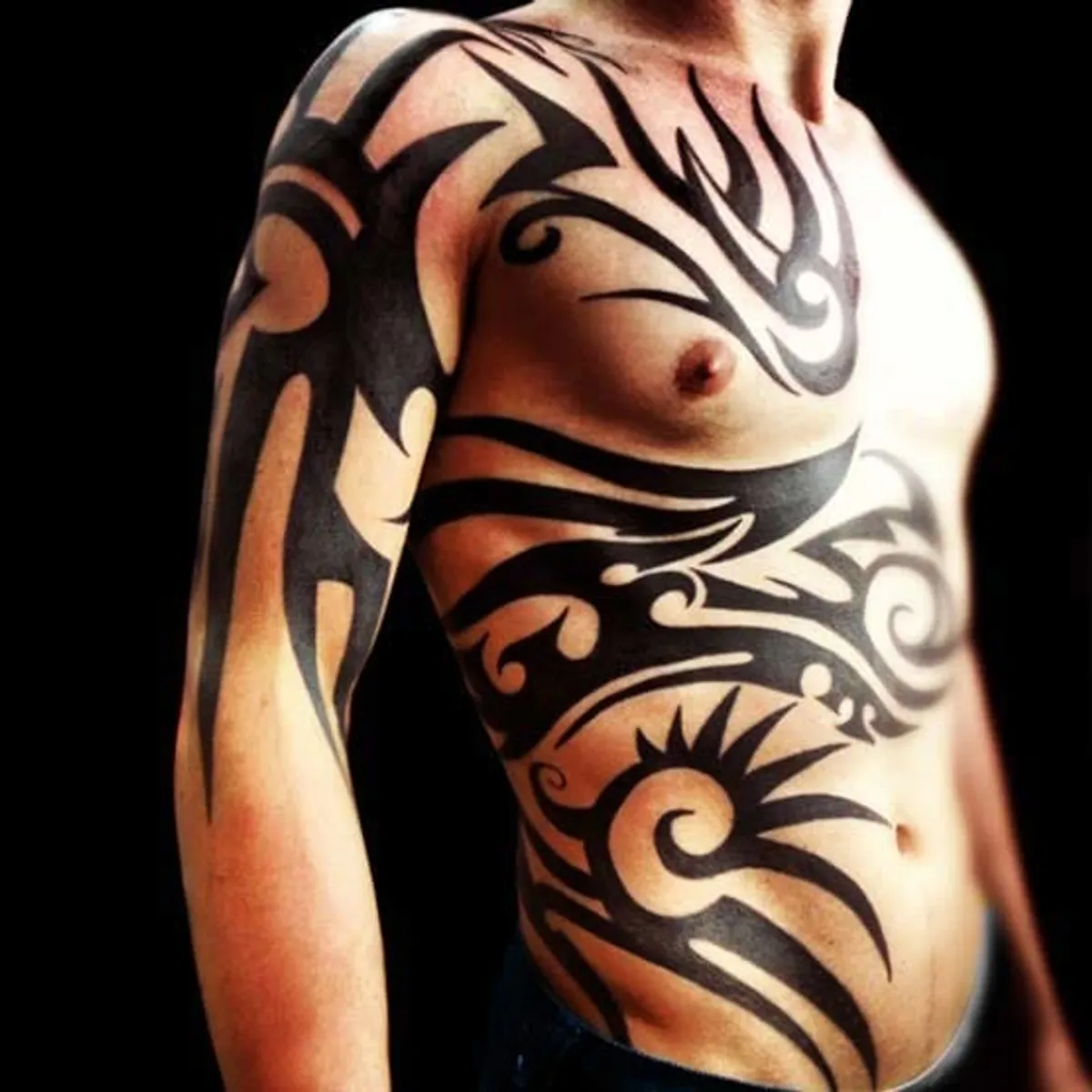
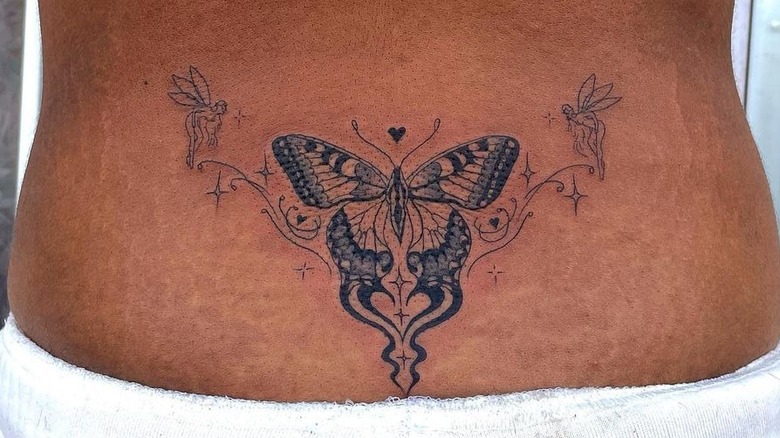
The 1990s were raw.
Tribal sleeves. Barbed wire armbands. Butterflies. Lower backs. Tattoo conventions were growing but still niche gatherings. In 1997, New York City finally lifted its 36-year tattoo ban, originally enacted after a 1961 hepatitis outbreak.
Tattooing was expanding… but it was still misunderstood.
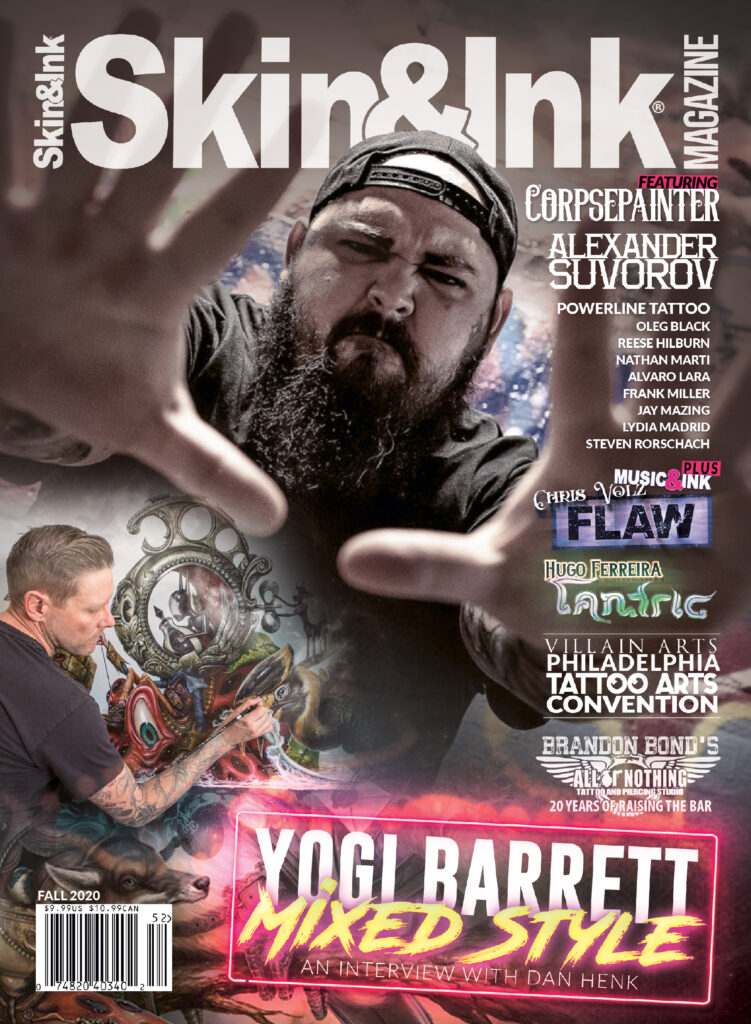
Skin & Ink operated during this inflection point. It documented artists seriously at a time when few outside the industry did. The photography was deliberate. The interviews were thoughtful. The layouts gave space for work to breathe.
Pre-social media, print was the pipeline. If your work appeared in Skin & Ink, it traveled nationally. It reached readers who might never step foot in your city.
In many ways, the magazine functioned as both gallery and bridge.
The Mainstream Breakthrough… 2000–2009
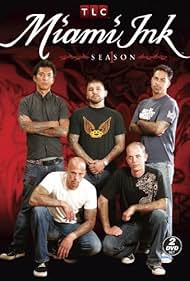
In 2005, Miami Ink exploded into living rooms worldwide.
Tattooing went from subculture to prime time.
Celebrity ink surged. Lower back pieces and fairy tattoos became common. By the end of the decade, roughly 40 percent of millennials had at least one tattoo. Photography evolved too. No longer simple documentation, tattoo imagery became art-directed… dramatic… intentional.
Skin & Ink responded by elevating print quality.
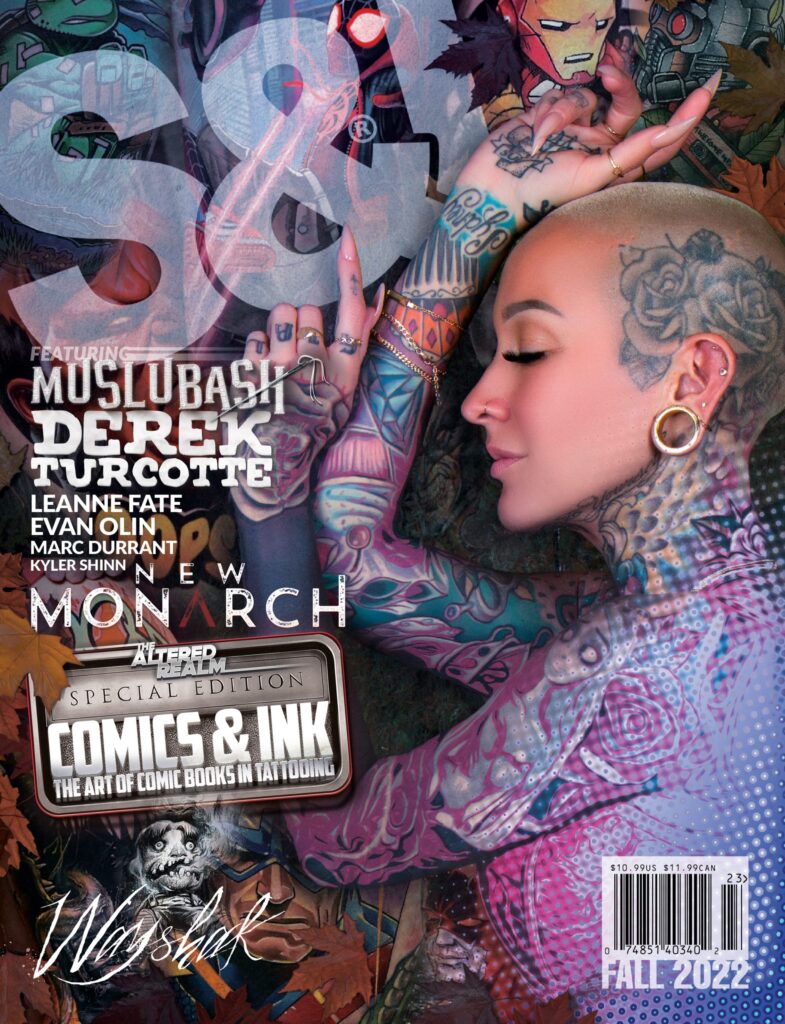
Premium paper. Full color spreads. Editorial polish. Tattoos were no longer just being shown… they were being framed. Presented like gallery pieces.
The magazine matured with the culture, refusing to drift into tabloid territory. While television sensationalized drama, Skin & Ink remained art-first.
It chronicled the normalization of ink without losing its soul.
The Instagram Revolution… 2010–2017
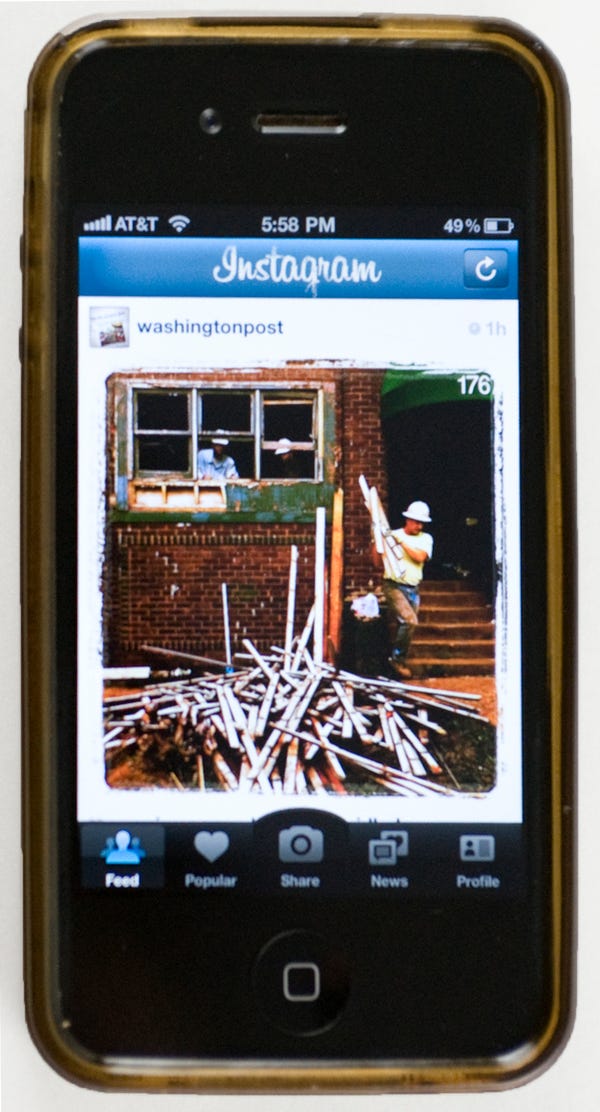
In 2010, Instagram launched.
Everything changed.
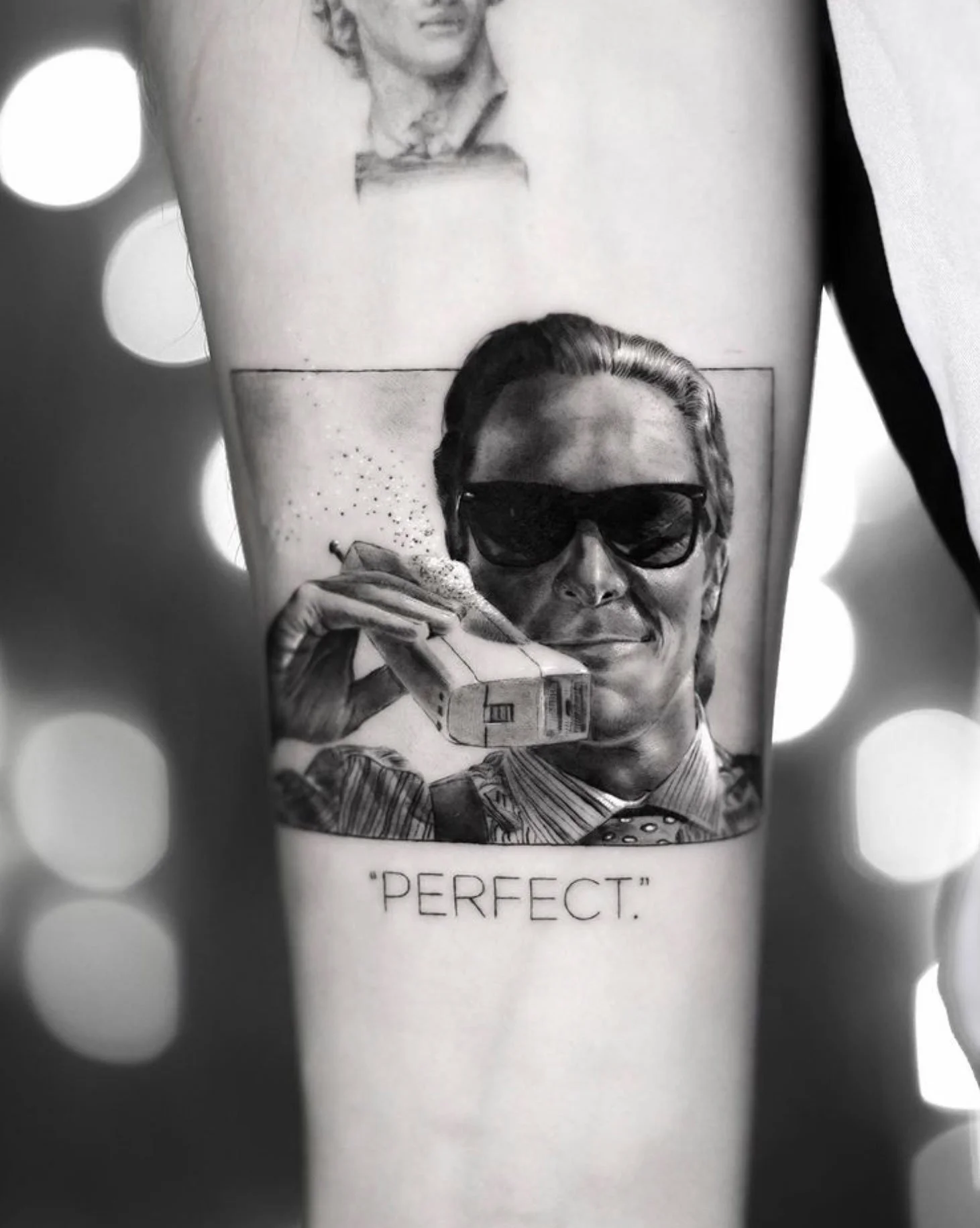
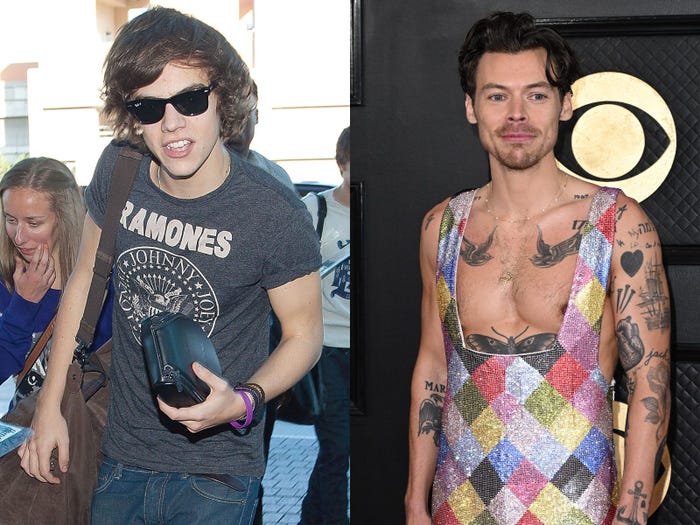
Artists no longer needed magazines to share their work. A phone and an account could build a global following. Fine-line tattoos. Micro realism. Minimalism. Neck and finger placements. Corporate professionals openly wearing visible ink.
Celebrity tattooers with two-year waitlists became normal.
Print could have faded.
Skin & Ink didn’t.
Instead, it bridged legacy and digital. It maintained editorial integrity while embracing online presence. In an era of instant content, it offered depth. Long-form storytelling. Cultural context. Global perspectives.
It became slower on purpose… and therefore more valuable.
The Versago Era… 2018–Present
When Scott Versago stepped into the role of Chief Creative Officer, Skin & Ink entered a new chapter.
Versago’s own path mirrors the culture’s evolution. He began tattooing in Canton, Ohio in the late 1990s, worked through Florida and New Orleans when tattoo legality still shifted city to city, left the industry for music and visual communications, then returned to build Empire Ink in 2008 as a fully custom, art-driven studio.
A viral moment repairing what was called the “world’s worst portrait tattoo” brought international media attention and a global client base. But the deeper thread was always storytelling… branding… cultural context.
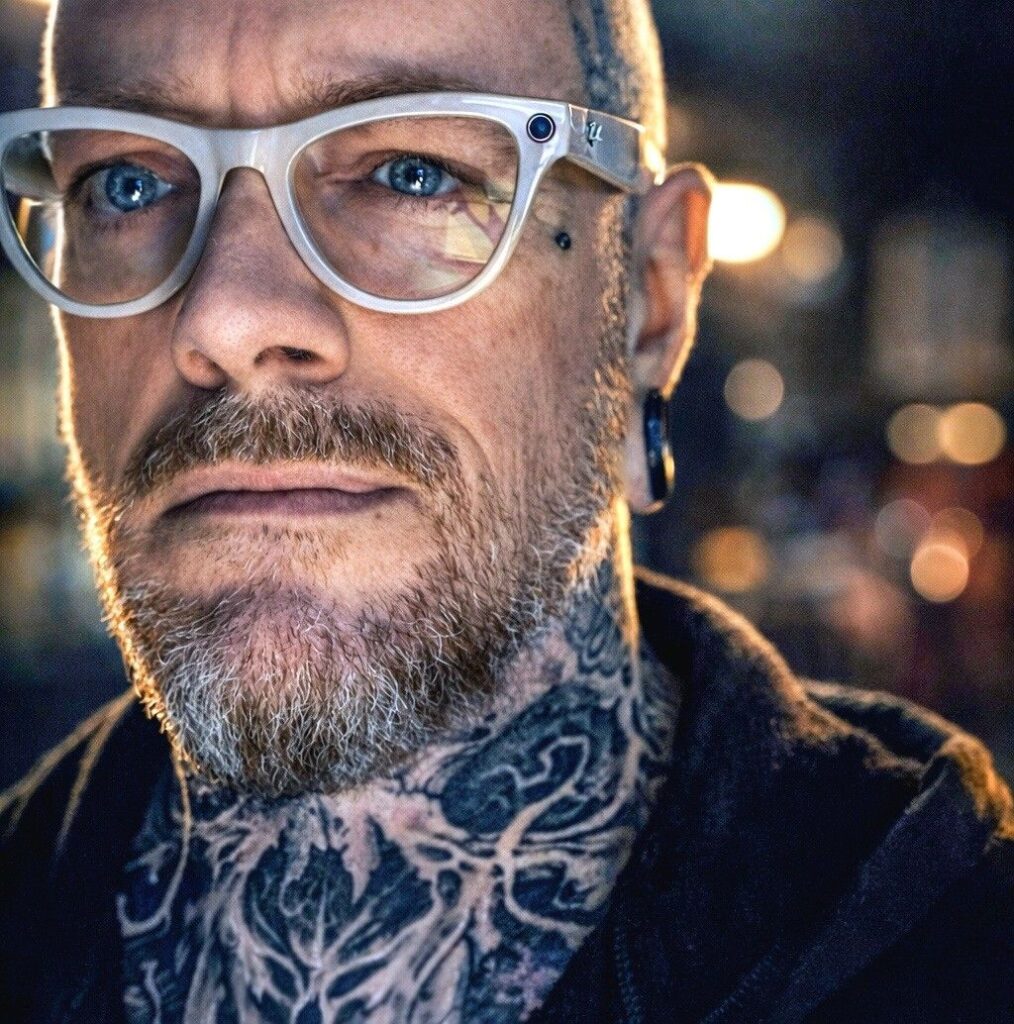
Under his creative leadership, Skin & Ink refined its identity:
Bi-monthly premium print model.
Anti-sensational editorial philosophy.
Long-form features over quick hits.
Global artist focus.
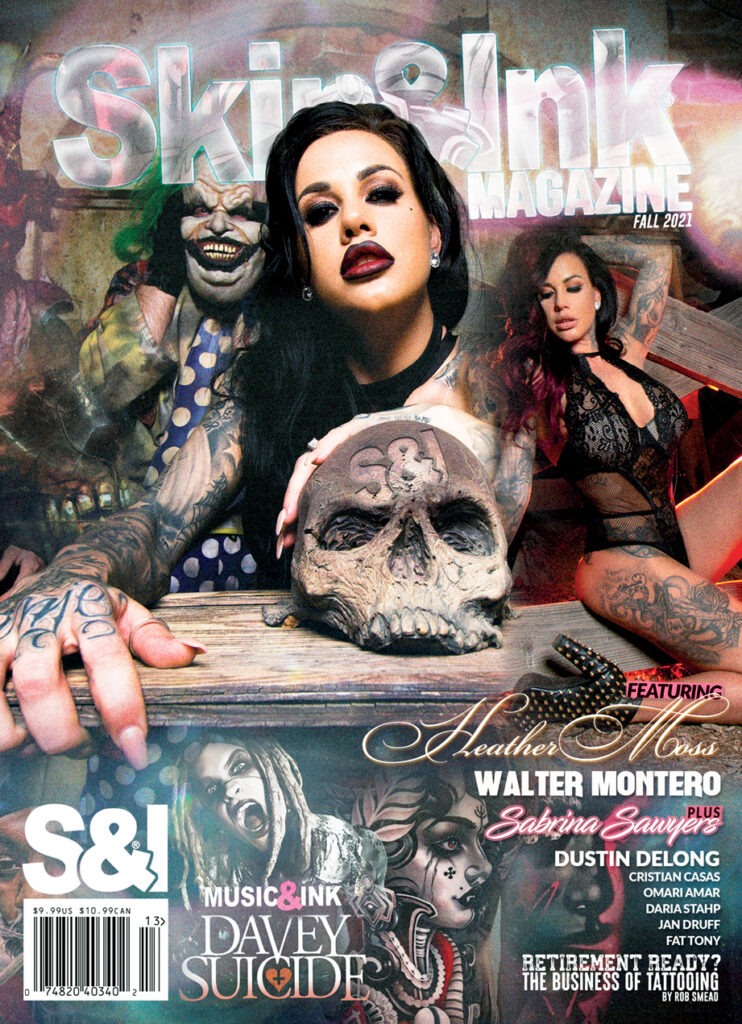
The 100th magazine cover milestone featuring Heather Moss in April 2025.
And more than that… integration.
Empire Ink evolves into Skin & Ink Studio. The magazine becomes ecosystem. Print, studio, design, publishing… parallel creative practices under one banner.
The mission returns to its roots, sharper than ever.
Art first.
More Than a Magazine
Skin & Ink launched when tattooing needed legitimacy.
It survived television.
It adapted through social media.
It continues in an age where everyone has a platform… yet few offer perspective.
For over three decades, the magazine has not chased trends. It has documented them. It has framed tattooing not as rebellion, not as novelty, not as viral content… but as a serious, evolving art form worthy of preservation.
It has witnessed the revolution.
And it is still printing the archive.