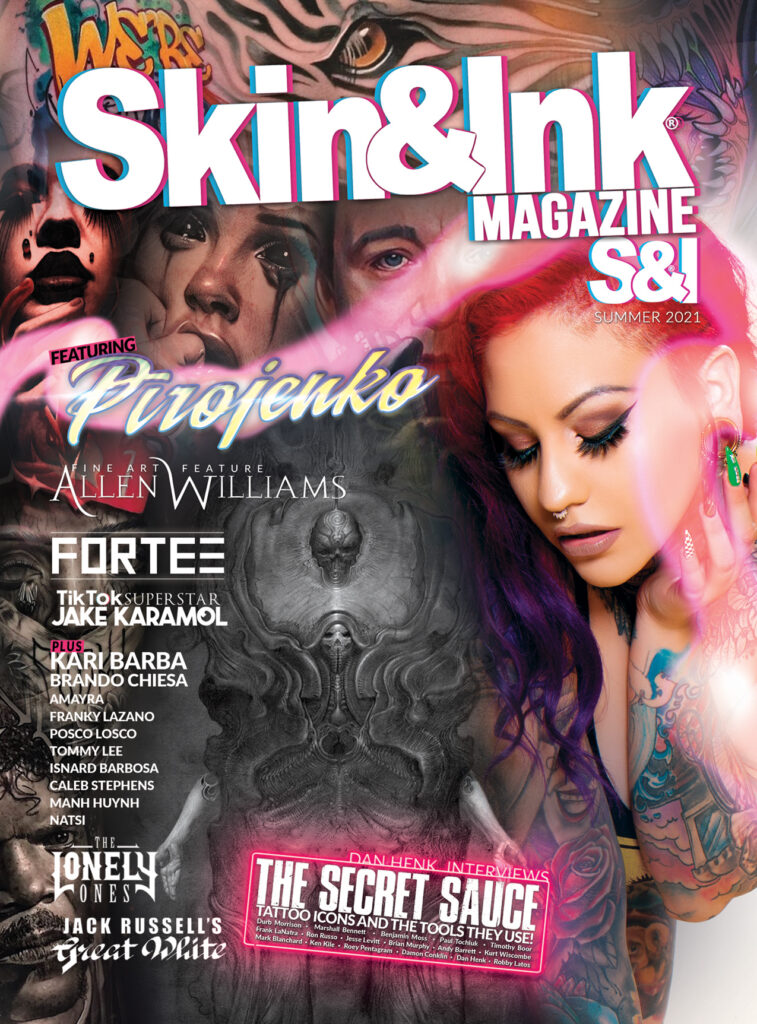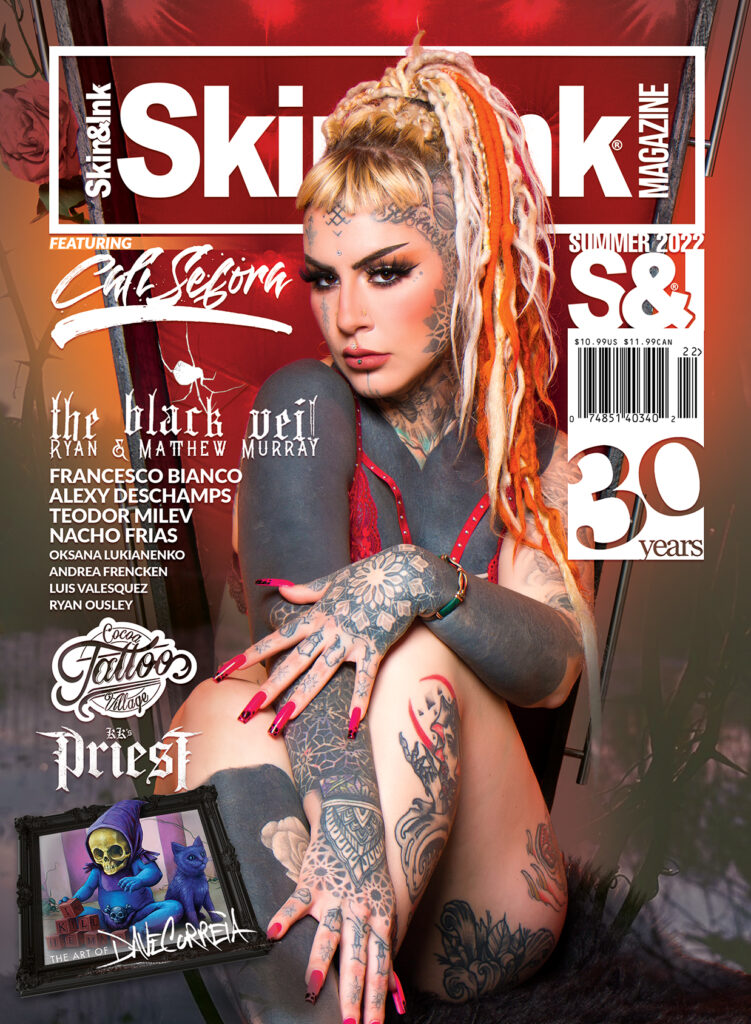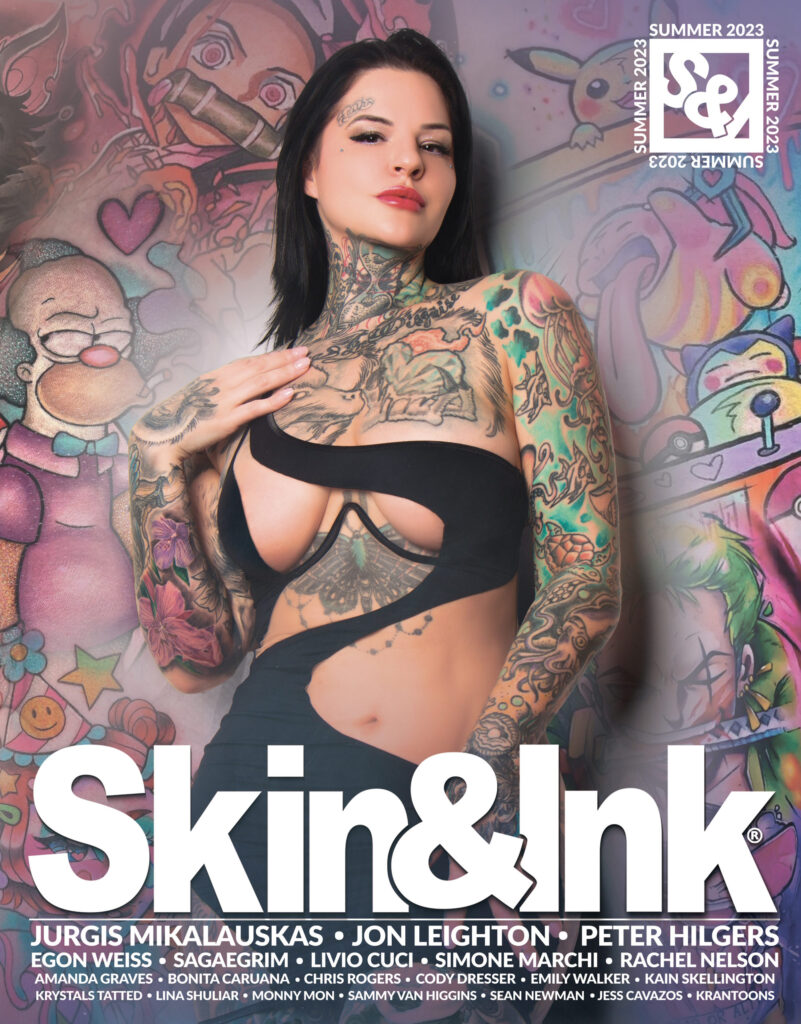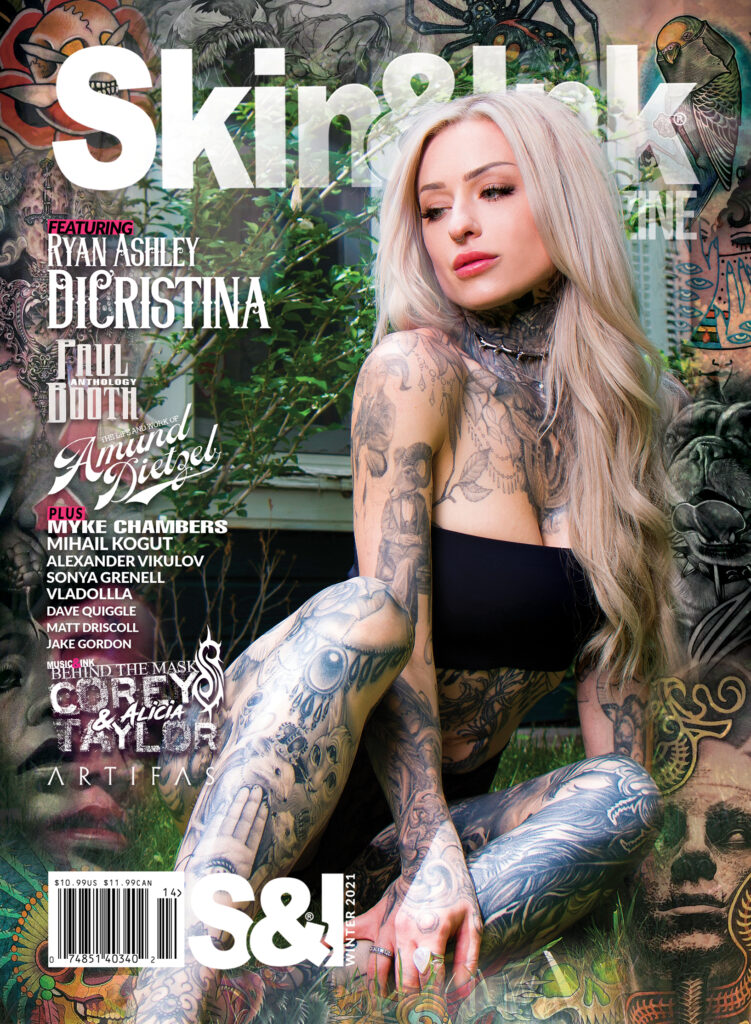
How Success Can Quietly Trap Tattoo Artists
At first, finding your style feels like freedom…
Eventually, it can start to feel like a sentence.
Every tattoo artist is told the same thing early on.
Find your style.
Stand out.
Be recognizable.
And for good reason. A clear visual voice helps artists build trust, attract the right clients, and establish identity in a crowded industry. Style becomes shorthand. It tells people what you do before you ever speak.
But there’s a moment many artists don’t see coming… the moment when that same style stops feeling like a foundation and starts feeling like a ceiling.
“The thing that makes you visible can eventually make you feel stuck.”
The Promise of a Signature Look
Style doesn’t arrive fully formed. It’s earned.
It comes from repetition, influence, trial and error, and years of refinement. At first, it’s exhilarating. Clients seek you out for that look. Your portfolio tightens. Your work becomes identifiable from across a room.
This is success.
This is momentum.
And it feels good… until it doesn’t.
When Recognition Turns Into Expectation
The shift is subtle.
Clients stop asking what you want to do.
They start asking for what they’ve already seen.
The same motifs. The same layouts. The same solutions.
Compliments begin to sound like instructions.
“I want it just like the one you did last month.”
“Don’t change your style… that’s why I came to you.”
What once felt affirming begins to feel restrictive. The work stays strong, but the curiosity fades. Growth slows, not because the artist lacks ideas, but because deviation feels risky.
“Success doesn’t trap you overnight. It tightens the walls slowly.”
The Fear of Breaking the Pattern
By the time an artist recognizes the cage, they’re often deeply invested in it.
The bills are paid.
The calendar is full.
The reputation is solid.
Experimentation now carries consequences. What if clients don’t follow? What if the new work doesn’t land? What if stepping outside the style weakens the brand that took years to build?
So artists compromise quietly. They explore ideas in sketchbooks but never on skin. They push creativity just enough to feel movement, but not enough to disrupt expectations.
The cage stays intact… polished, productive, and quietly suffocating.
Style vs. Identity
Here’s the truth most artists eventually confront.
Style is not identity.
It’s a snapshot of where you were when things clicked.
When artists confuse the two, evolution feels like betrayal. Changing direction feels like losing yourself, even when it’s actually reclaiming parts that were set aside.
Artists grow. Life changes. Perspective deepens. Style that doesn’t evolve alongside the artist eventually becomes misaligned. The work stays competent, but it stops feeling honest.
“A style that never changes eventually stops telling the truth.”
Why Some Artists Burn Out at the Peak
Burnout doesn’t always come from failure.
Sometimes it comes from success that no longer fits.
Artists at the height of recognition often feel pressure to maintain instead of explore. The work becomes about consistency instead of curiosity. Over time, tattooing starts to feel like repetition rather than expression.
This is where passion quietly drains away. Not because the artist has nothing left to say, but because they no longer feel allowed to say it.
Opening the Door Without Burning It Down
Escaping the cage doesn’t require destroying everything you’ve built.
It requires intention.
Artists who navigate this phase successfully introduce evolution gradually. They create space for side projects. They communicate openly with clients. They allow their style to stretch instead of fracture.
The goal isn’t reinvention for shock value.
It’s alignment.
Letting the work reflect who you are now, not who you were when the style first landed.
What Longevity Really Demands
Longevity in tattooing isn’t about staying the same.
It’s about staying honest.
Artists who last give themselves permission to grow publicly. They accept that not every client will follow, and that’s okay. The ones who do will be there for the right reasons.
Style should be a foundation… not a prison.
Your style should support you.
Not silence you.
The most powerful work often comes after the cage cracks… when artists stop protecting an image and start listening to themselves again.