Tattoo discipline is the foundation of great tattooing, even though it’s rarely visible. In a culture driven by speed, attention, and endless scrolling, the tattoos that endure are often created in moments of focus most people never witness. This article explores why discipline, restraint, and patience matter more than hype, and how the quiet habits of serious artists shape work that lasts a lifetime.
Why Tattoo Discipline Still Matters
Tattooing has always balanced art and responsibility. While trends shift and styles cycle, discipline remains the constant that protects the craft. It governs how artists approach skin, how they respect permanence, and how they show up day after day regardless of external noise.
Discipline is not about rigidity. It is about intention. It is the difference between reacting and choosing. Artists who cultivate discipline don’t rush decisions. They slow down long enough to understand placement, flow, and longevity.
The Work Before the Needle Ever Touches Skin
Every great tattoo begins long before the machine is switched on. Discipline shows up in preparation.
It lives in sketchbooks filled with redraws.
It shows up in practice sessions that happen when no one is watching.
It appears in stencil adjustments that add minutes now to save regret later.
This stage rarely gets credit, yet it determines everything that follows. A tattoo done with thoughtful preparation carries confidence into the execution phase. A rushed design carries hesitation into the skin.

Why Restraint Outperforms Raw Talent
Talent is an accelerant. Discipline is the engine.
Artists with natural ability often gain attention early, but attention alone does not sustain a career. Without restraint, talent becomes scattered. Lines get rushed. Skin gets overworked. Long-term quality suffers.
Restraint allows an artist to pause.
To edit instead of add.
To protect the skin instead of forcing the outcome.
Over time, restraint creates clarity. Tattoos heal better. Styles mature. Reputations strengthen.
Silence as a Creative Environment
Many of the best studios share a similar atmosphere. Calm rooms. Clean stations. Focused energy.
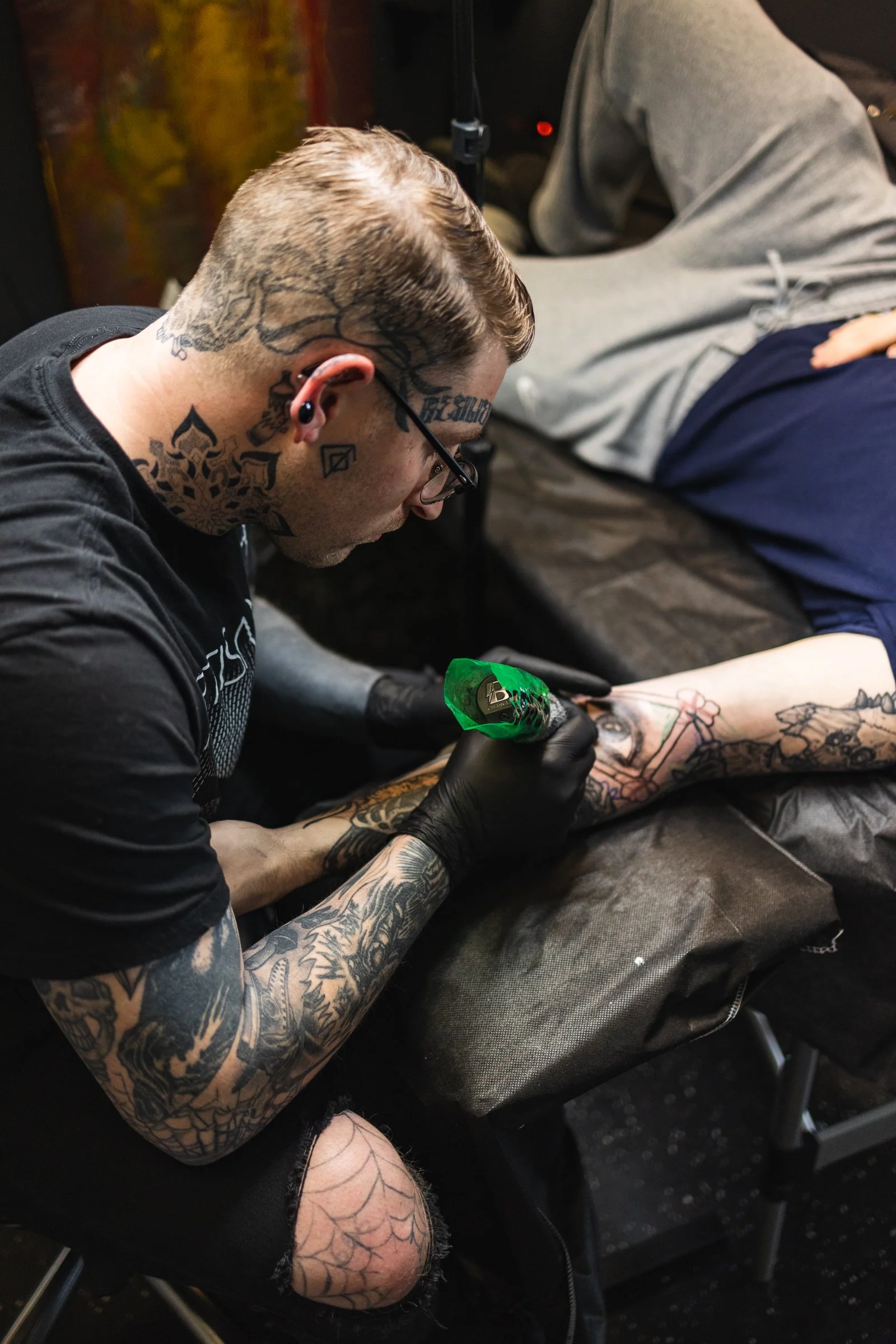
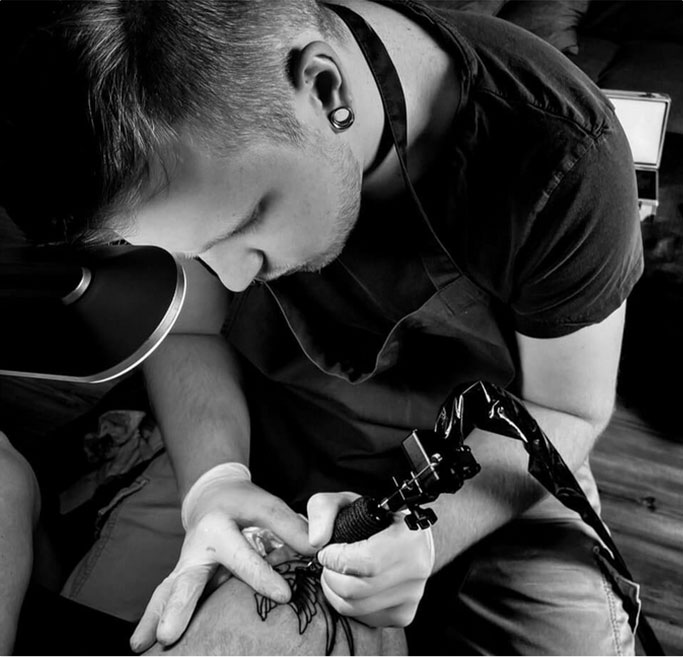
Silence in tattooing is not emptiness. It is concentration. It allows the artist to listen to the skin, to the machine, and to their own instincts. It allows clients to settle into the experience instead of feeling rushed through it.
In silence, tattooing becomes less about performance and more about precision.
The Discipline of Saying No
One of the most important skills in tattooing has nothing to do with technique.
It is knowing when to say no.
Saying no to designs that don’t fit the body.
Saying no to trends that conflict with longevity.
Saying no to rushing work that deserves time.
These decisions protect both the client and the artist. Over time, they define an artist’s voice more clearly than any single tattoo ever could.
Repetition Is Where Mastery Lives
Discipline thrives in repetition.
Clean lines come from thousands of lines drawn correctly.
Smooth shading comes from controlled movement repeated endlessly.
Confidence comes from mistakes corrected early and quietly.
There is no shortcut here. Mastery grows slowly. Artists who embrace repetition understand that consistency compounds. Each disciplined session builds toward work that feels effortless, even though it never was.
Why the Quiet Artists Last
The tattoo industry rewards visibility, but it is built on trust.
Artists who last decades understand that trust is earned through consistency, not volume. Their names travel because their work holds up. Their clients return because they feel respected.
Quiet artists rarely chase attention. They let healed tattoos speak for them.
Tattooing as a Long-Term Commitment
Tattooing is permanent by nature. Discipline honors that permanence.
Every decision an artist makes carries forward into someone else’s future. This reality demands patience, humility, and respect for the craft. Artists who understand this don’t rush. They don’t cut corners. They don’t compromise fundamentals for momentary recognition.
They work steadily, thoughtfully, and quietly.
Great tattoos are not accidents.
They are the result of discipline practiced daily, often unseen. In a world that celebrates noise, the artists who choose to focus over flash create work that endures.
Quiet discipline is not a limitation.
It is the foundation of lasting tattoo art.