How Tattoos Mark Survival, Loss, and Becoming
Tattoos are evidence. Evidence that something happened. Evidence that someone survived it. Evidence that a moment mattered enough to carry forward.
In tattoo culture, ink isn’t just imagery. It’s documentation. A record written on skin when words fall short. Long after memories blur and stories change shape, tattoos remain fixed… quiet witnesses to who someone was and who they chose to become.
Why People Turn to Tattoos After Life Changes
People rarely get tattoos during calm seasons.
They come after loss.
After recovery.
After identity shifts that don’t fit neatly into language.
A tattoo becomes a line in the sand. Before this, after this. Not as decoration, but as confirmation. Something visible. Something real. Something that says, “I was here, and this mattered.”
Tattooing gives form to experiences that resist explanation.
Tattoos as Time Stamps
Every experienced tattooer recognizes this pattern.
A date tucked into a design.
A symbol that only makes sense to one person.
A piece placed where it can be seen or hidden depending on the day.
Tattoos don’t freeze time. They anchor it. They mark chapters the way scars do, except with intention. They allow people to carry memory without constantly reopening it.
When Skin Becomes a Record
Skin tells the truth.
It stretches.
It scars.
It heals imperfectly.
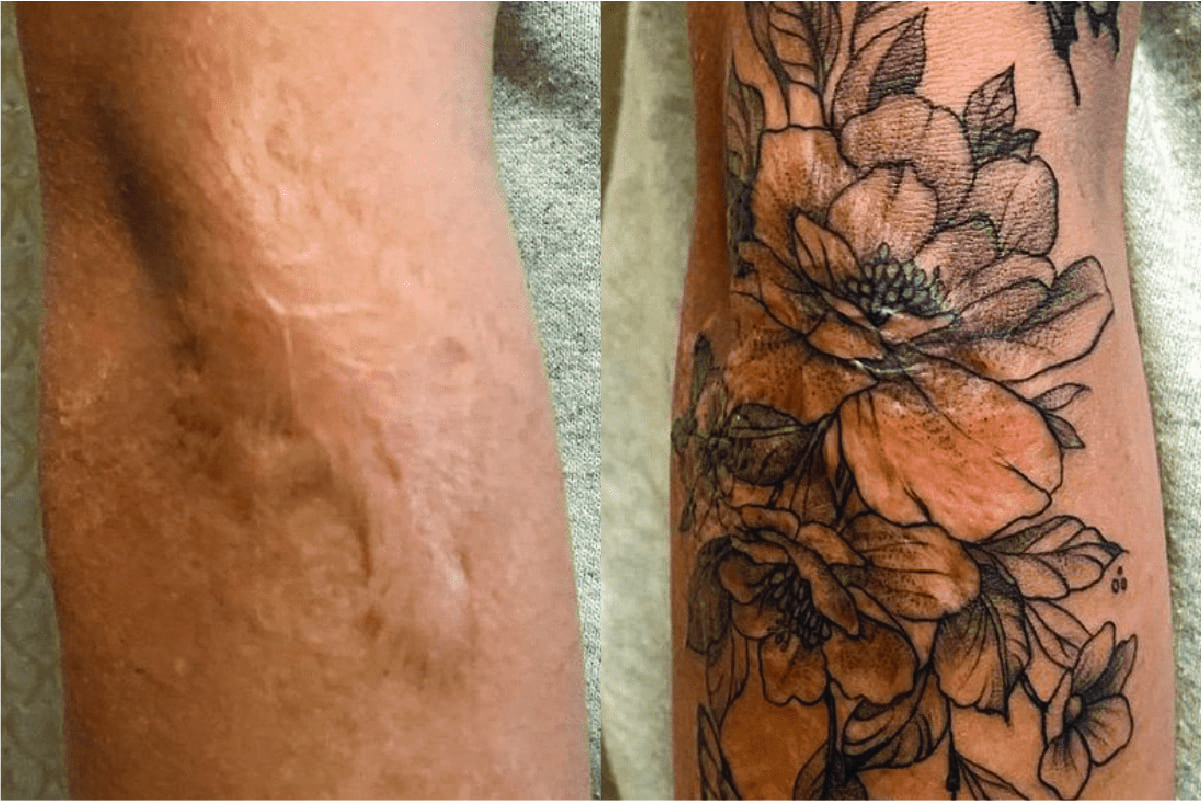
When tattoos intersect with scars, stretch marks, or trauma, the work becomes collaborative in a deeper way. Artists aren’t just applying ink. They’re helping rewrite a relationship with the body.
Cover-ups, memorial pieces, and reclamation tattoos aren’t about erasing the past. They’re about reframing it.
What Artists Learn From These Moments
Tattooers become witnesses whether they ask to or not.
They hear stories that aren’t shared elsewhere.
They hold silence when words run out.
They learn when to speak and when to let the machine do the talking.
These sessions change the artist too. Over time, tattooing teaches restraint, empathy, and responsibility. The work demands care not just for the skin, but for the story attached to it.
Why Evidence Matters More Than Aesthetics
A beautiful tattoo can impress.
A meaningful tattoo endures.
Ink as evidence isn’t about perfection. It’s about accuracy. Does the tattoo tell the truth of the moment it represents? Does it honor what came before without exploiting it?
Artists who understand this don’t push concepts. They listen. They simplify. They let the tattoo carry weight without excess.
Tattoos Outlast the Moment
Life moves on. Grief softens. Pain dulls. Pride evolves.
The tattoo stays.
Years later, people may forget exactly how they felt that day, but they remember why they chose to mark it. The tattoo becomes a fixed point in a shifting life. Proof that they lived through something real.
Why Tattooing Holds Cultural Weight
Tattooing has always been tied to survival, identity, and belonging.
Long before studios and machines, marks on skin told stories of lineage, loss, protection, and passage. Modern tattooing carries that legacy forward, even when the imagery changes.
Ink remains evidence… not of trend, but of experience.
Some tattoos are chosen lightly. Many are not. The ones that matter most don’t ask to be understood by anyone else. They simply exist, quietly affirming that something happened, and the person wearing them made it through.