Why Environment Shapes the Art, the Experience, and the Outcome
Tattoo studios are more than workplaces. They are environments where permanence is created, trust is negotiated, and focus is tested. The moment someone walks through the door, the space begins shaping the tattoo long before the needle does.
Artists know this instinctively. The room matters. The energy matters. The details matter. A studio isn’t just where tattoos happen… it’s part of the tattoo itself.
First Impressions Carry Weight
People feel a studio before they understand it.
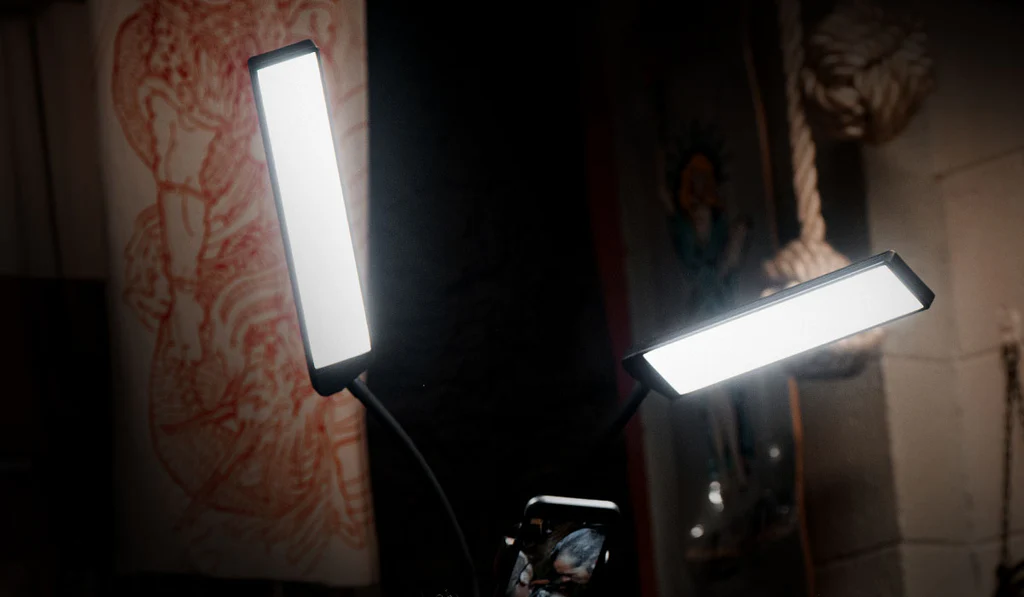
Lighting sets tone.
Cleanliness builds trust.
Sound influences nerves.
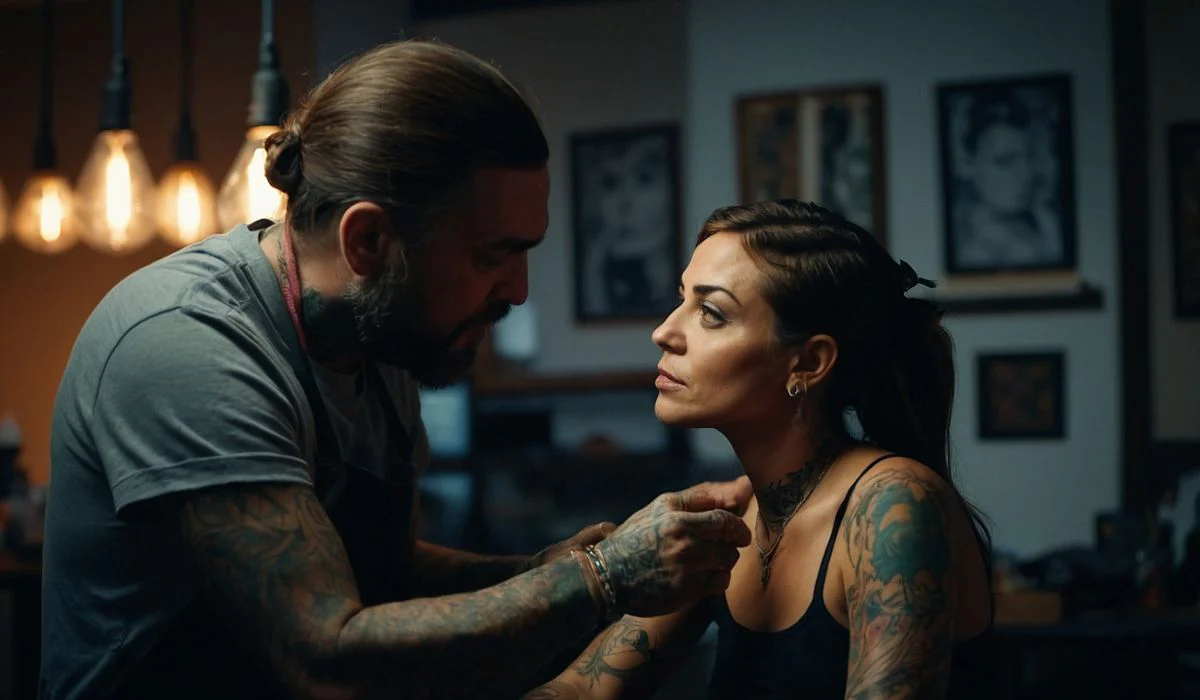
A calm, intentional space signals professionalism without saying a word. Clients relax when they sense order and care. Artists work better when distractions fade. The studio becomes a container for focus, not chaos.
This isn’t about aesthetics for show. It’s about creating an environment where attention can live.
Cleanliness Is Culture
Cleanliness in a tattoo studio isn’t just a regulation. It’s a philosophy.
A well-kept station reflects respect… for the craft, the client, and the body being worked on. When tools are organized and surfaces are deliberate, artists move with confidence instead of hesitation.
Clients notice this immediately. Even if they don’t know why they feel comfortable, they do. Cleanliness communicates seriousness. It sets a baseline for trust before the first conversation even begins.
Silence, Sound, and Focus
Sound design matters more than most people realize.
Some studios thrive on controlled quiet.
Others use music to steady nerves.
The key is intention.
Unnecessary noise fractures concentration. A well-considered soundscape supports rhythm and pace. Tattooing is a physical process that benefits from flow. When the room supports that flow, the work improves.
The studio becomes a partner instead of a distraction.
The Studio Shapes Behavior
Artists behave differently in spaces that demand respect.
They prepare more carefully.
They rush less.
They stay present longer.
Clients mirror this energy. They ask better questions. They trust more easily. They understand that something meaningful is happening. The studio sets expectations without needing rules posted on the wall.
Environment teaches etiquette quietly.
Sacred Doesn’t Mean Serious
Calling a studio sacred doesn’t mean it has to feel stiff or unwelcoming.
Sacred means intentional.
Sacred means protected.
Sacred means respected.
Laughter still happens. Stories still unfold. But the underlying tone remains grounded. The space holds both humanity and discipline. That balance is where great tattooing lives.
Why Artists Protect Their Space
Artists who last learn to guard their environment.
They curate who works beside them.
They control clutter.
They resist turning studios into content farms.
This isn’t ego. It’s preservation. When the space is compromised, the work follows. Protecting the studio is protecting the craft.
Over time, the studio becomes an extension of the artist’s mindset.
What Clients Carry With Them
People leave with more than ink.
They carry the memory of how the space felt.
They remember whether they were rushed or respected.
They remember if the room made them feel safe.
These impressions shape how tattoos are remembered long after they heal. A strong studio elevates the experience without demanding attention for itself.
Why the Space Still Matters
Tattooing evolves. Machines change. Styles shift. Platforms come and go.
But the need for intentional space doesn’t disappear.
A studio that honors focus, cleanliness, and respect creates better tattoos. It supports better decisions. It sustains artists longer.
The best studios don’t try to impress.
They try to hold space.
And in doing so, they elevate everything created inside them.