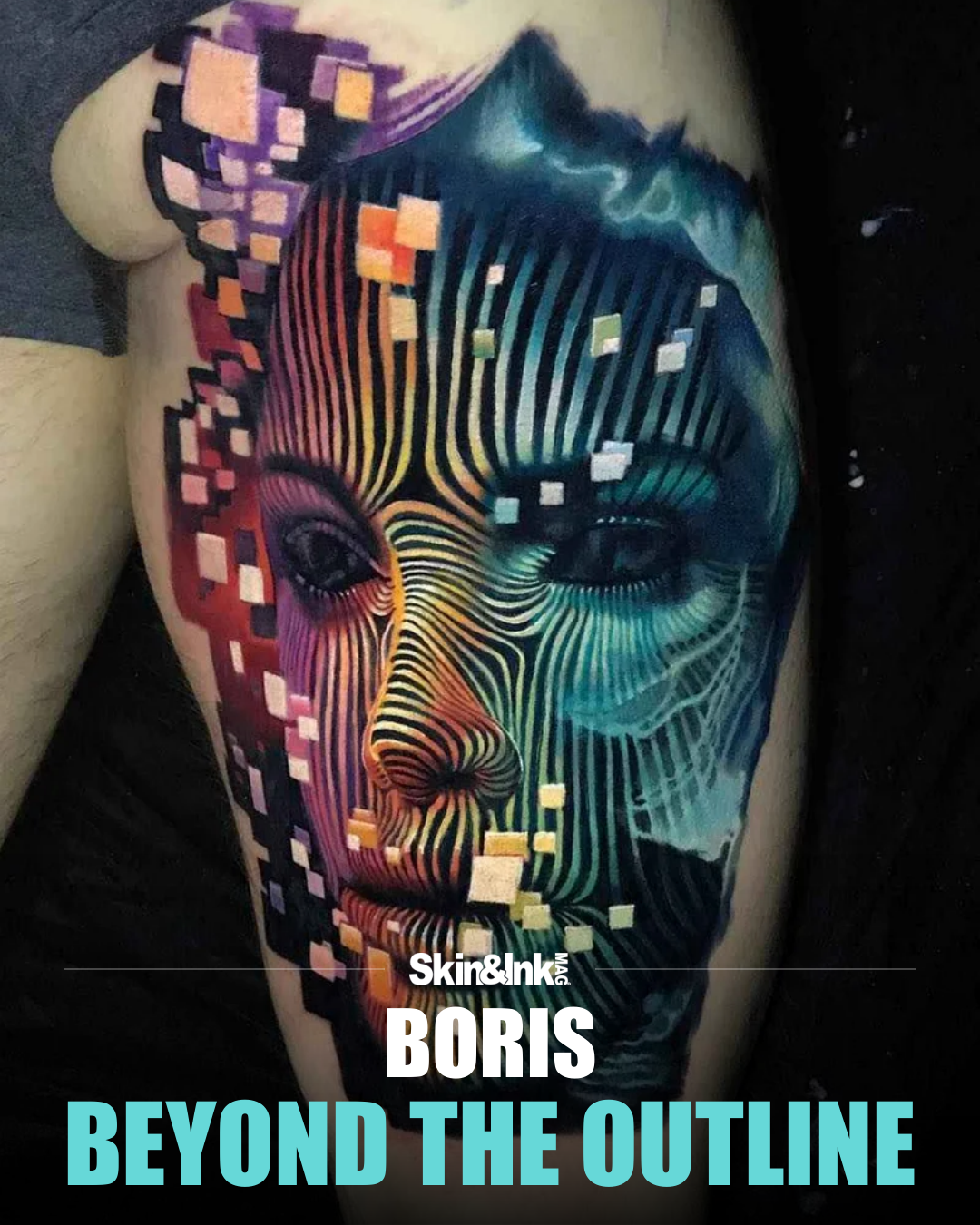
The face is there. It’s also falling into pieces.
In this tattoo by Boris, recognizable facial features appear through a construction of colored bands, blocks and interrupted surfaces. The image has enough human structure to draw you in, but that structure is repeatedly cut across. Some areas suggest volume. Others look closer to graphic fragments. Your eye keeps switching between reading a person and reading a pattern.
That back-and-forth is the point of interest. The tattoo doesn’t choose between a believable face and an impossible one. It makes the two occupy the same space.
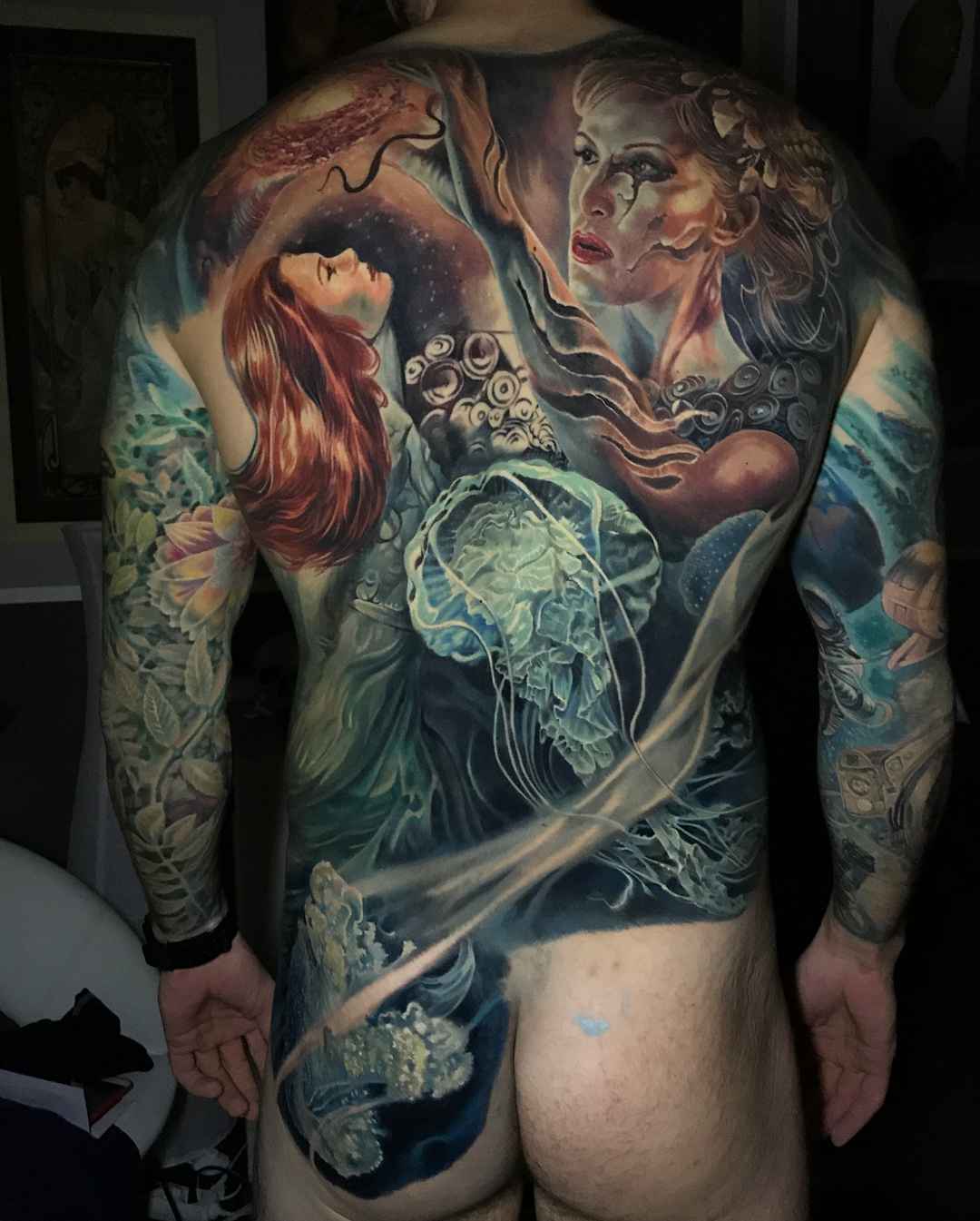
Boris described his work as sitting around realism and fantasy in a 2025 World Tattoo Events interview. He also discussed the earlier resistance he encountered around realism without conventional outlines. The featured image offers a more direct argument for paying attention: it turns recognition into something you have to keep rebuilding.
The palette is doing important work. Warm pinks and oranges sit against cooler greens and blues. Rather than treating the whole face as a single continuous surface, those changes divide it into areas with different visual temperatures. Dark passages give the brighter segments room to separate. The image can be busy without every part shouting at exactly the same volume.
There’s also a difference between fragmentation and randomness. The visible features still establish a human face. The interruptions don’t erase that underlying arrangement; they make you more aware of it. You recognize enough to notice what has been disturbed.
On the arm, that tension has a physical setting. The face occupies a rounded surface rather than a screen, and the graphic pieces sit within the same bodily space as the more dimensional passages. The photographed angle gives us one view of that relationship, not the complete experience of walking around it.
It would be easy to attach a story about identity, technology or a fractured self. Those are possible readings, not facts we can assign to the artist or wearer. The image doesn’t need an invented explanation to be compelling.
It already gives you something concrete to do: find the face, lose it in the pattern, then find it again. Realism supplies the familiar structure. The impossible part keeps that structure from becoming comfortable.
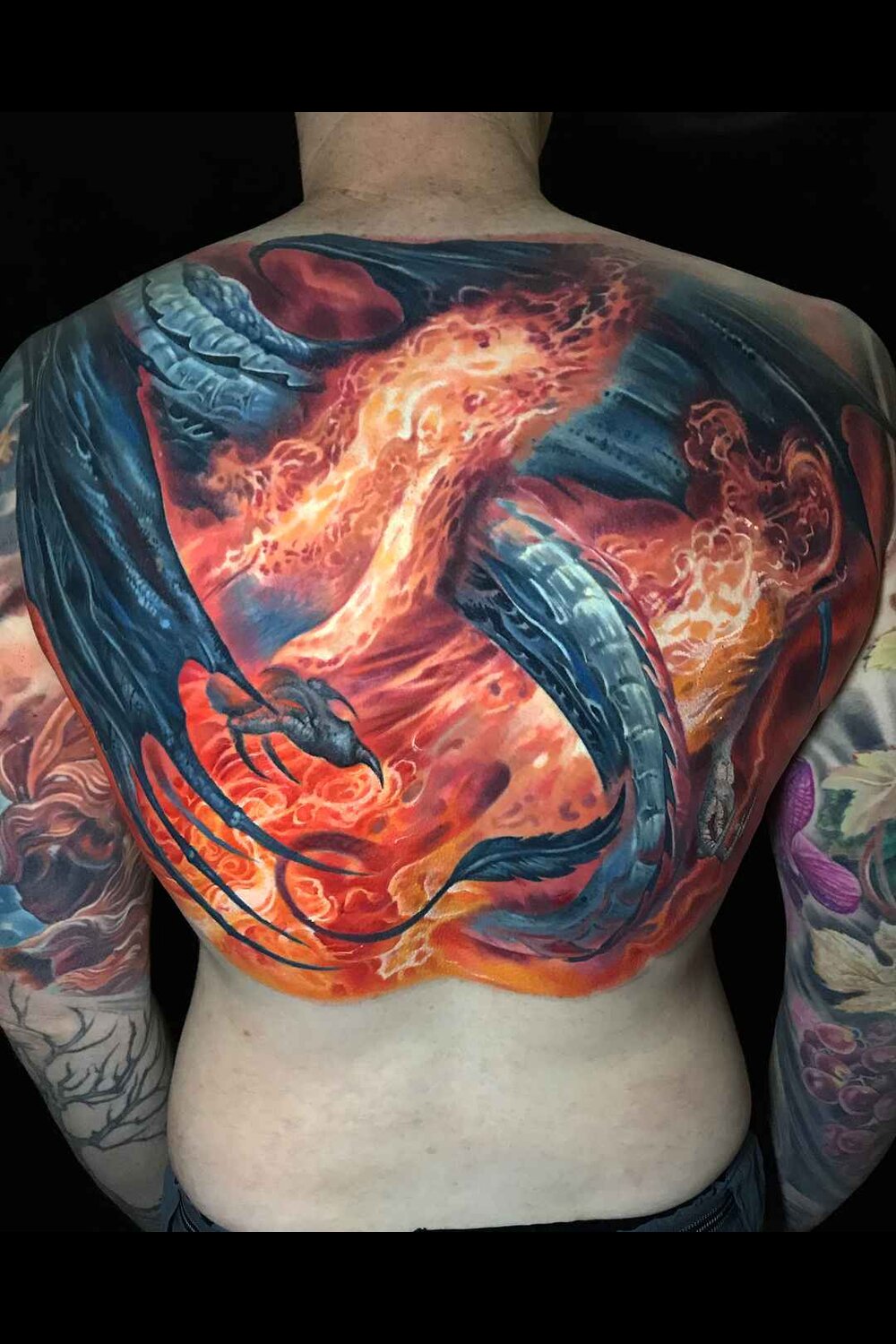
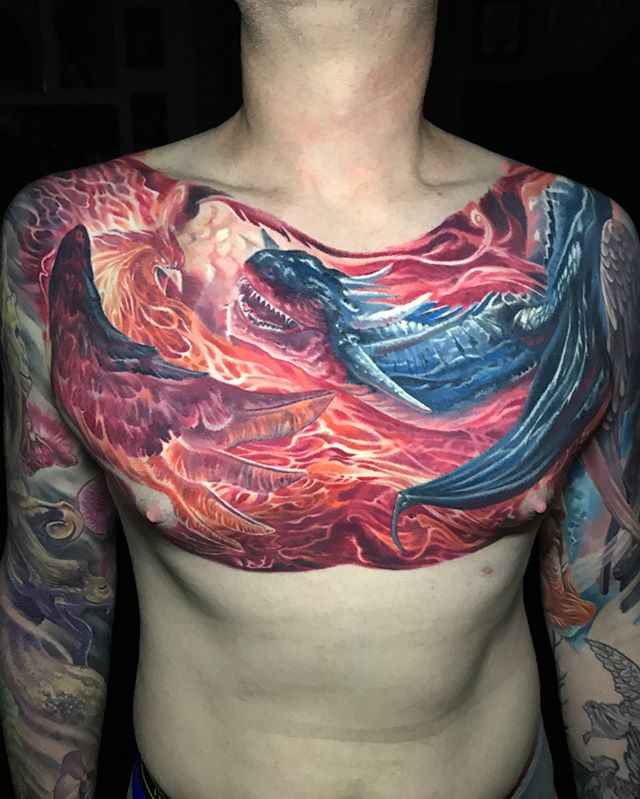
Explore more work from Boris.
Tattoo artwork by Boris.
Sources: inkppl.com, www.worldtattooevents.com.