Abstraction allows private stories and open interpretation to coexist on skin.
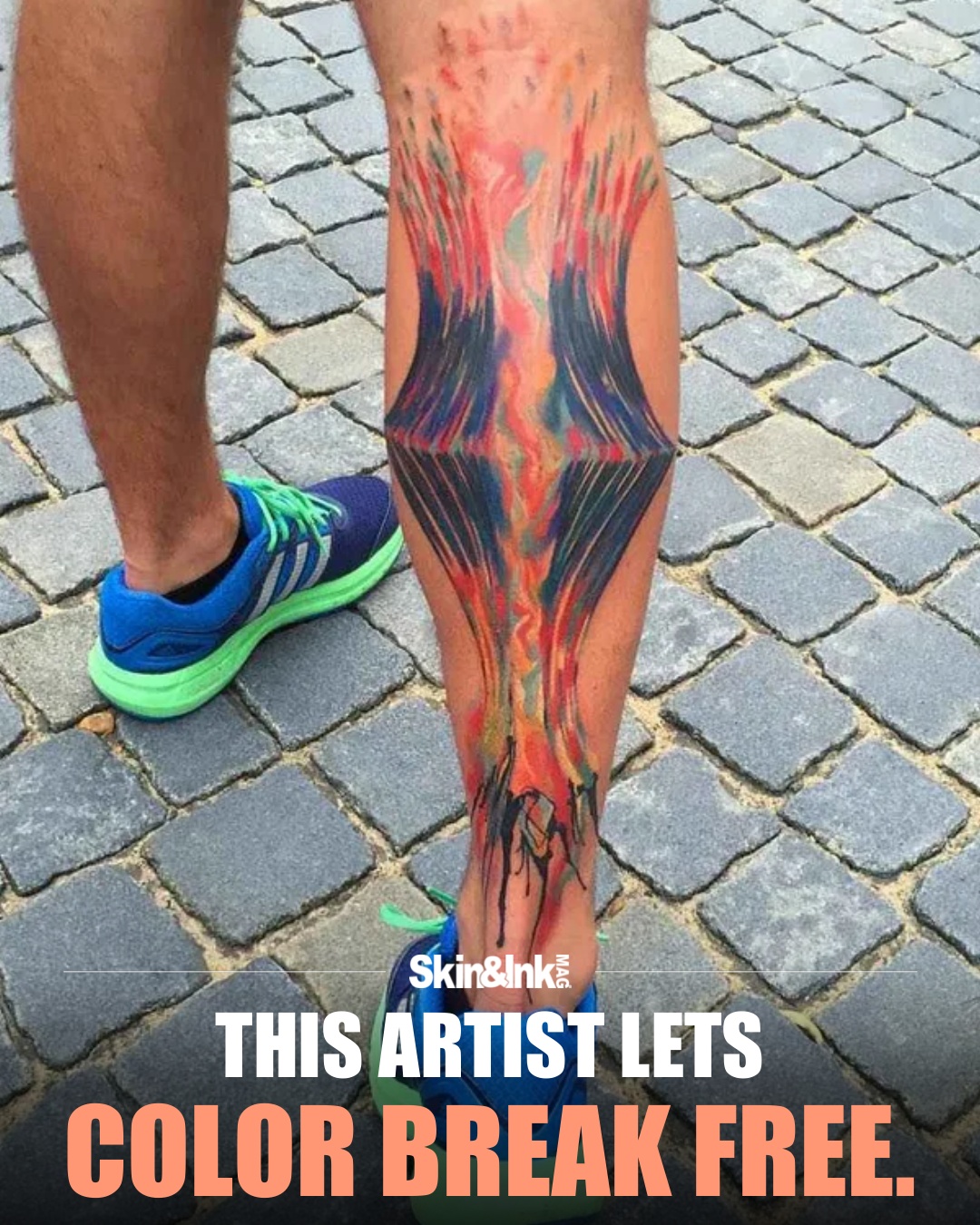
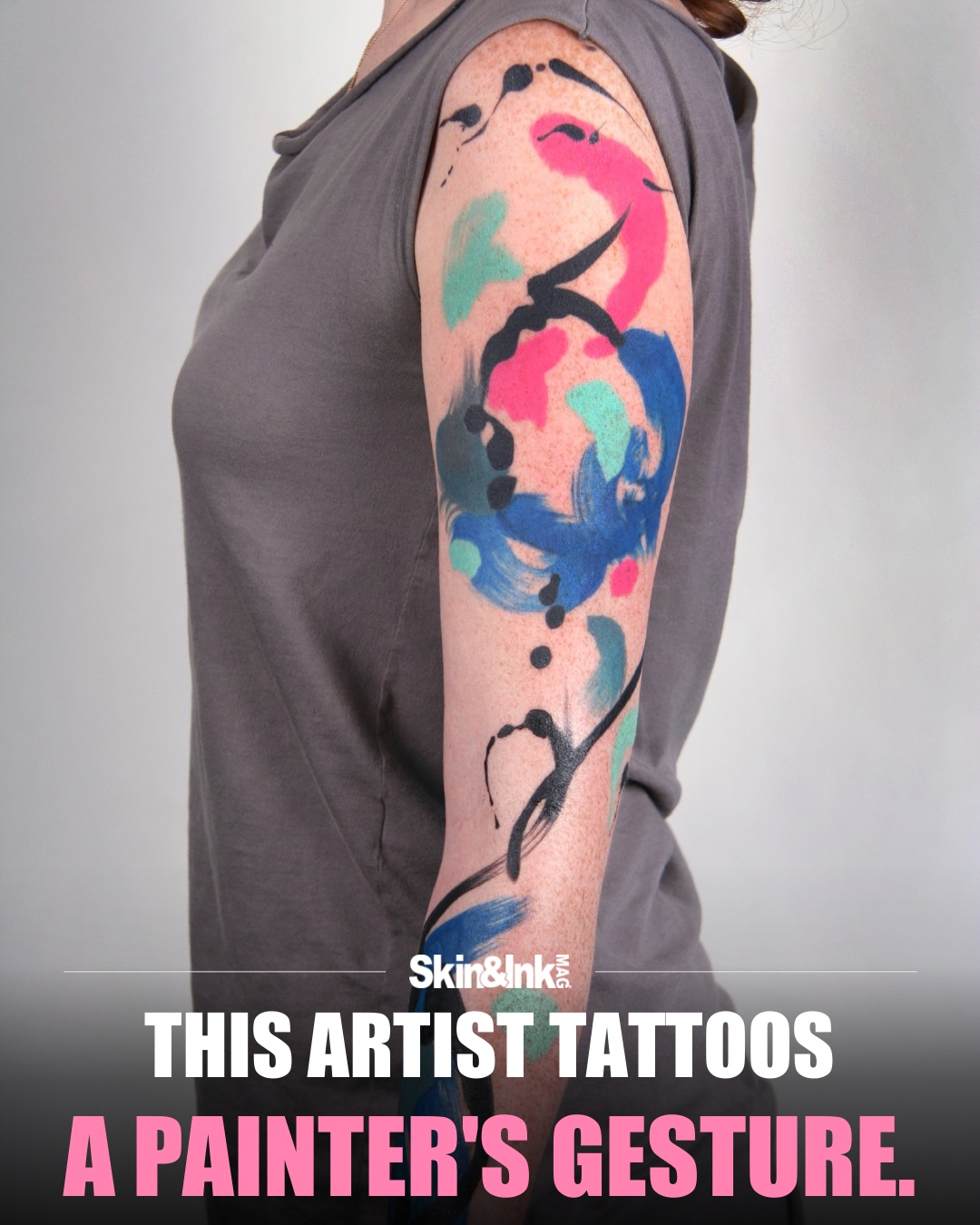
Some tattoos announce their subject immediately. Ondrash makes room for an image to remain open. Color, movement and unfinished edges invite the viewer to look for connections without demanding a single answer. The result can feel closer to encountering a painting than reading a fixed emblem.
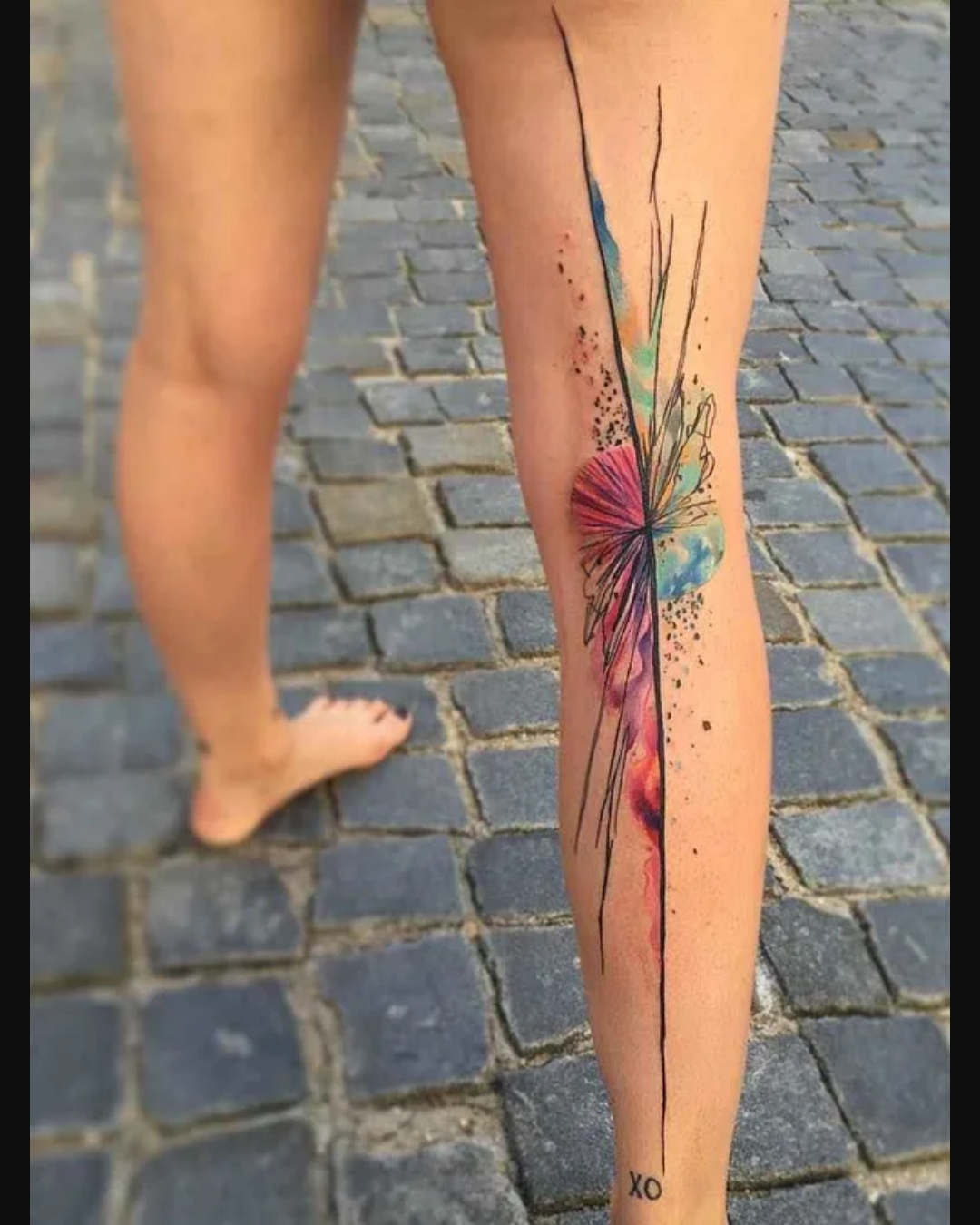
Ondrash is Ondřej Konupčík, a tattoo artist and painter whose official account describes a progression from watercolor-inspired motifs toward abstraction. That distinction matters. The watercolor label follows artists long after their interests have shifted. His own explanation places the emphasis on movement, spontaneity and the possibilities of a design that leaves room for more.
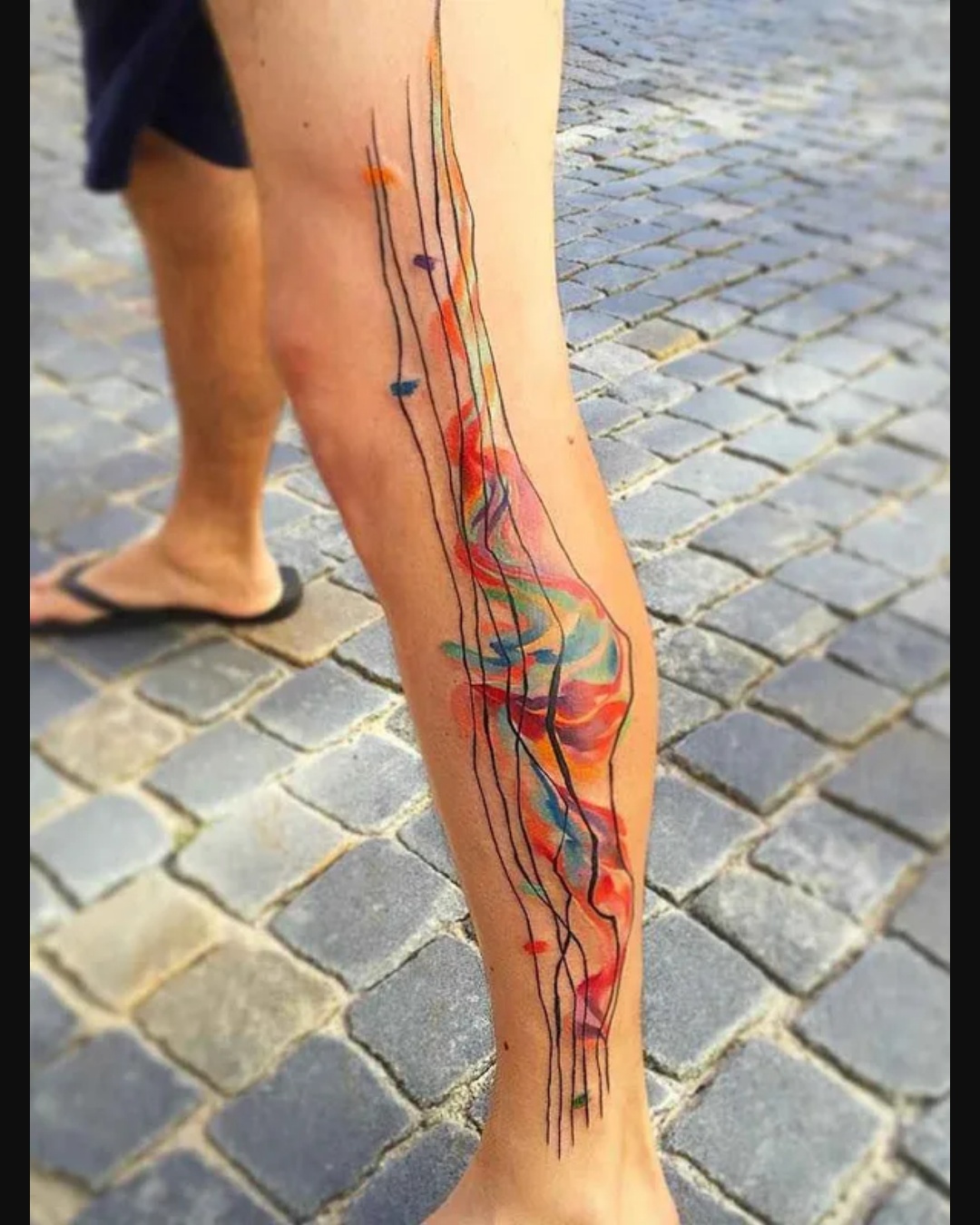
For a viewer, abstraction changes the task. You can follow a color transition before identifying a figure. You can respond to the energy of a mark without knowing what event it represents. A tattoo may hold a precise significance for its wearer while allowing everyone else a more uncertain encounter.
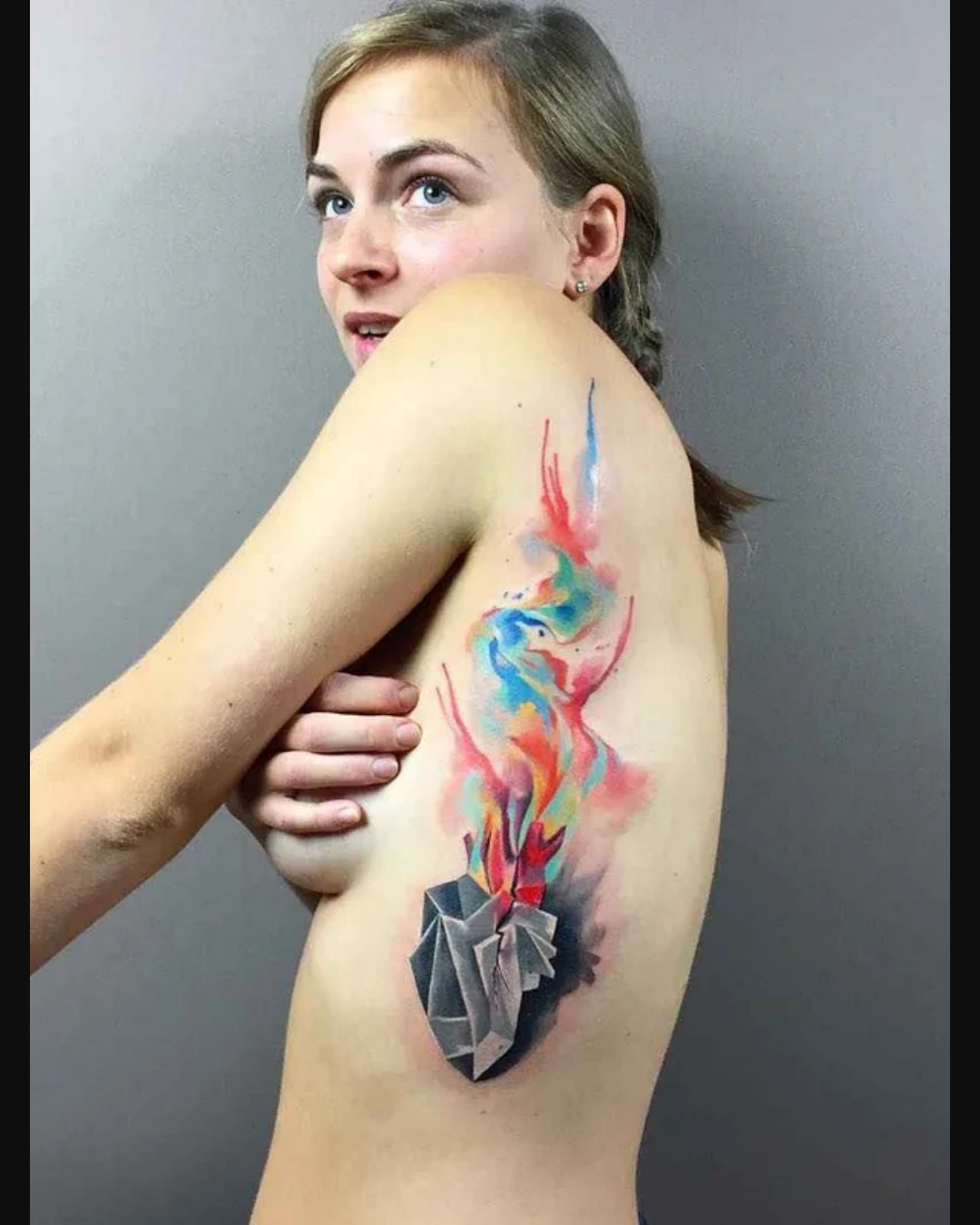
That uncertainty can be generous. A literal image often directs attention toward recognition. An abstract composition asks you to notice pace, density and tension. Where does a shape gather force? Where does it loosen? How does the surrounding skin interrupt or extend it? These questions make the body part of the reading rather than a neutral background.
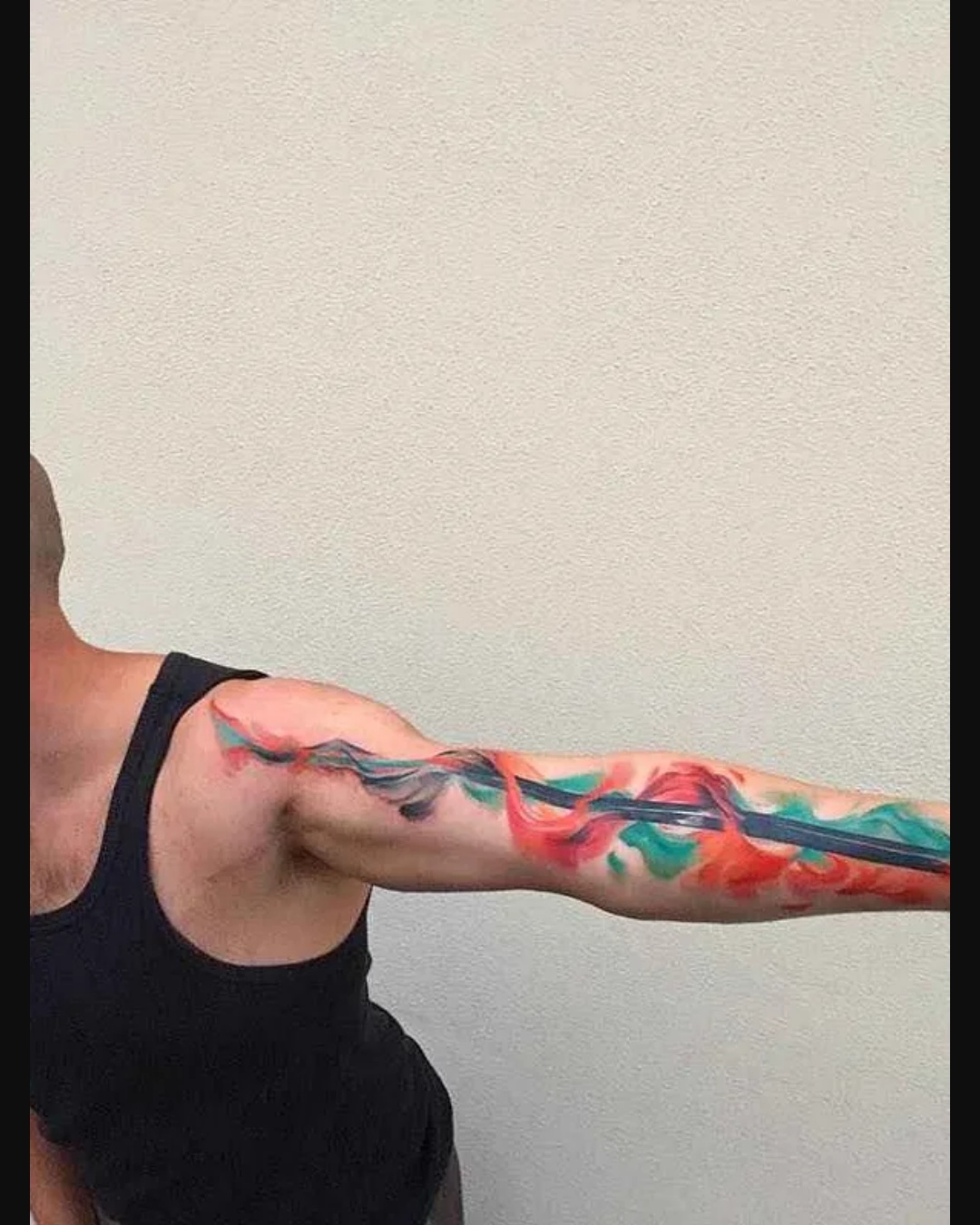
Ondrash describes conversation with each client as an essential stage of his process, followed by a sketch developed on the skin. The personal story informs the work without obliging the finished tattoo to explain that story to strangers. There is something valuable in that boundary. Public visibility and private meaning can coexist.
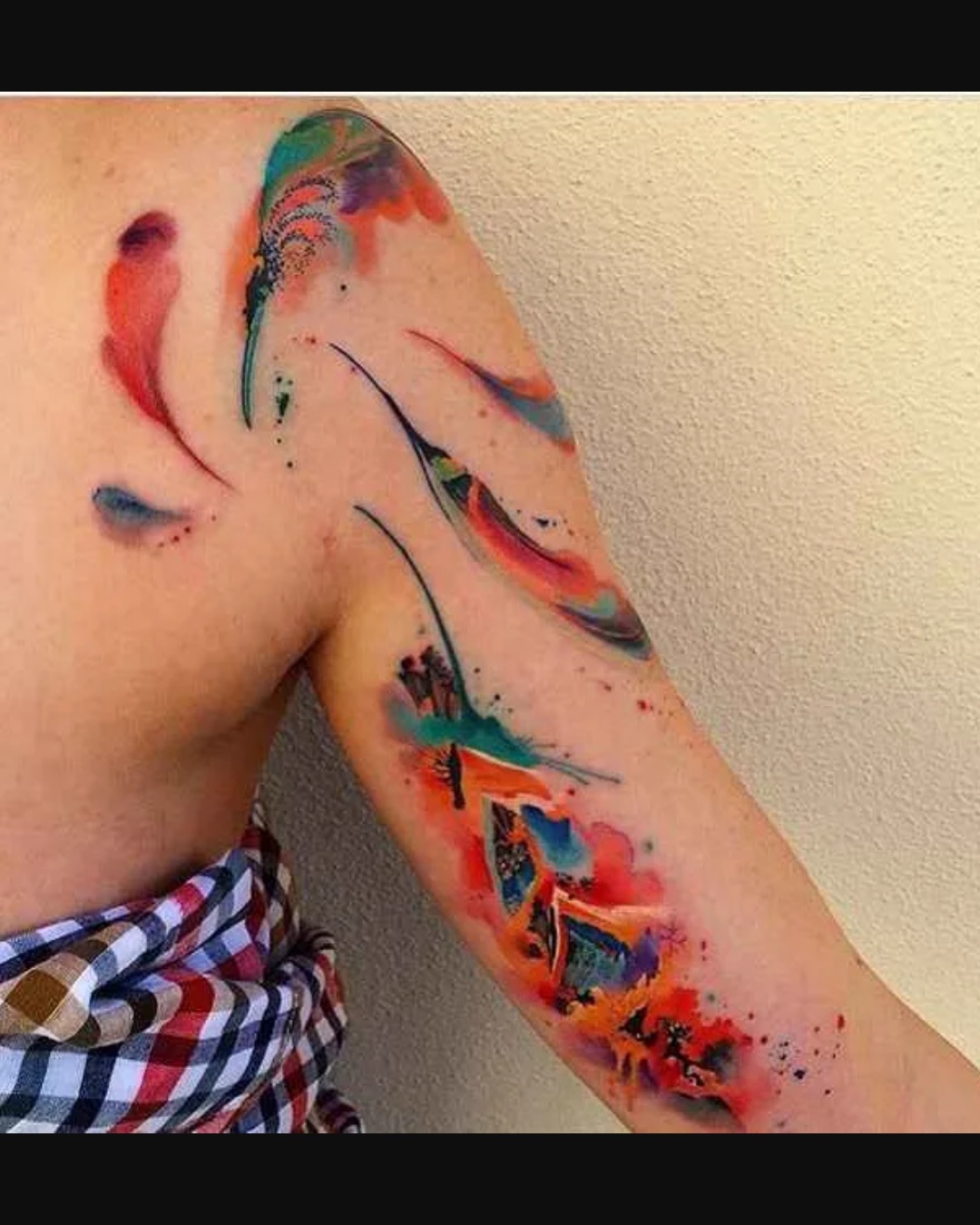
His painting practice adds another point of interest. The official site documents work with fellow artist Radim Kašpárek, showing that experimentation extends beyond tattooing. Moving between media creates different problems: a canvas has its own edges, while a tattoo has to negotiate the contours and motion of a person. Thinking about that difference makes both practices more interesting to follow.
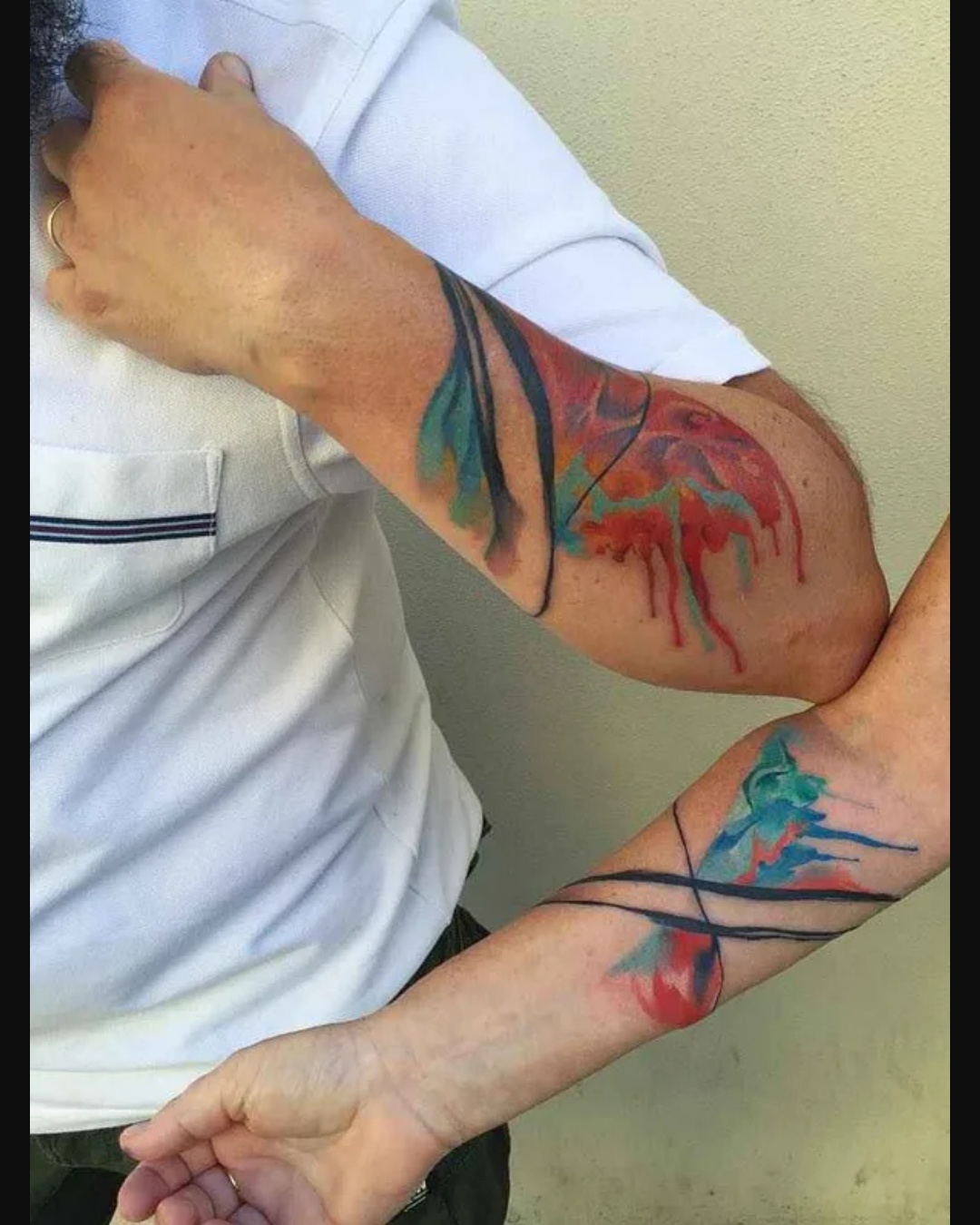
The best approach to Ondrash's work may be to resist naming it too quickly. Spend a moment with the direction of the color and the way a form seems to continue beyond its visible limit. Let a possible image emerge, then allow it to change. A tattoo can be permanent while the experience of looking at it remains unfinished.
Explore more work on Ondrash’s official website.